



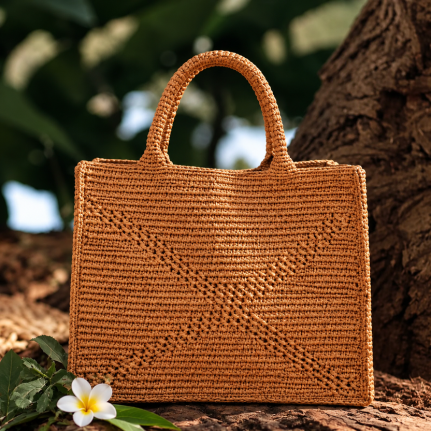
In a world where materials shape our daily lives, two of them often look the same, but are actually poles apart. Raffia and synthetic materials: terms you’ve probably come across, but which, at first glance, seem much closer than they really are.
So how can these two materials, used in fields as varied as fashion, crafts and even industry, share similarities while being fundamentally different?
Origin and composition
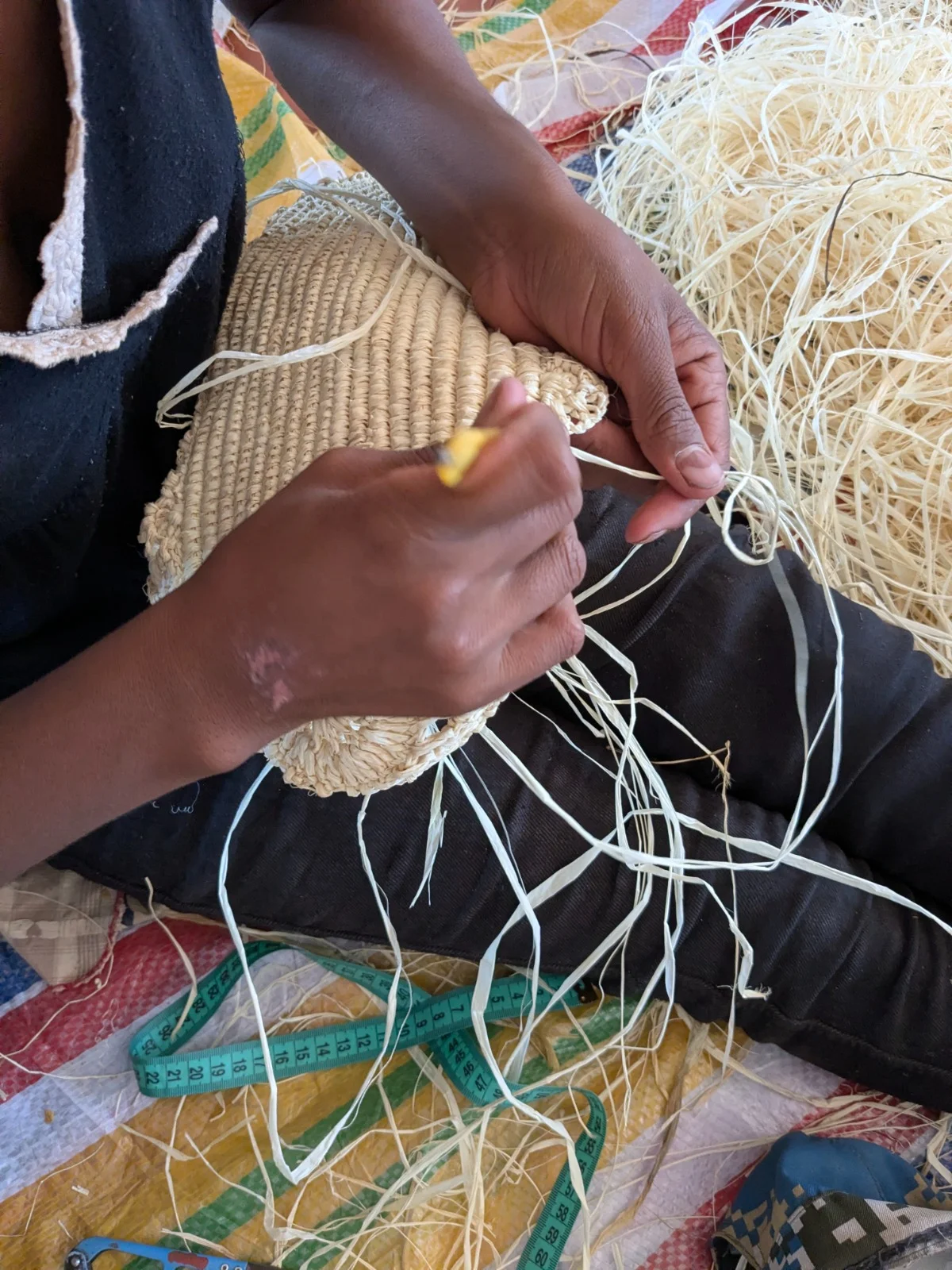
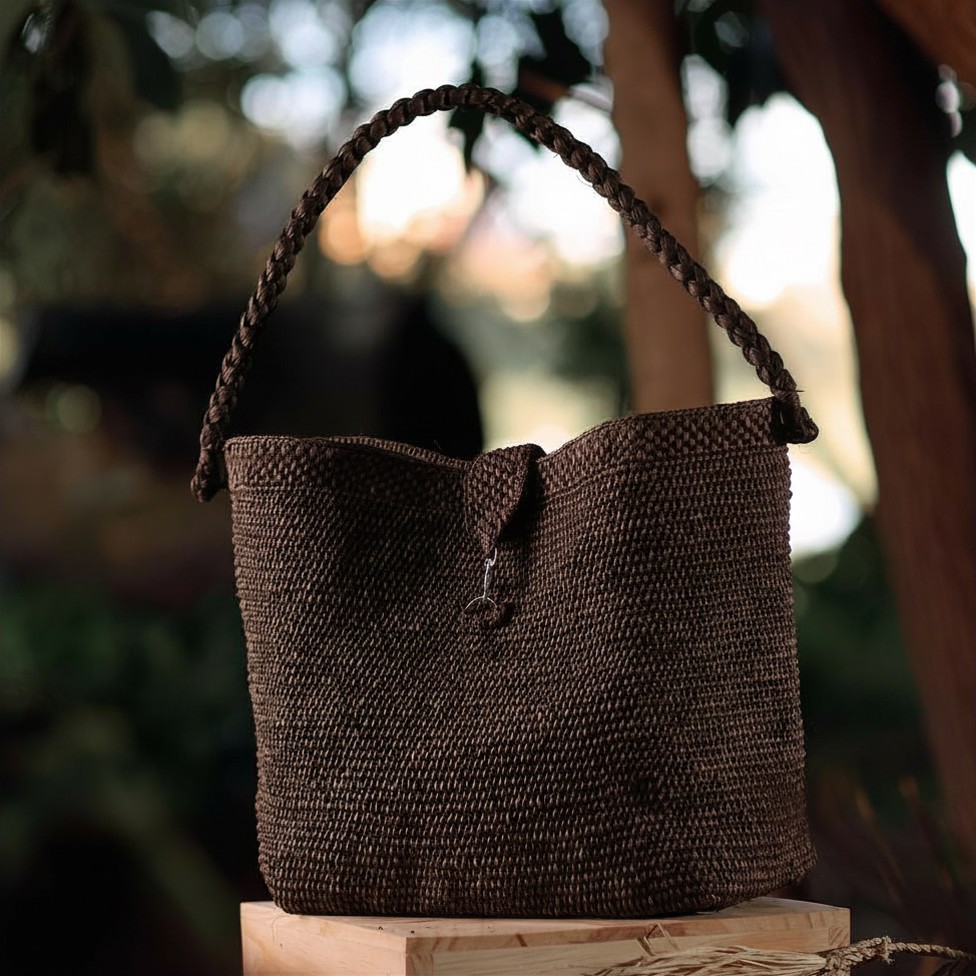
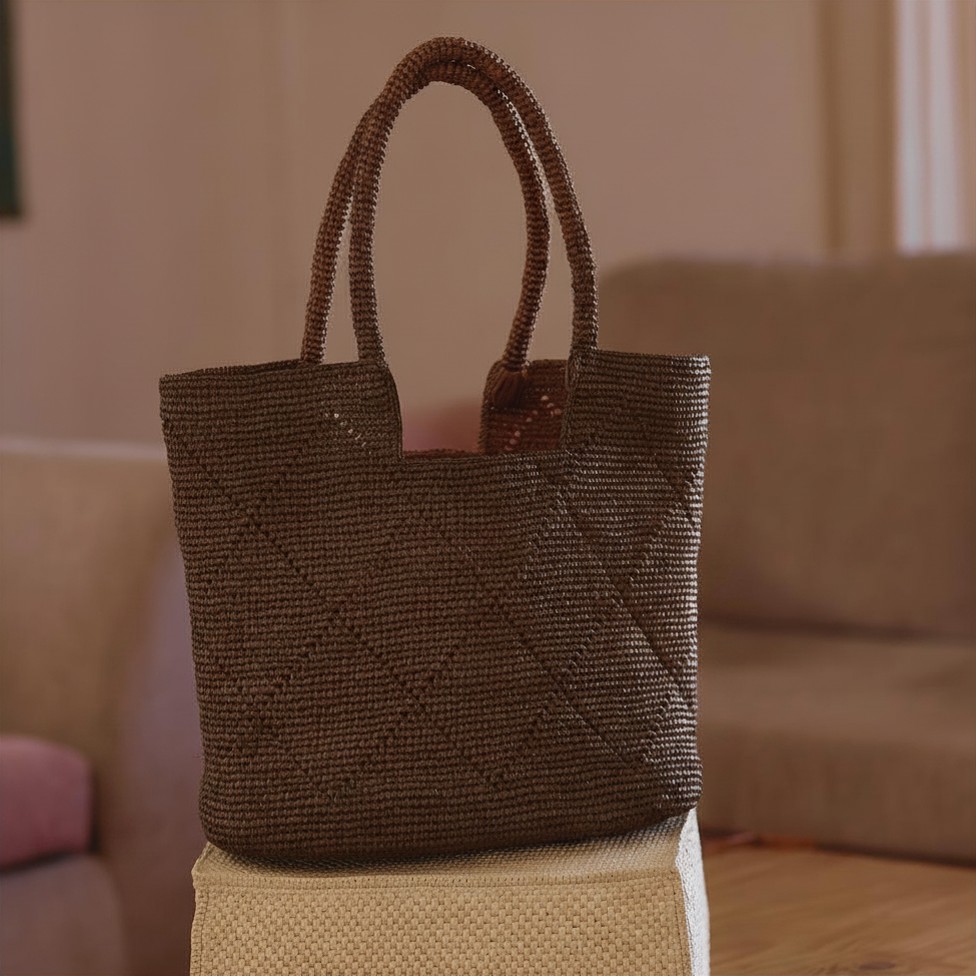
Raffia is a natural fiber derived from the leaves of the raffia palm, a tropical plant native to Madagascar and cultivated in various regions of Africa. Its long, strong and flexible fibers make it an ideal material for handcrafted bags, baskets, pockets, shoulder strap, hats and other accessories.
Synthetic materials, such as polyester, nylon and PVC, are made from chemicals derived from petroleum or natural gas. These materials are created by industrial processes, enabling them to be produced in large quantities at low cost.

Practical applications
Raffia:
It is widely used in the manufacture of craft and decorative products, such as panniers, bags, mats and hats. Its texture and natural appearance make it a preferred choice for ecological and aesthetic products.
Application examples:
- Handicrafts.
- Natural fashion accessories (bags, hats).
- Decorations.
Synthetic materials:
Synthetic materials find a multitude of applications in a variety of sectors: from the textile industry to construction, electronics and automotive. Their low cost and versatility make them a popular choice in modern environments.
Application examples:
- Clothing and accessories.
- Building materials (coatings, insulation).
- Electronic and automotive components.
Environmental impact
Raffia is biodegradable and its production can be more environmentally friendly when carried out in a sustainable manner. On the other hand, palm plantation management and export can have an environmental impact if not properly controlled.
Ecological advantages :
- Natural, biodegradable material.
- Less polluting at end-of-life.
Synthetic materials, while useful for many applications, have a high environmental impact. Their production relies on the extraction of fossil resources, and once discarded, they can take hundreds of years to degrade. However, initiatives to recycle certain materials such as polyester do exist, but their effectiveness remains limited.
Ecological drawbacks :
- Non-biodegradable, polluting for the environment.
- Dependence on the oil and gas industry.


Aesthetics and applications
Raffia is unique. It’s natural, raw and tells a story with every thread. Perfect for handmade creations or ethical accessories, it is often used in fashion and crafts. It embodies the beauty and authenticity of nature.
Synthetic materials, on the other hand, lack that raw authenticity, but can imitate almost anything you can imagine : different textures, bright colors, and high resistances. They are very present in fashion, industry, and even automobiles. Their diversity makes them widely used materials.
The cost
Raffia is an affordable material, but its hand-harvesting and artisanal manufacture make it slightly more expensive than industrial materials. However, this cost is justified by its natural beauty and authenticity.
Conversely, synthetic materials are mass-produced, making them less expensive. Their low cost makes them accessible in many industrial sectors. While raffia is a natural “high-end” product, synthetic materials are the economic heroes of our modern age.
The choice between nature and industry
So which to choose? The natural fiber of raffia, biodegradable and ethical, or the synthetic material, resistant and practical? It all depends on your priorities.
If you’re looking for a natural, authentic and eco-friendly material, raffia is for you. If you need durability, flexibility and strength, synthetic materials are probably more suited to your needs.
These two materials, although very different, each meet specific needs. It’s a choice between the past and the future, between nature and industry. It’s up to you to choose the one that best suits your plans and values.
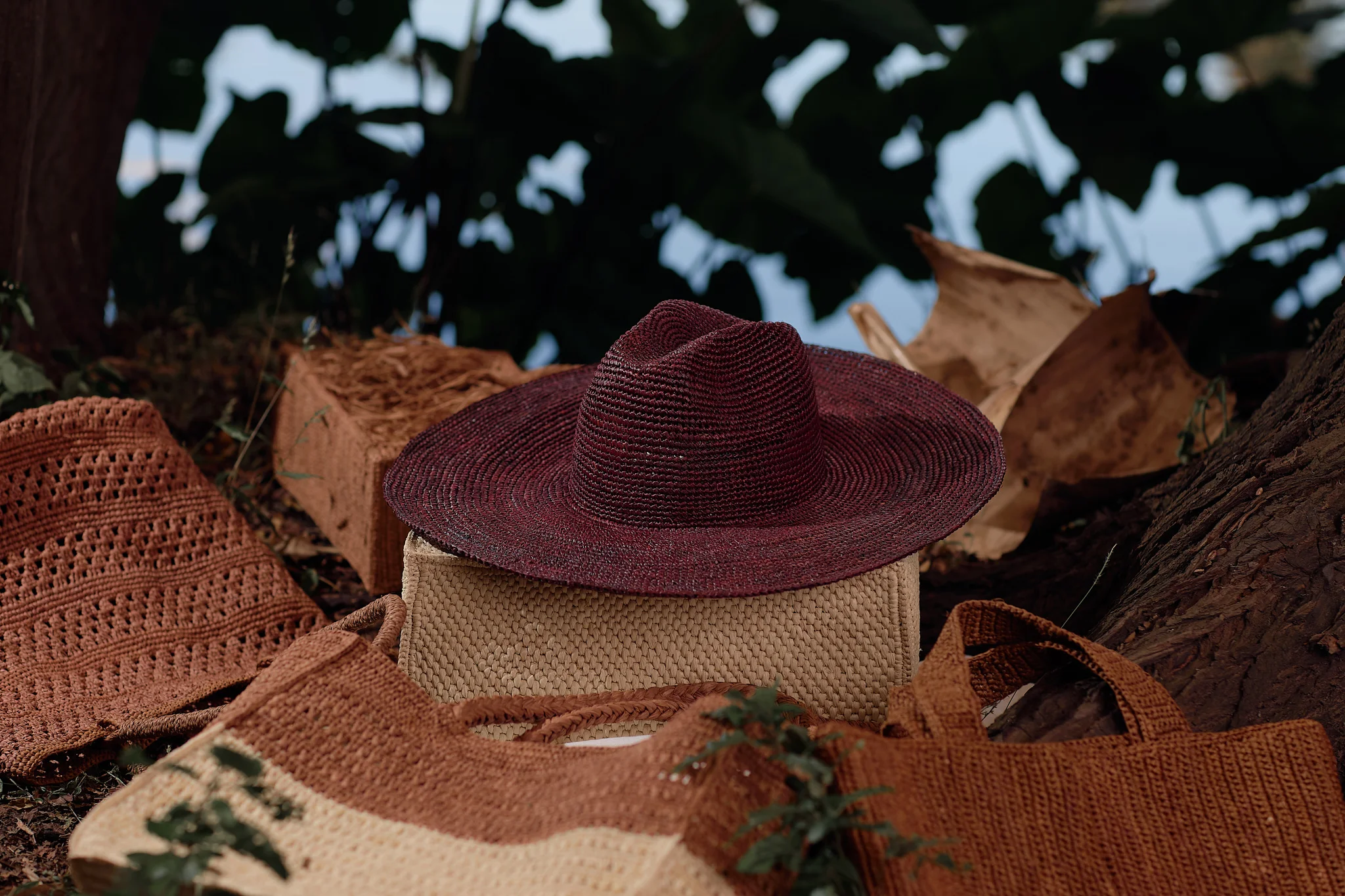
Why is raffia making a strong comeback in international fashion in 2026?
Long associated with local craftsmanship or summer accessories, raffia is…
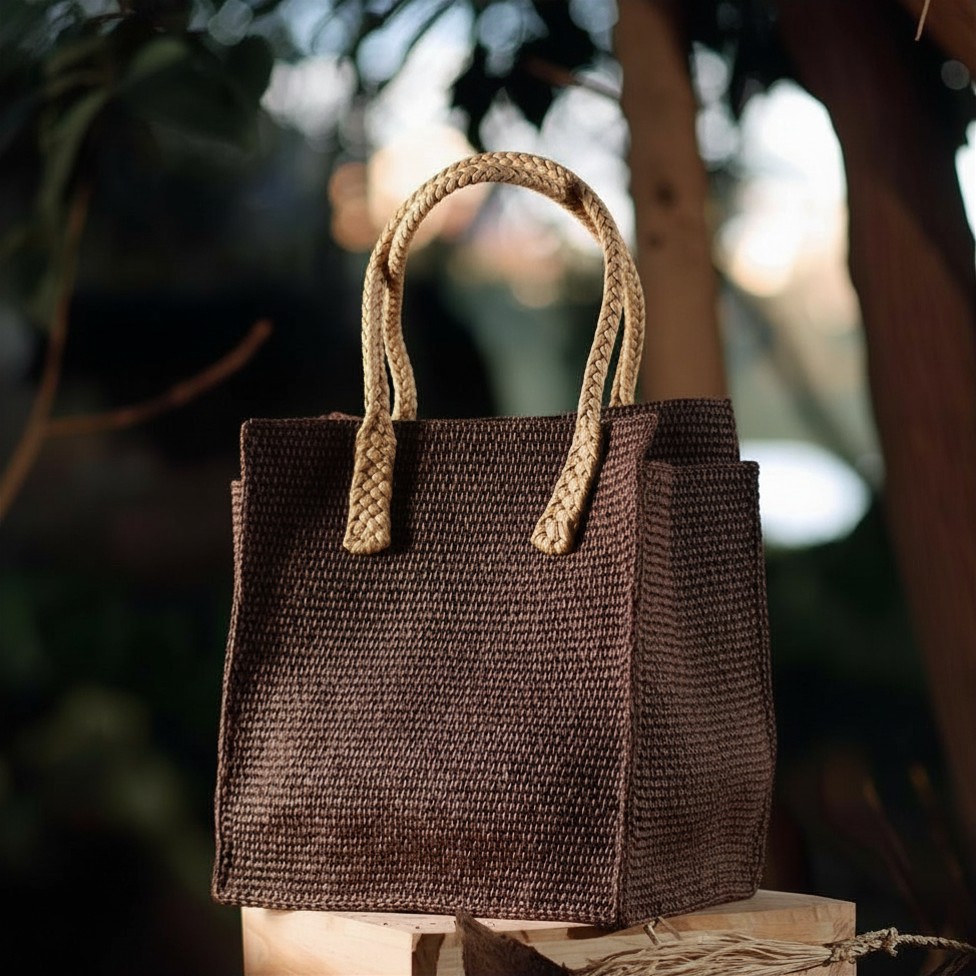
Behind a BLESSED accessory: the hands that create
Before becoming a bag, a basket or an accessory, every…
Handmade or machine-made: what consumers should know
In a world where everything moves fast, where industrial production…