



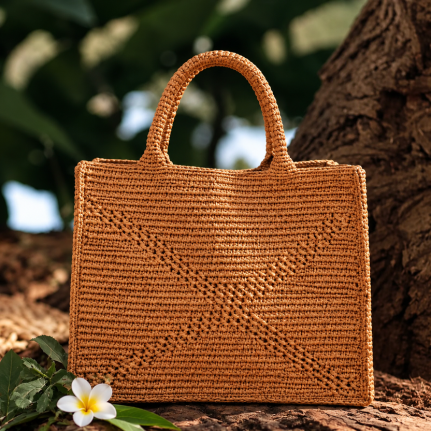
Raffia is a tropical plant that never ceases to amaze, not only for its robust fibersused in basketry, handicrafts and the textile industry, but also for its multiple food uses in certain regions of the world.
Indeed, while we know it mainly for its utilitarian aspect, we are often unaware of its culinary potential. So can raffia be considered a viable food resource ? What uses can it be put to in cooking, and what risks need to be taken into account ? This article offers a detailed perspective on the subject.
Raffia and its varieties
Before discussing the food uses of raffia, it is important to know a little more about this plant.
The raffia belongs to a genus of tropical palms comprising several species, including raphia farinifera and raphia taedigera. This palm is found mainly in Africa, Madagascar and South America, where it is distinguished by its long leaves and strong fibers.
Although it is mainly grown for its fibers, there are also parts of the raffia that can be eaten. These edible parts include the sap, fruits and young shoots, which, under certain conditions, can become interesting ingredients in various recipes.
Food uses of raffia
The food uses of raffia are not as widely known as those relating to its fibers, but they are nevertheless significant in certain cultures. So let’s take a look at the different edible parts of the tree and their possible applications.
Sap and raffia wine
One of the most fascinating uses of raffia lies in the extraction of its sap. This sap, once fermented, is used to produce raffia wine, an alcoholic beverage that is very popular in West Africa and Madagascar. When the trunk of the palm tree is cut, the sap flows out and can be harvested.
Fresh, it is sweet and nutritious, but beware: it ferments rapidly under the effect of natural yeasts.
This fermentation process is what turns sap into wine, a drink traditionally consumed in many regions. An interesting question is whether this rapid fermentation process can be harnessed to produce a drink that is more widely available in the modern world.
Raffia fruits and seeds
Although rarely eaten, raffia fruits have their place in certain cultures where they are cooked and used for their nutritional properties. They are not a staple food, but their potential as a source of energy is not negligible. What’s more, the oil-rich seeds can be processed into butter or edible oil.
These oils are often used in traditional cooking, but they can also be used in beauty products and other industrial applications. This is an area that deserves further exploration, as these seeds could offer an interesting alternative to conventional vegetable oils.
Young raffia shoots
Young raffia shoots are sometimes prepared as vegetables in certain regions. They can be used in dishes similar to bamboo shoots. However, it is important to note that they must be thoroughly cooked before being eaten, as they contain substances that can be toxic if not prepared correctly.
It is therefore important to ensure that they are sufficiently cooked to eliminate any health risk. This raises an important question: how many other tropical plants have similar uses, but require similar precautions to avoid toxicity ?


Precautions and risks associated with consumption
Although it has a number of interesting food uses, it is nevertheless important to take certain precautions when consuming it. These precautions are essential to ensure consumer safety and avoid any risk of toxicity.
- Rapid fermentation of raffia wine : Raffia wine is an alcoholic beverage that ferments rapidly. Although it can provide nutritional benefits, excessive consumption can lead to digestive problems or even alcohol poisoning. Therefore, it is advisable to consume this drink in moderation, especially when it is homemade, where fermentation conditions may vary.
- Risk of fruit toxicity : raffia fruits, although useful in certain crops, sometimes contain indigestible or toxic substances. This risk is particularly present with certain species of raffia, which produce inedible fruit if poorly prepared. It is therefore vital to be familiar with the species and to follow the appropriate cooking methods to avoid any risk.
- How to prepare young shoots : As mentioned above, young raffia shoots can be toxic if they are not cooked properly. Careful preparation is therefore essential to eliminate substances that could cause digestive problems. This highlights the importance of mastering preparation techniques, as with many tropical plants.
To sum up, although raffia is mainly used for its fibers, it has a number of food uses that deserve to be explored. The sap transformed into wine, the young shoots and the fruit can be interesting resources under certain conditions of preparation. However, a thorough knowledge of the species and culinary techniques is needed to avoid risks.

Why is raffia making a strong comeback in international fashion in 2026?
Long associated with local craftsmanship or summer accessories, raffia is…
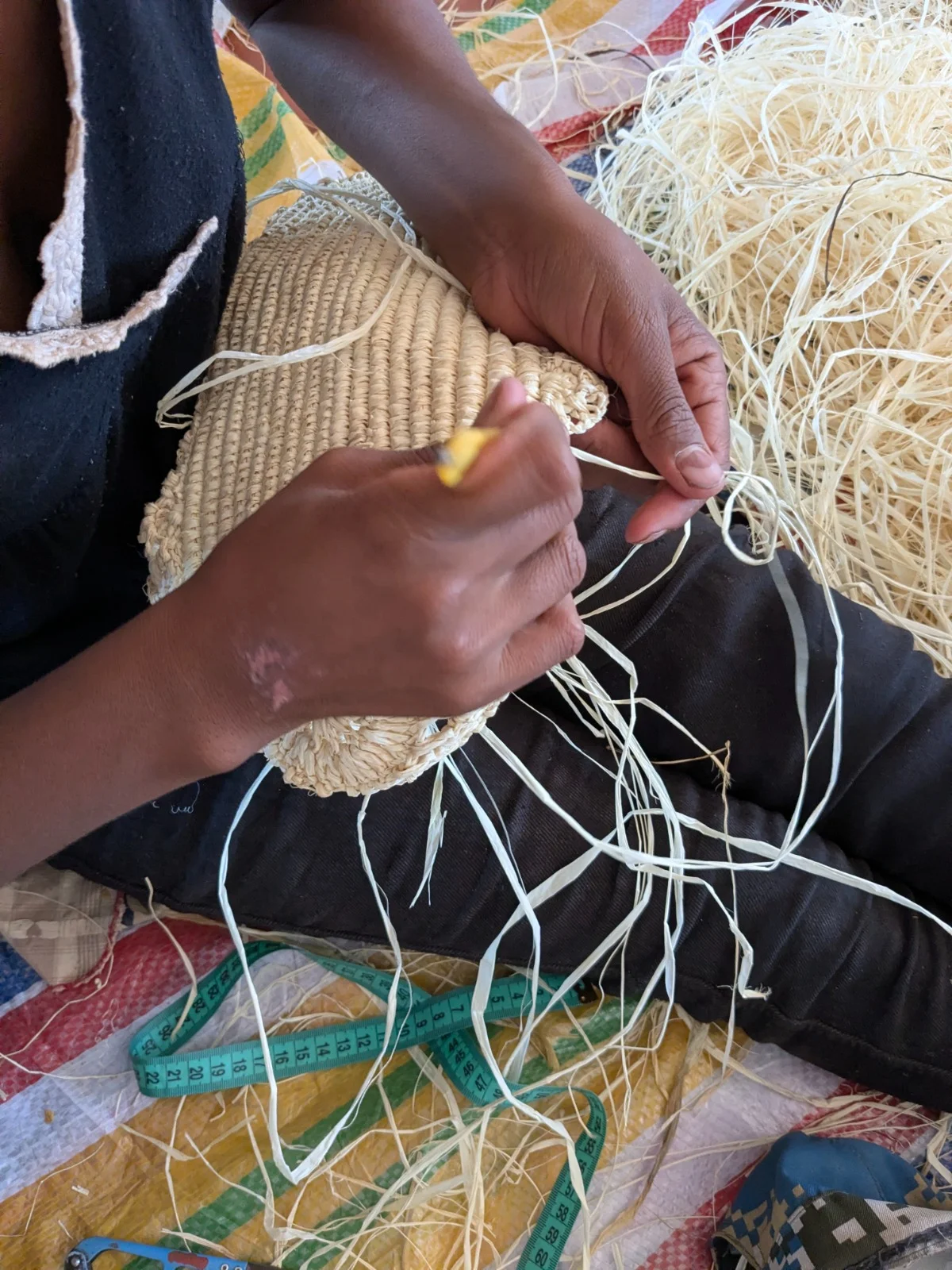
Behind a BLESSED accessory: the hands that create
Before becoming a bag, a basket or an accessory, every…

Handmade or machine-made: what consumers should know
In a world where everything moves fast, where industrial production…