


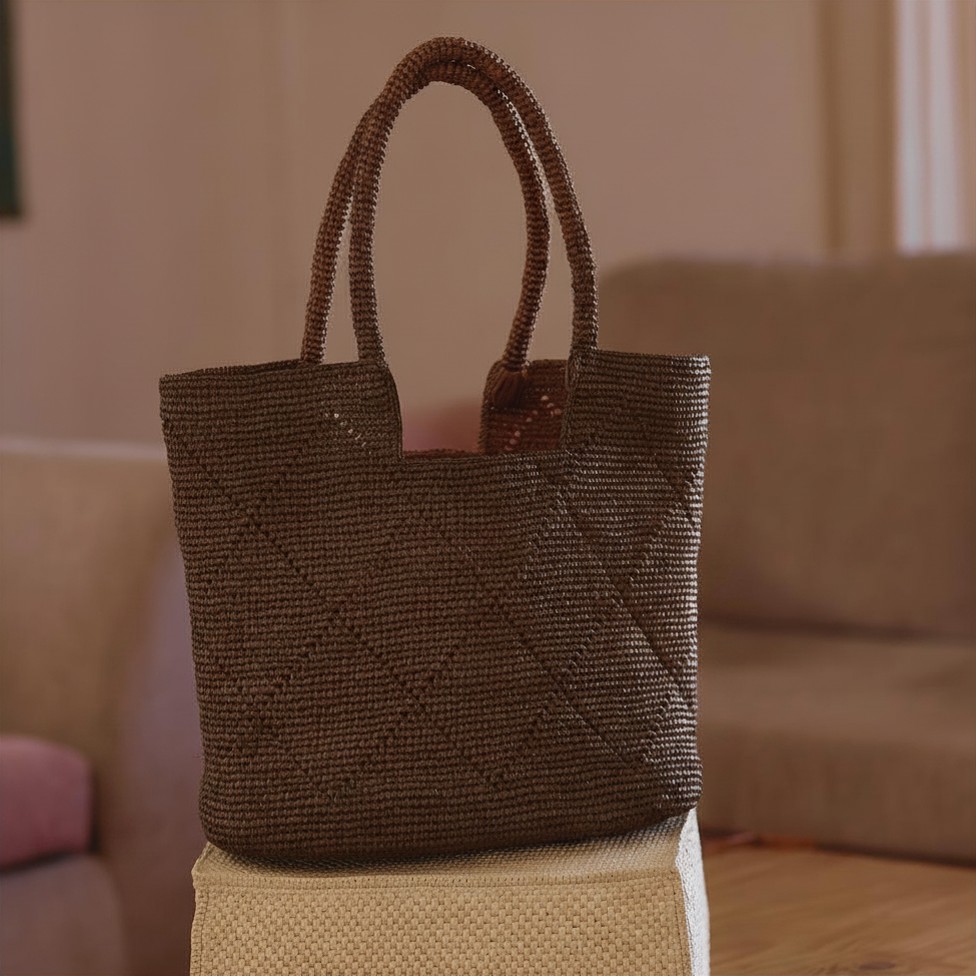
Raffia, a plant fiber originating from Madagascar, is becoming increasingly popular in the world of decoration and fashion. Appreciated for its natural look, suppleness and durability, it has become a symbol of the return to raw materials and craftsmanship. But behind this mainstream appeal, two realities intersect: on the one hand, sincere fair trade approaches; on the other, marketing strategies that sometimes flirt dangerously with greenwashing. How do we distinguish one from the other ? A behind-the-scenes look at a rapidly changing market.
A natural fiber at the heart of Malagasy craftsmanship
Raffia is extracted from the leaves of the Raphia farinifera palm tree, which is mainly grown in Madagascar. Once the fibers have been extracted, they are dried, dyed naturally or artificially, then braided, crocheted or woven.
This technique, which is often passed down from generation to generation, represents a rich cultural heritage and strong craft skills.
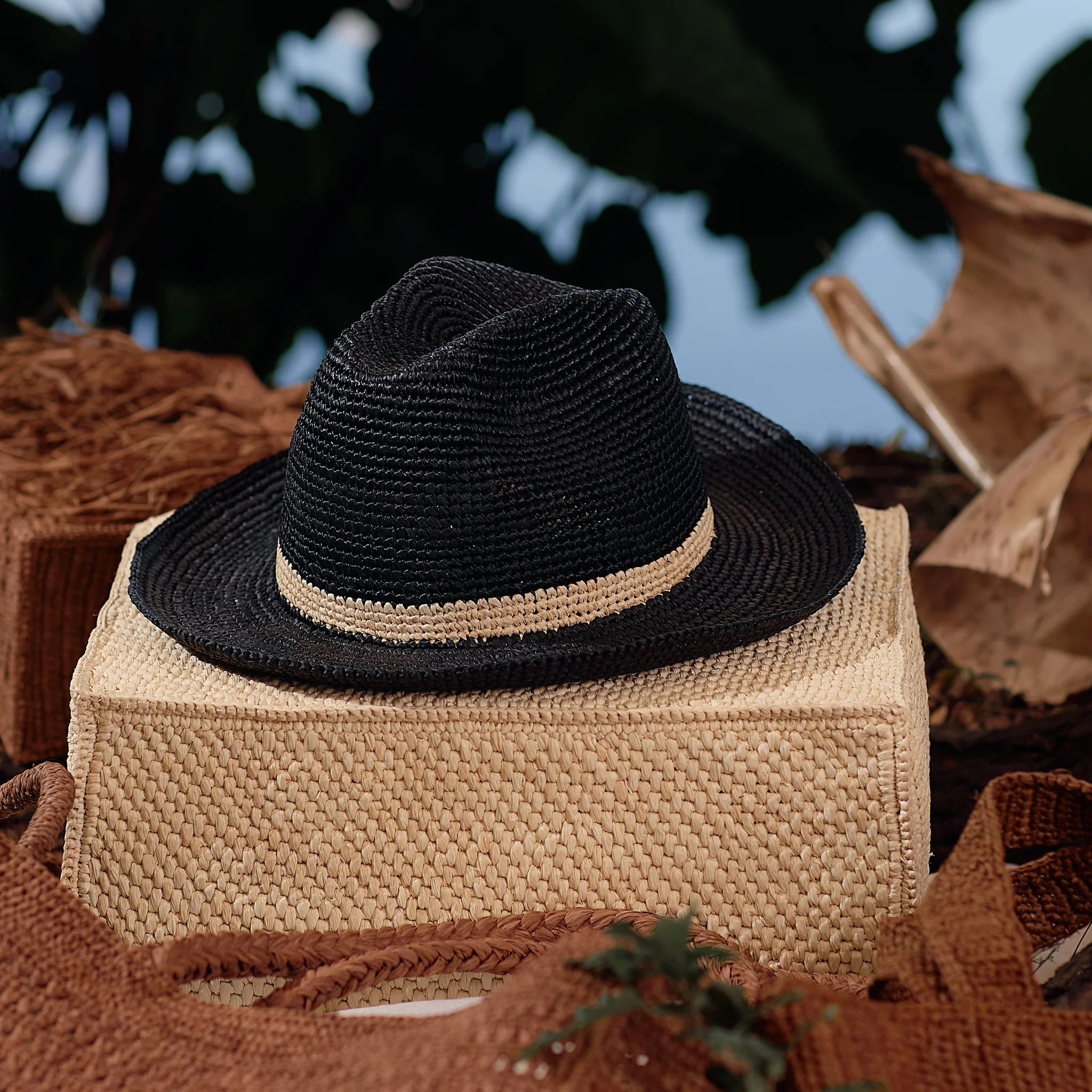
This material is particularly used in the creation of bags, hats, rugs, lighting or even decorative elements. Its raw, warm appearance makes it a material of choice in today’s decorating trends, particularly bohemian, ethical and natural atmospheres.
Fair trade: concrete promises
In its most virtuous form, trade in raffia is based on :
- Fair pay for craftspeople.
- Dignified working conditions.
- Promotion of local production.
- And a commercial relationship based on transparency.
In Madagascar, a number of local initiatives are emerging to restore raffia to its former glory, far removed from industrial logic.
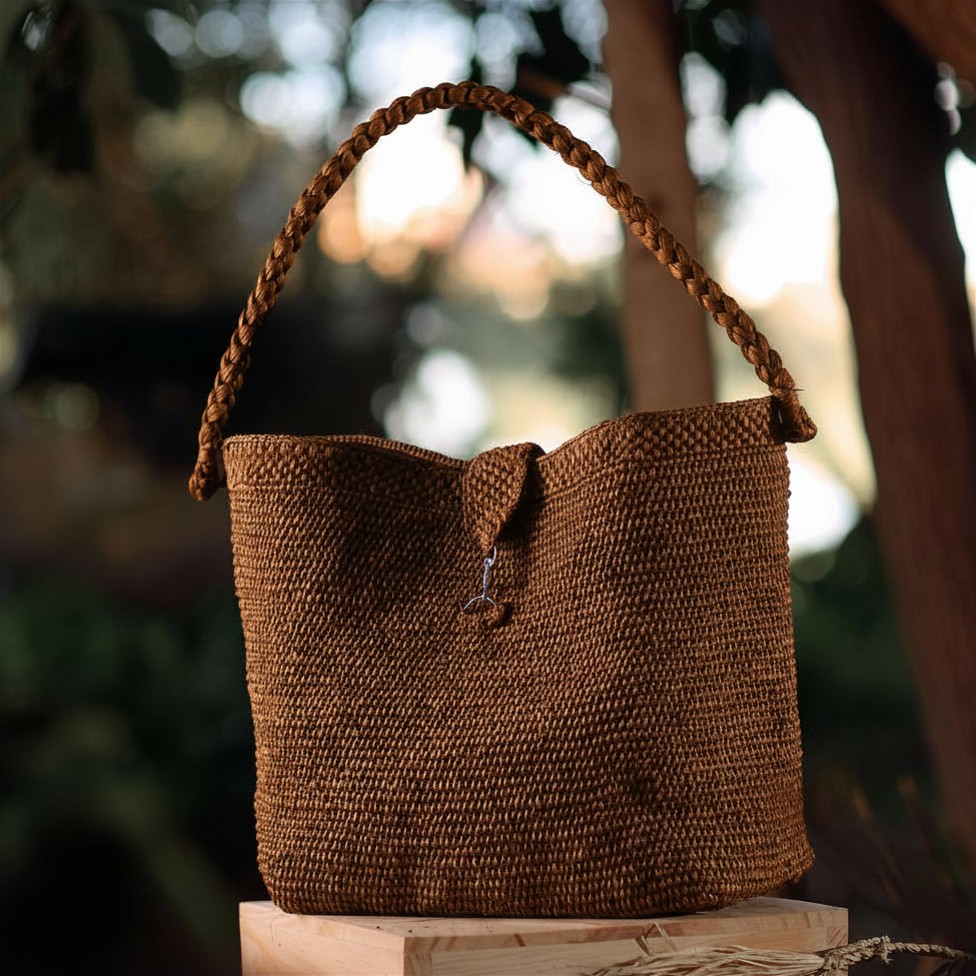
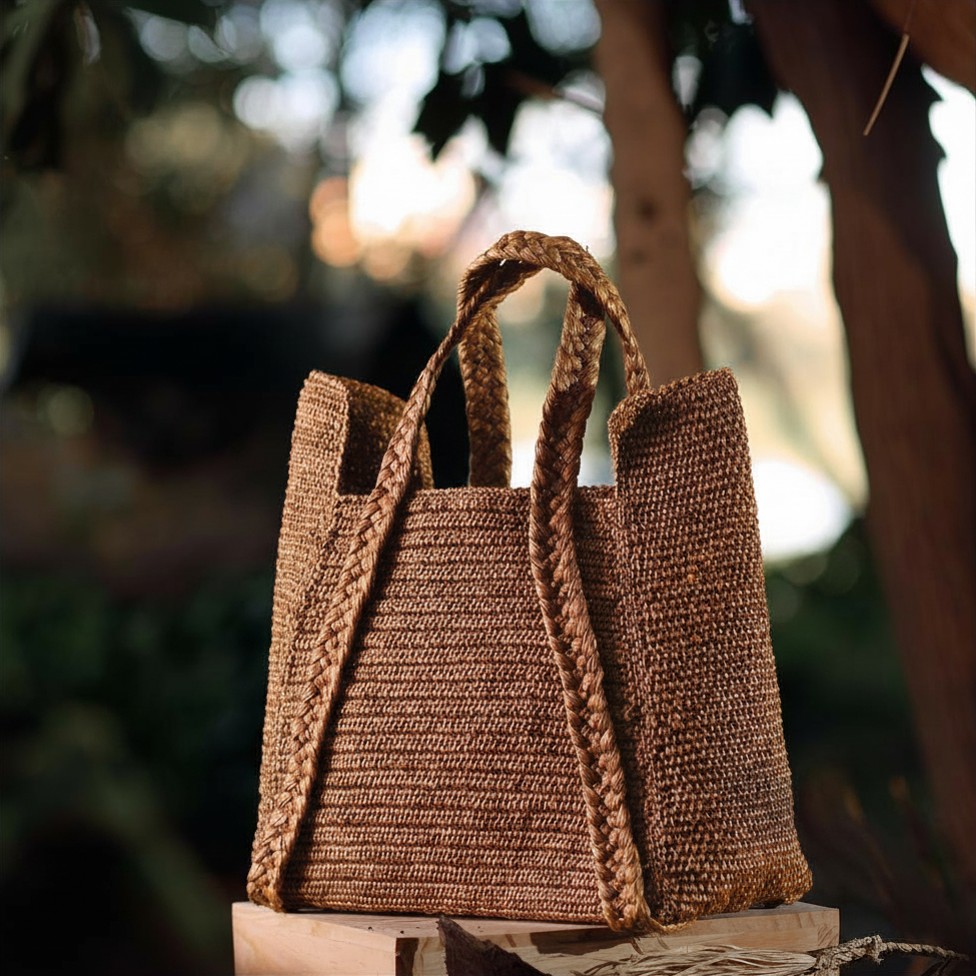
This is the case of BLESSED, a brand that works exclusively with Malagasy craftswomen to create hand-hooked raffia bags and pochettes.
Their approach combines traditional know-how, responsible production, and openness to both local and international customers, from individuals to specialist shops.
A concrete example of fair trade where each piece tells a story, far from the anonymous standards of fast decorating.


Greenwashing: when raffia becomes a mere marketing argument
Unfortunately, not all brands that talk about “natural graphics” or “handcrafted products” play the transparency card. Greenwashing intrudes when :
- Products are mass-produced in factories with no real traceability.
- Artisans are only mentioned as a selling point.
- Or when the term “natural” is used without any real certification or ethical commitment.
Some major retailers are capitalising on the natural trend to sell items made from synthetic raffia or mixed with plastic fibres, while promoting an “eco-friendly” storytelling that is devoid of substance.
How can you spot a responsible product ?
To avoid the traps of greenwashing, there are a few reflexes to adopt:
- Find out where it comes from : does the raffia come from Madagascar or elsewhere ?
- Know the manufacturing conditions : was it made by a craftsman? A cooperative ?
- Check the brand’s commitments : certifications, labels, transparent mentions.
Favour short circuits or committed brands, such as those that work directly with local craftspeople.
Raffia, a blend of tradition, ethics and modernity
More than just a decorative trend, raffia can be the symbol of a conscious choice: consume less, but better. Choosing a handmade raffia object also means supporting local communities, preserving ancestral know-how, and affirming a slower, more natural way of life that’s connected to people.
But it also requires care. Because in a market where the word ‘natural’ is sometimes stripped of its meaning, it’s up to us, the consumers, to ask the right questions and to value the real stories behind the objects.
From raw raffia to finished bag: inside a malagasy artisan workshop
Behind every raffia bag lies a story. A story of…
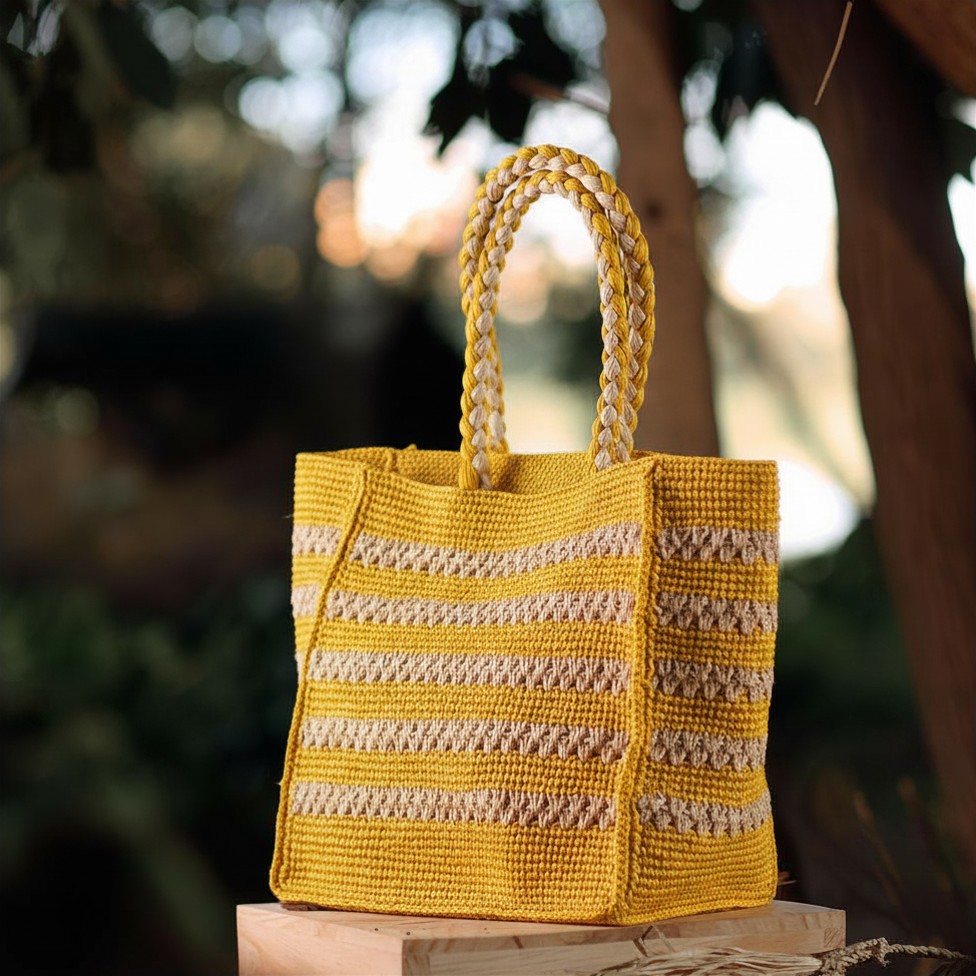
From raw material to accessory: the artisanal creation journey
Before becoming a bag, hat, or clutch, every handmade accessory…
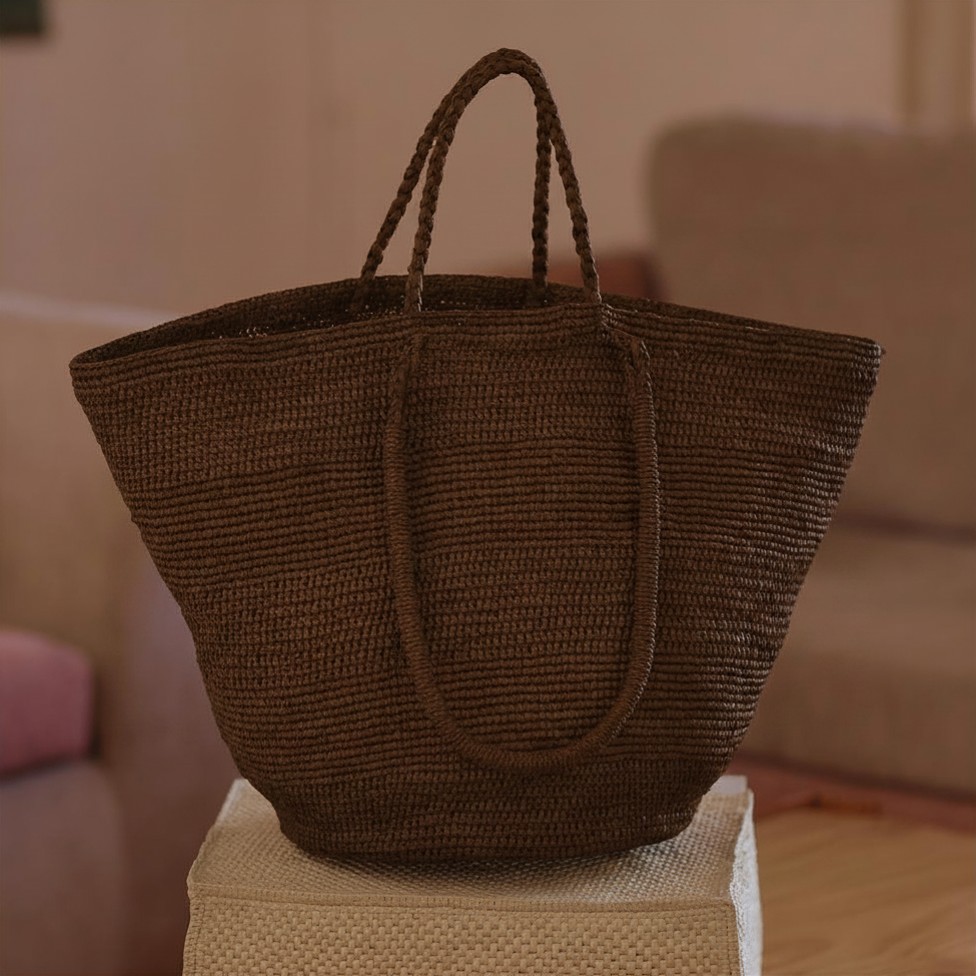
How to protect your raffia bags and accessories in the rain?
At BLESSED, we create much more than just bags: our…