


Raffia is a highly prized natural (or sometimes synthetic) material for handcrafted creations: paniers, flowers, hanging baskets, bohemian packaging… But when it’s too dry, brittle or difficult to handle, it can turn a relaxing activity into a real headache.
Fortunately, there are simple, effective and above all gentle methods for restoring it to its original suppleness, without damaging it. To avoid struggling with temperamental fibers, here are three tried-and-tested techniques suitable for all situations: large quantities, quick touch-ups or delicate fibers. It’s up to you to choose the one that best suits your needs!
Method n°1 : Soaking in luke-warm water
This is the classic method, ideal if you’re working with large quantities of raffia or if your fibers are particularly dry and brittle. It requires a little time, but is very effective at deeply regenerating the material.
What you need: a basin, warm to hot water (between 40 and 50°C), and a terry towel.
Fill the basin with water at the right temperature. Then gently immerse the raffia strands in the water, as you would immerse yourself in a bath after a long day: unhurriedly, carefully. Let them soak for between15 and 30 minutes, keeping an eye on how their suppleness develops.
Once this time has elapsed, gently drain them – above all, without twisting them, as the fibers are fragile at this stage. Then wrap them in a towel to absorb excess moisture.
Tip: never leave your raffia to soak for more than an hour, as this may weaken it or cause mildew.
Method No. 2 : Steaming – For those in a hurry, but with a delicate touch
If you’re short on time but insist on gentleness, this second method should appeal to you. It’s perfect for small quantities or for a quick pick-me-up when inspiration can’t wait. It’s also great if you don’t want to fully wet the raffia.
Equipment needed : a saucepan, a strainer or steam basket, and protective gloves.
Heat a base of water in your saucepan. Place the colander over it without the raffia touching the water, then place the strands in the steam for approximately 5 to 10 minutes. Leave the lid slightly ajar to avoid excessive condensation. Then handle the fibers with gloves or tongs, as they will be hot. In a few minutes, you’ll see the raffia become softer and easier to work with.
Tip : this method is a great plan B when you’re in the middle of a creative spree and your raffia is acting up.
Method n°3: Spray and rest – The slow and gentle method
For those who like to take their time or handle very fine fibers, the following method is ideal. The most respectful of fine fibers, this method requires a little patience, but guarantees uniform, gentle softening, without immersion.
What you need: a spray bottle filled with water, and a plastic bag or airtight box.
Spray the raffia strands lightly with water, taking care not to get them too wet. Then place them in a closed plastic bag or airtight box and let them stand for 2 to 3 hours.
When you open them, they’ll have regained a lovely suppleness, ready for use.
The +:this method respects the qualities of natural raffia particularly well. Zero stress, zero immersion, and optimal results.
Natural or synthetic: what’s the difference in treatment ?
Not all fibers react in the same way! So it’s useful to distinguish according to their origin :
| Type of raffia | Features | Recommended tip |
| Natural | More ecological, but fragile | Soak or spray |
| Synthetic | More resistant, less temperamental | Steam is often enough |
Natural raffia, often more environmentally-friendly and more fragile, prefers gentle methods such as soaking or steaming. Synthetic raffia, on the other hand, is more resistant, withstands heat better and softens easily when steamed.


Beware of common mistakes
The microwave ? Absolutely not for raffia, whether natural or synthetic.
Similarly, avoid boiling water and direct exposure to sunlight, especially for synthetic fibers: they may melt or warp.
What’s next? Storage and drying tips
Once your sprigs have softened to your liking, it’s important to store them properly to prevent them from drying out too quickly.
- Store them in a plastic bag, slightly dampened if you’re not using them immediately. This will help them retain their pleasant texture for longer.
- To dry, spread the strands flat on a clean towel in the shade, avoiding any rough surfaces that might damage them.
What you can create when you’re ready
Once you’ve got the flexible raffia in your hands, it’s time to get creative:
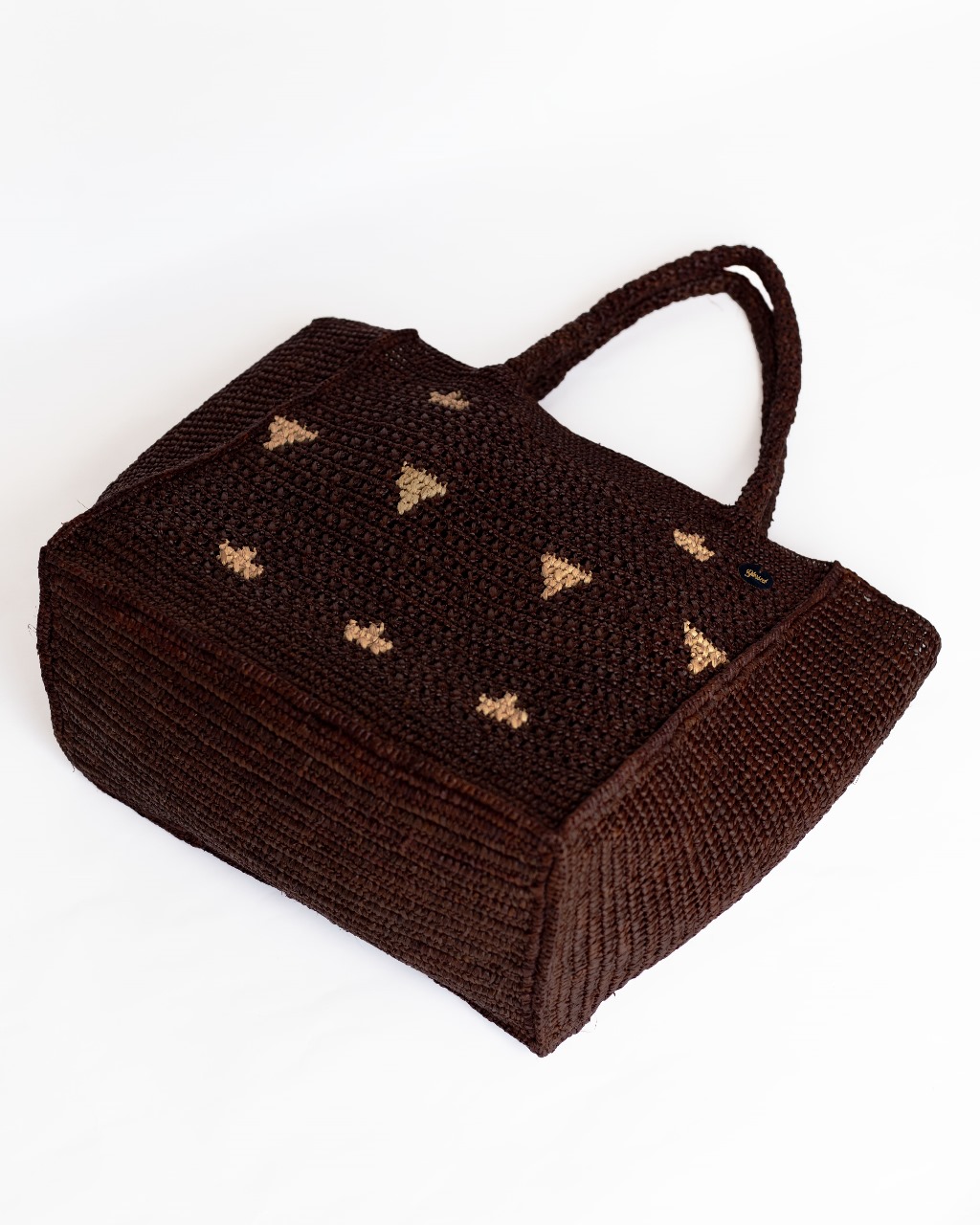
- Bag made from raffia
- Baskets and braided mats
- Bohemian gift-wrapping
- Handcrafted jewelry
- Wall decorations, hanging baskets, poetic mobiles…
Whether you’re a DIY enthusiast or passionate craftsman, well-prepared raffia is a true ally of creativity !


The challenges facing the raffia sector in Madagascar: how can they be overcome?
How to overcome the challenges facing the raffia sector in…

Raffia and sisal : how do these two fibers complement each other in design ?
Contemporary design is increasingly favouring natural materials. Among the most…

7 Ways to Use a Sisal Clutch in Your Daily Life
In a daily life where natural materials are becoming central…