


Raffia, with its raw charm and natural versatility, is an increasingly popular material in many fields: decoration, crafts, gardening, fashion and much more.
But with so many varieties on the market, how do you choose the right raffia for the job ?
This article will help you to understand the different types of raffia, to make an informed choice according to your needs, and to identify the criteria that will make all the difference.
Understanding the different types of raffia
Before making a purchase, it’s important to understand the main types of raffia. This will help you to better visualize the possible uses, and avoid mistakes in your choice.
Natural raffia
Made from the leaves of the raffia palm tree, this is the most authentic version. This raffia is biodegradable, supple and often slightly irregular, but that’s what makes it so charming. It’s ideal for eco-responsible, handcrafted or decorative projects.
Synthetic raffia
Made from plastics, it mimics natural raffia but offers greater resistance to moisture and tearing. It is often used for packaging, decorative ribbons or outdoor uses.
Madagascar raffia
Considered one of the best in the world, this raffia is supple, fine, strong and of exceptional quality. It is widely used in high-end crafts, fashion, and hand-woven items.
Now that the main varieties are well identified, let’s see how to make the right choice according to the field of use.
Adapting your choice of raffia to your project
You can’t choose raffia at random. Each use calls for specific properties. So how do you find your way around?
For interior decoration
If you’re looking for a warm, natural ambience, natural raffia is your best ally. It blends easily into bohemian or rustic interiors: it can dress everyday objects, hanging baskets, vases, or be used to create original accessories like trivets or wall baskets.
Here, the flexibility and lightness of the fiber are important. Prefer long fibers to avoid visible joints.
For gardening
Raw natural raffia works wonders in the garden. It’s soft, biodegradable and gentle on fragile stems. Whether you’re tying tomato plants, guiding young trees or creating simple trellises, it does its job while respecting nature.
It’s an excellent alternative to plastic twine, especially if you’re going green.
For creative hobbies
DIY projects, scrapbooking or manual activities with children call for easy-to-handle raffia. In this case, opt for fine, often colored raffia, which is both aesthetically pleasing and easy to handle.
It allows you to give free rein to your creativity: decorating a photo frame, creating a garland, or embellishing a birthday card all become child’s play.
For gift wrapping
Want to give your gift-wrapping a handmade or natural touch? Raffia is a great alternative to traditional ribbons. Natural raffia lends a discreet elegance, while synthetic raffia is stronger for transporting packages or outdoor decorations.
A simple strand of raffia tied around kraft paper is all it takes to transform a simple package into an elegant creation.

For craft and fashion
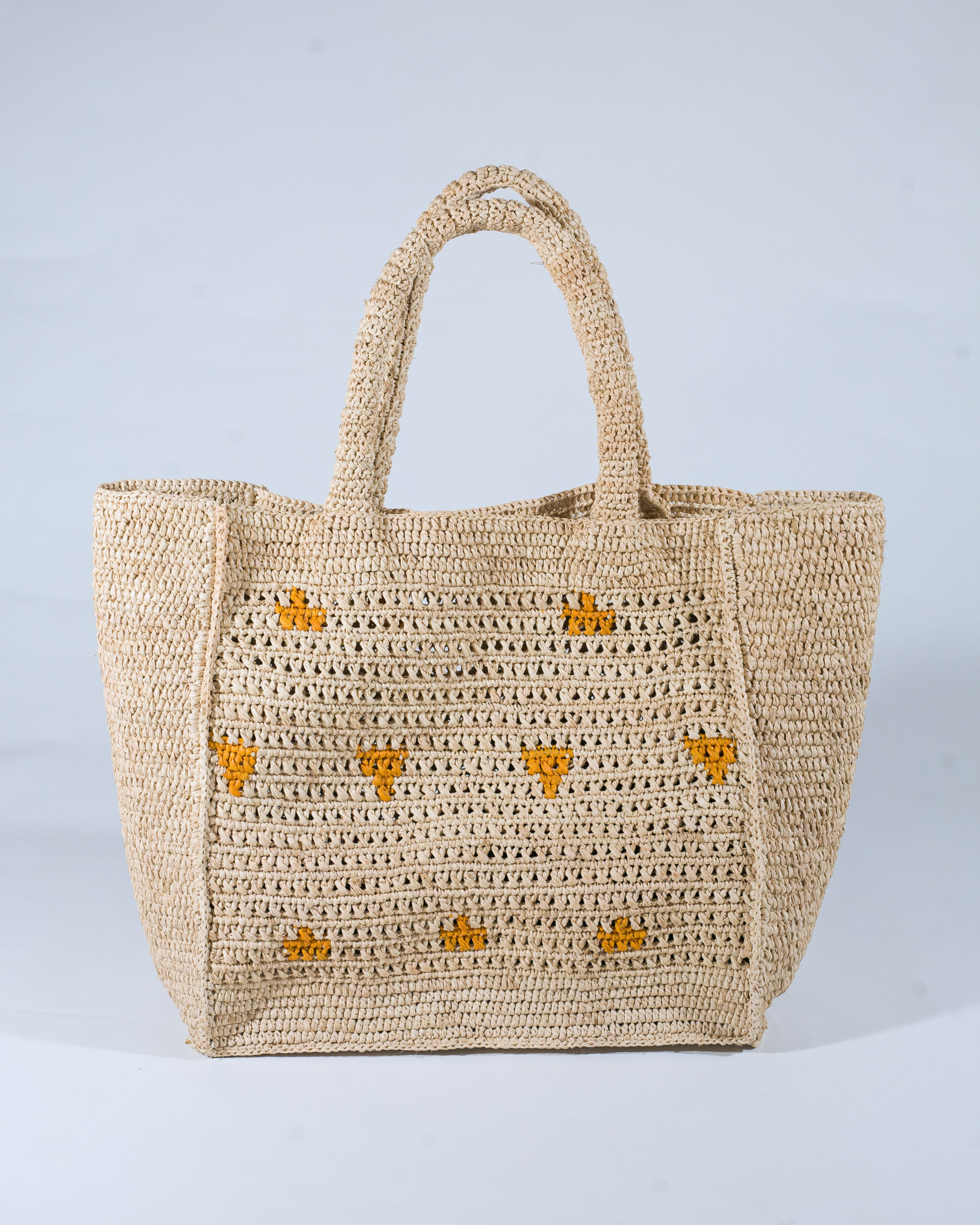
This is where raffia reveals all its nobility. Madagascar raffia, with its remarkable finesse, is the favorite material of craftsmen and designers: hand-woven bags, summer hats, bohemian jewelry or lightweight sandals. It allows you to work precise shapes while remaining flexible and robust.
When the quality of the finished product is important, it’s best to invest in a certified, well-treated and consistent fiber of origin.
Criteria to check before buying
Now that the purpose is clear, a few practical points will help you choose a suitable, good-quality raffia.
First, its flexibility. It facilitates braiding and knotting, especially for manual or decorative creations. Then there’s the thickness of the fiber: a fine fiber lends itself better to meticulous work, while a thicker fiber is ideal for fasteners or solid objects.
The length of the strands is another criterion not to be overlooked: it allows you to work fluidly without having to connect the ends too often. As for color, it all depends on the style you’re looking for: raw for naturalness, tinted for a more modern look.
Finally, pay attention to provenance. A raffia of Madagascar origin is often a guarantee of quality, particularly appreciated in demanding craft fields.
Where to buy good raffia ?
Depending on the quantity and quality you’re looking for, there are several options. For occasional or small-quantity purchases ,creative hobby shops, do-it-yourself stores or specialized online platforms are sufficient.
If you’re looking for high-end raffia or in large quantities, it’s best to turn to specialist suppliers such as BLESSED, or even directly to producing artisans or cooperatives, particularly in Madagascar.
Tips for storing raffia
Once purchased, raffia needs to be stored properly to retain its suppleness and color. Avoid humidity, excessive heat or direct light. Store it in a dry, dust-free place, in a cloth bag or cardboard box. And if you find the fiber a little dry when you’re ready to use it, a light spray of water is all it takes to make it more supple and pleasant to work with.


The challenges facing the raffia sector in Madagascar: how can they be overcome?
How to overcome the challenges facing the raffia sector in…

Raffia and sisal : how do these two fibers complement each other in design ?
Contemporary design is increasingly favouring natural materials. Among the most…

7 Ways to Use a Sisal Clutch in Your Daily Life
In a daily life where natural materials are becoming central…