


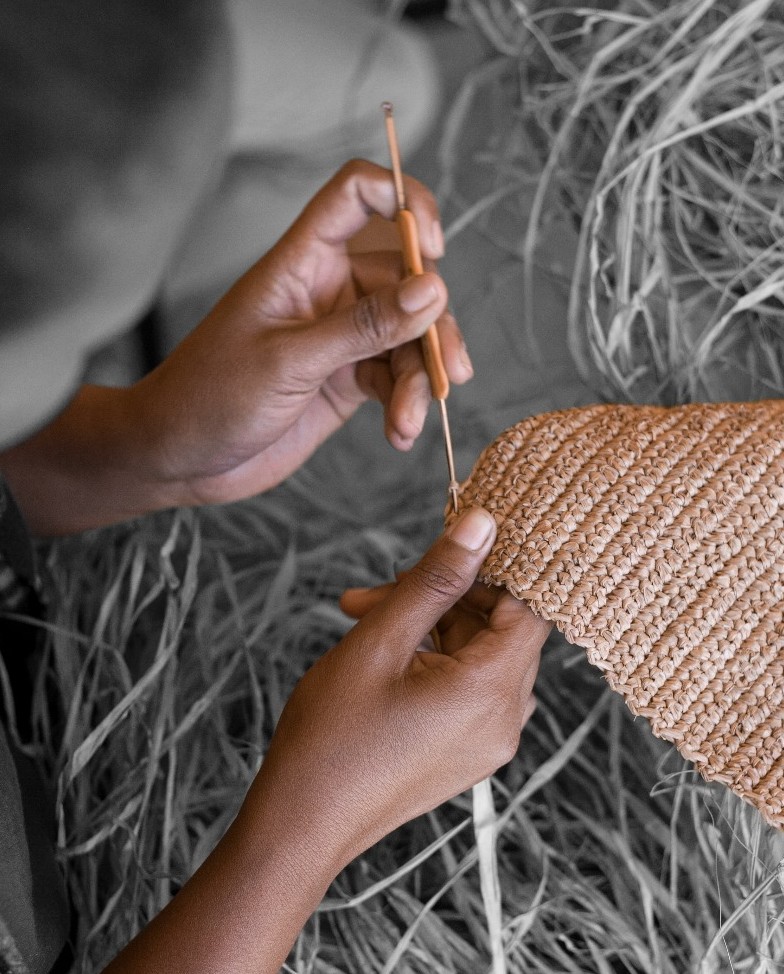
Raffia, nicknamed Madagascar’s “woven gold“, has been a mainstay of Malagasy craftsmanship for centuries. Extracted from the leaves of the raffia palm, this sturdy, biodegradable natural fiber has long been used to make baskets, hats, mats and decorative objects. These creations, both functional and aesthetic, bear witness to the ancestral know-how and cultural identity of local craftsmen.
Over time, raffia has become a national symbol, recognized for its quality and authenticity. However, as in many craft sectors, younger generations have often been reluctant to perpetuate this craft, perceived as unprofitable or old-fashioned.
A revival driven by young craftswomen
Today, a new generation of Madagascar designers is breathing new life into raffia, infusing modernity and innovation while respecting traditions. Their bold approach transforms this craft into a dynamic and promising sector.
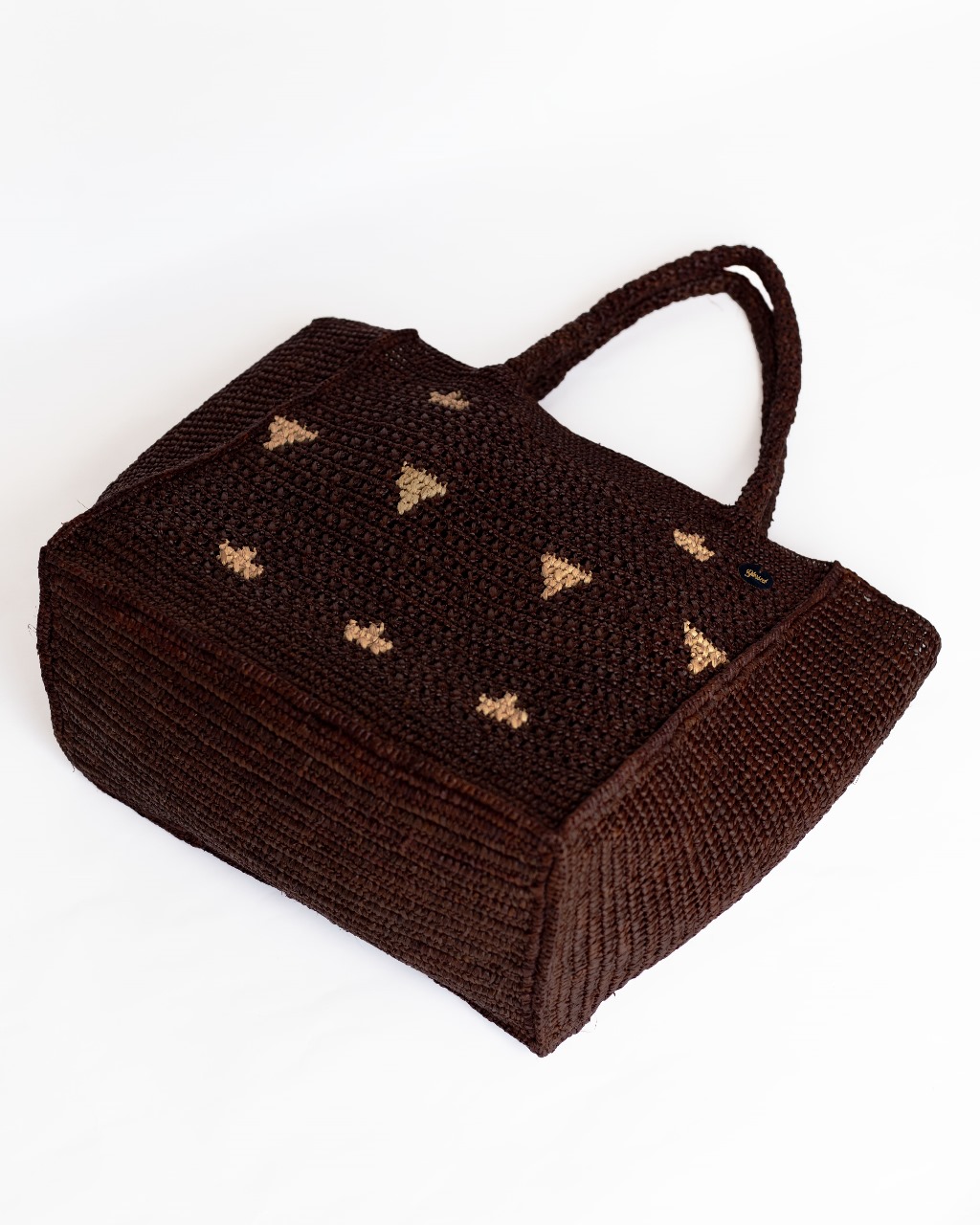
What’s more, these young craftswomen incorporate contemporary techniques and global influences to reinvent raffia products. For example, bags with clean lines, fashion accessories with modern, geometric patterns, and luxurious interior design elements attract a cosmopolitan clientele. Some local brands, such as BLESSED, even export their creations to Europe, North America, Asia… all over the world
Raffia at the service of sustainable development
In a world where sustainability has become a priority, BLESSED is establishing itself as a brand of choice. Young Madagascar craftswomen are aligning themselves with this vision by adopting environmentally-friendly practices.

Challenges and opportunities for young craftswomen
Despite this revival, many challenges remain for raffia artisans.
Access to the international market
Malagasy raffia products are highly prized abroad, but exporting them remains complex due to high transport costs, customs taxes and the lack of distribution networks. Initiatives such as online platforms or international partnerships could facilitate their access to these markets.
Support and training
To perpetuate this craft, it is essential to train young people in traditional techniques while also offering them skills in marketing, design and management. Fortunately, local and international organizations are beginning to get involved in this process.
Balancing quantity and quality
With the growing popularity of raffia products, demand is exploding. Artisans then had to find a balance between mass production and maintaining artisanal quality, essential to preserving their image.
Raffia: a bridge between past and future
Young Madagascar craftswomen are not content to simply modernize raffia craftsmanship. They’re turning it into a real economic and social lever. Companies like BLESSED offer better pay and a fair working environment.
This collaborative model preserves know-how while improving the living conditions of local communities. For consumers, a raffia object is no longer just a purchase. It’s an act of commitment to sustainable, ethical craftsmanship.


The challenges facing the raffia sector in Madagascar: how can they be overcome?
How to overcome the challenges facing the raffia sector in…

Raffia and sisal : how do these two fibers complement each other in design ?
Contemporary design is increasingly favouring natural materials. Among the most…

7 Ways to Use a Sisal Clutch in Your Daily Life
In a daily life where natural materials are becoming central…