


Raffia is much more than just a plant fiber. Derived from the raffia palm tree, it grows abundantly in the wetlands of Madagascar and in several tropical regions. Used for centuries by local communities, it is prized for its strength, flexibility, and 100% biodegradable nature.
But beyond its economic and ecological value, raffia embodies cultural richness and ancestral heritage. This raises the question: should it be recognized and protected as a true intangible heritage?
Raffia: a natural resource with multiple uses
Raffia has always been part of everyday life. Its strong and flexible fiber is used to weave baskets, mats, hats, bags, and countless other accessories. In agriculture, it is used as a binding material for plantations.
Today, it is also at the heart of a dynamic artisanal economy: thousands of families make their living from it, transforming raffia into unique products that are prized locally and exported internationally.
Thanks to its ecological qualities, it also represents a sustainable alternative to synthetic fibers.
However, this practical and economical use should not overshadow another aspect: the place of raffia in culture and traditions.
A subject steeped in history and culture
While raffia is notable for its versatility, it is equally valuable for its symbolic significance. In Malagasy traditions, it is associated with important moments in life:
- Weddings and ceremonies, where traditional raffia clothing expresses the connection with ancestors.
- Funeral rituals, where he accompanies the deceased on their final journey.
- Local festivals, where he embellishes costumes and decorations.
What makes it unique is also the transmission of weaving and dyeing techniques. These skills, passed down from generation to generation, constitute a true intangible heritage. But like many cultural legacies, this rich heritage is now under threat.
A heritage in danger
Raffia and the traditions surrounding it face several threats:
- The overexploitation of wetlands and deforestation are weakening the resource.
- Competition from industrial fibers reduces its appeal.
- Craft skills are at risk of disappearing because they are not being passed on.
- The lack of official recognition prevents its promotion at the national or international level.
Faced with these challenges, one question arises: what can be done to preserve this material and the entire cultural universe that accompanies it?
Why and how should raffia be protected?
Protecting raffia is not limited to safeguarding a natural resource: it also involves preserving a cultural identity. This requires several actions:
- Preserve the ecosystems where raffia palms grow.
- Promoting artisans and their expertise.
- Promote raffia internationally (labels, UNESCO, etc.).
- Developing fair and sustainable craftsmanship.
These initiatives would not only protect cultural heritage, but also give local communities a more secure future. And today, some players are already moving in this direction, giving raffia a new place in fashion and design.


The role of fashion and contemporary craftsmanship
Although raffia is sometimes perceived as a “traditional” fiber, it is currently enjoying a revival. Designers and artisans are reinventing it by incorporating it into modern and refined collections.
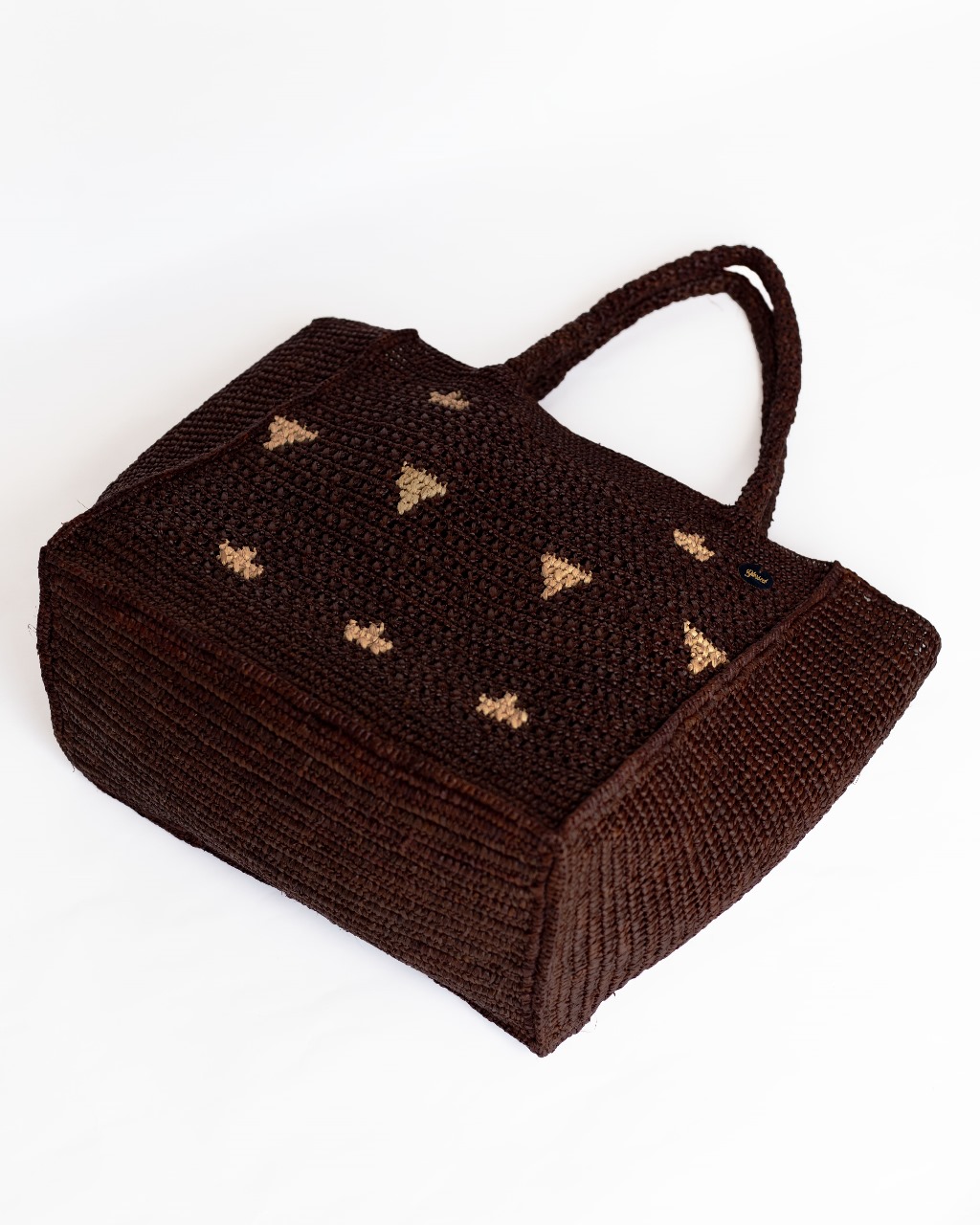
At BLESSED, we believe that every raffia bag and accessory tells a story: one of craftsmanship, identity, and a link between the past and the future. By combining elegance and authenticity, we help to pass on this culture while giving it a contemporary dimension.
So protecting raffia does not mean freezing a tradition, but rather allowing it to continue to evolve.
Conclusion
Raffia is not only a natural material, it is a reflection of a living cultural heritage deeply rooted in the traditions of Madagascar. Threatened by modernization and the loss of know-how, it deserves to be recognized as an intangible heritage that must be protected.
Preserving raffia means taking action for the environment, supporting artisans, and encouraging more responsible consumption. But it also means honoring a collective memory and passing on unique expertise.At BLESSED, we firmly believe that through our creations, everyone can play a part in this preservation. Choosing raffia means choosing to protect an identity and ensure its future.


The challenges facing the raffia sector in Madagascar: how can they be overcome?
How to overcome the challenges facing the raffia sector in…

Raffia and sisal : how do these two fibers complement each other in design ?
Contemporary design is increasingly favouring natural materials. Among the most…

7 Ways to Use a Sisal Clutch in Your Daily Life
In a daily life where natural materials are becoming central…