


A natural, durable, and attractive material, raffia has become a staple in fashion and sustainable crafts. Madagascar, the birthplace of this plant fiber, plays a key role in its production. But is raffia just a local resource or a real strategic asset on the global market ? In this article, we will explore the challenges facing this unique fiber, while highlighting the commitment of BLESSED, a specialist in the creation of raffia bags and accessories.
Raffia, a natural resource of Madagascar
Derived from palm leaves, this fiber grows abundantly in Madagascar’s wetlands, particularly along the coast. Used for centuries by local populations, it is known for its strength and flexibility. Raffia is also 100% biodegradable, making it a sustainable alternative to synthetic fibers.
This abundance gives Madagascar a unique competitive advantage : access to an authentic natural resource that is already in line with international market expectations. But no matter how rich a raw material may be, it only reaches its full value when it encounters the expertise needed to transform it.
Craftsmanship passed down from generation to generation
Raffia is not just a material : it is a cultural heritage. The techniques of weaving, dyeing, and shaping have been passed down for generations, giving rise to unique pieces.
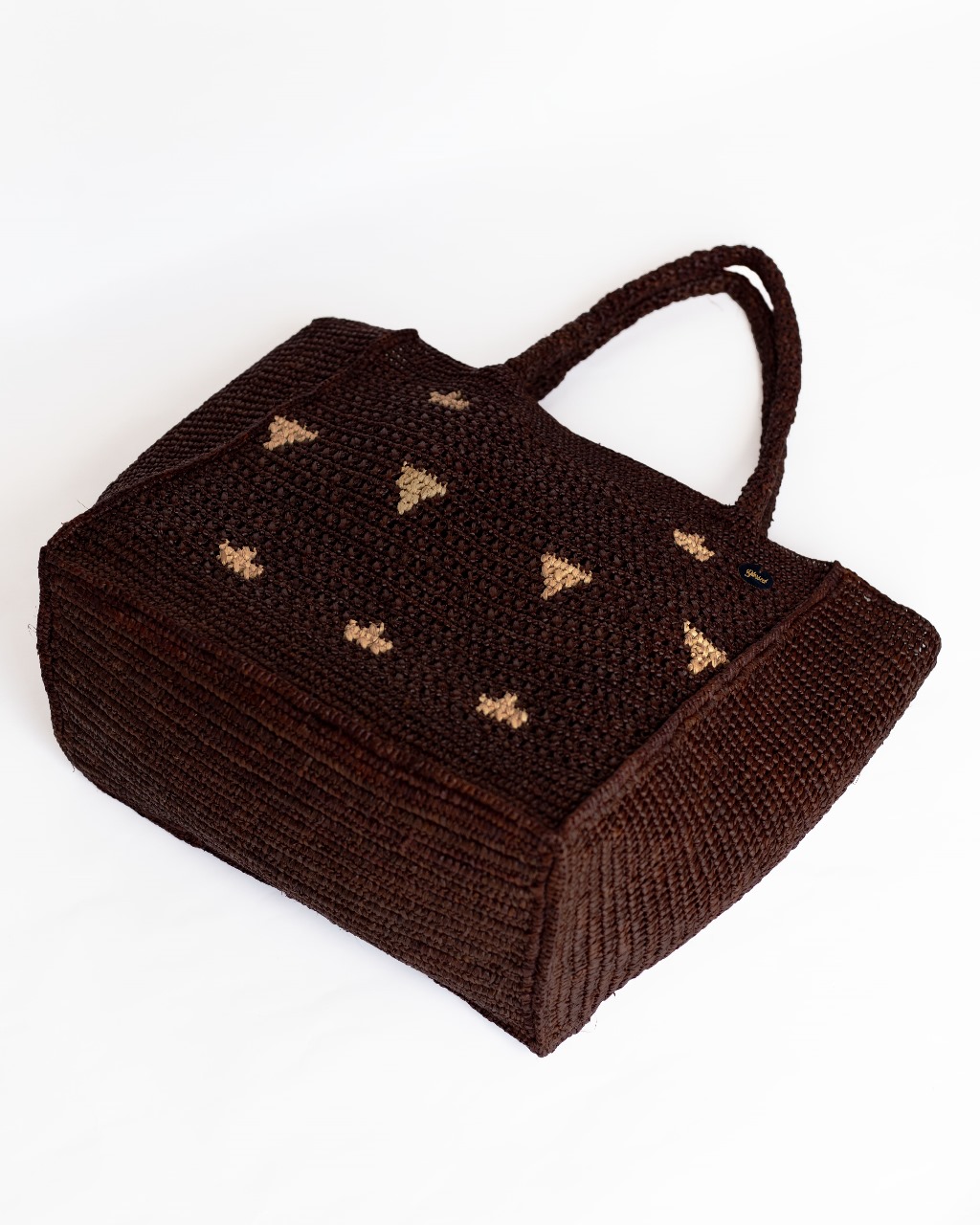
At BLESSED, we collaborate with local artisans to preserve this expertise while reinventing it. Each bag and accessory we create is a blend of Malagasy tradition and contemporary design.
And while this expertise is appealing on a local scale, it is now attracting increasing attention far beyond the country’s borders.
A fiber sought after by international fashion
In recent years, raffia has conquered the catwalks and collections of major luxury fashion houses. Hats, bags, and clutch bags made of raffia have become synonymous with summer elegance and authenticity.
This trend confirms that raffia is not only a craft material, but also a premium material capable of appealing to a demanding audience. BLESSED is part of this movement, offering creations that combine authenticity, refinement, and sustainability, adapted to modern lifestyles.
But behind this enthusiasm lies a strategic question : how can Madagascar take full advantage of this global demand ?


Opportunities and challenges in the global market
Demand for raffia is increasing, driven by the search for eco-friendly and sustainable materials. Madagascar, the leading producer, is therefore at the heart of this trend.
However, several challenges remain :
- A sector that is still poorly structured, dominated by exports of raw raffia.
- A lack of local promotion prior to export.
- Emerging competition from other producing countries.
These limitations hinder raffia’s strategic potential. However, they also open up a new opportunity : to bring about a new generation of local brands and initiatives capable of transforming this fiber into high-quality finished products.
Towards sustainable and responsible recovery
The future of raffia in Madagascar depends on the ability to strengthen local processing. This involves :
- The introduction of quality and ethical labels.
- Training artisans to meet international standards.
- The creation of committed brands that promote fiber through high-end products.
At BLESSED, we believe that raffia should be more than just an exported resource : it should be a symbol of Malagasy craftsmanship and creativity, recognized throughout the world.
Conclusion
Raffia is much more than just a natural fiber. For Madagascar, it represents a strategic asset, capable of boosting the local economy and positioning the country as a key player in sustainable fashion.
Through our raffia bags and accessories, BLESSED contributes to this ambition : offering authentic, elegant, and environmentally friendly creations, while showcasing the talent of Malagasy artisans on the international stage.
Malagasy raffia has a promising future, and we are convinced that it is already weaving its way toward global recognition.


The challenges facing the raffia sector in Madagascar: how can they be overcome?
How to overcome the challenges facing the raffia sector in…

Raffia and sisal : how do these two fibers complement each other in design ?
Contemporary design is increasingly favouring natural materials. Among the most…

7 Ways to Use a Sisal Clutch in Your Daily Life
In a daily life where natural materials are becoming central…