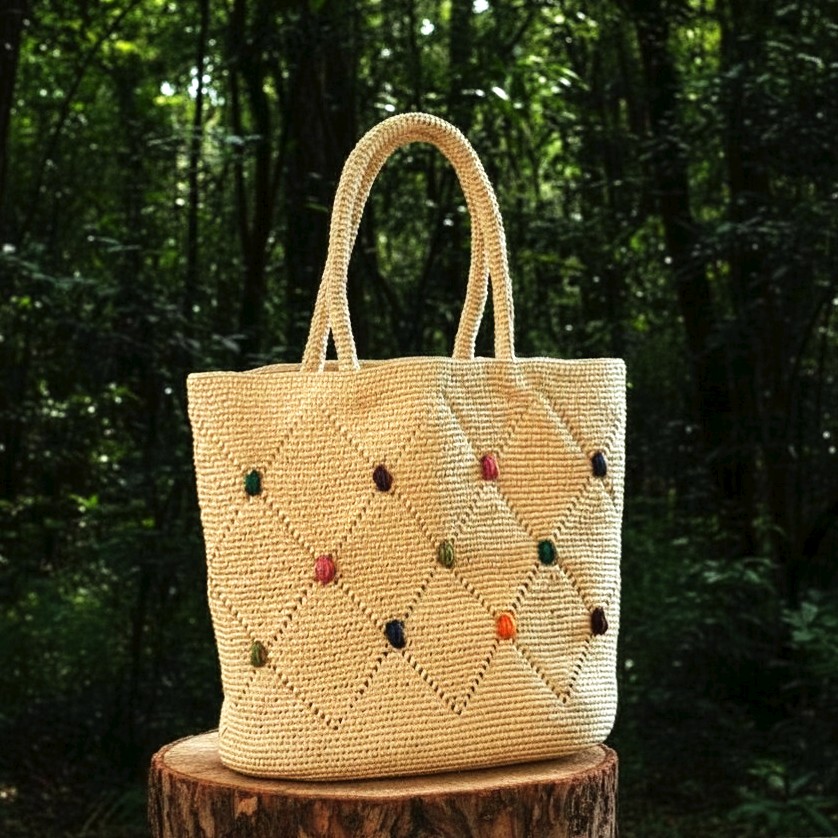
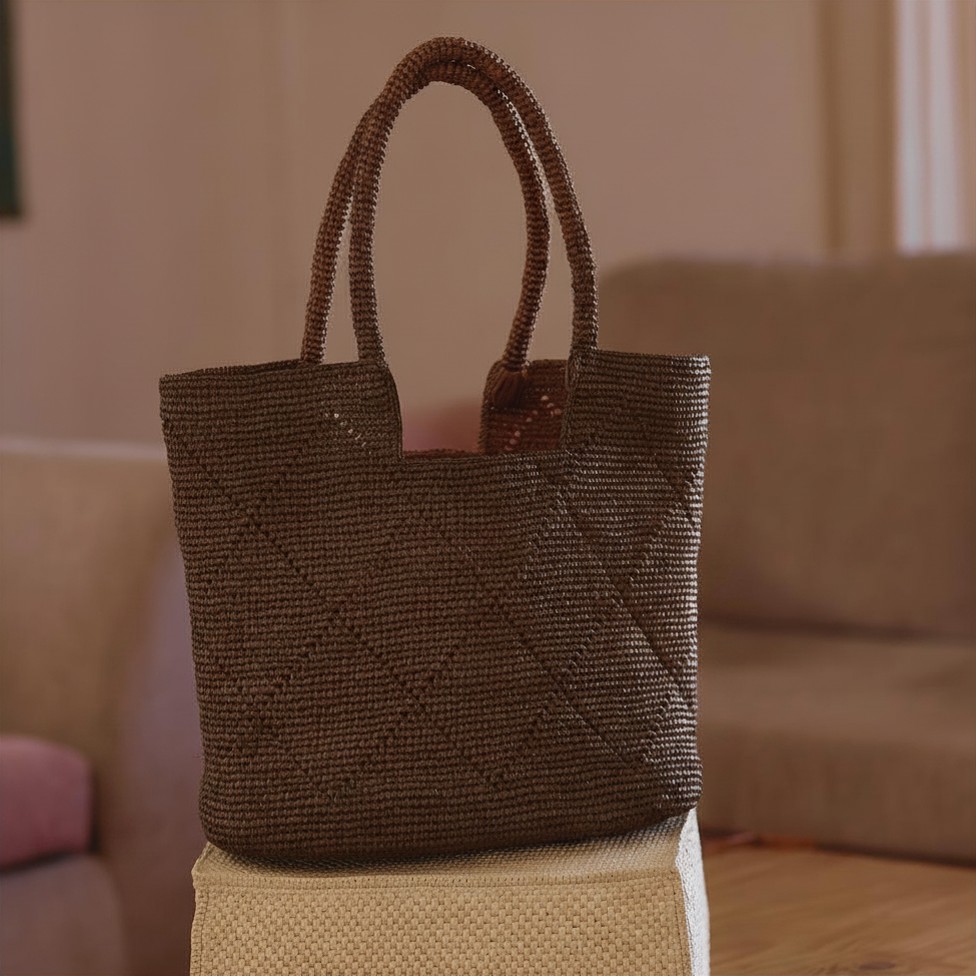
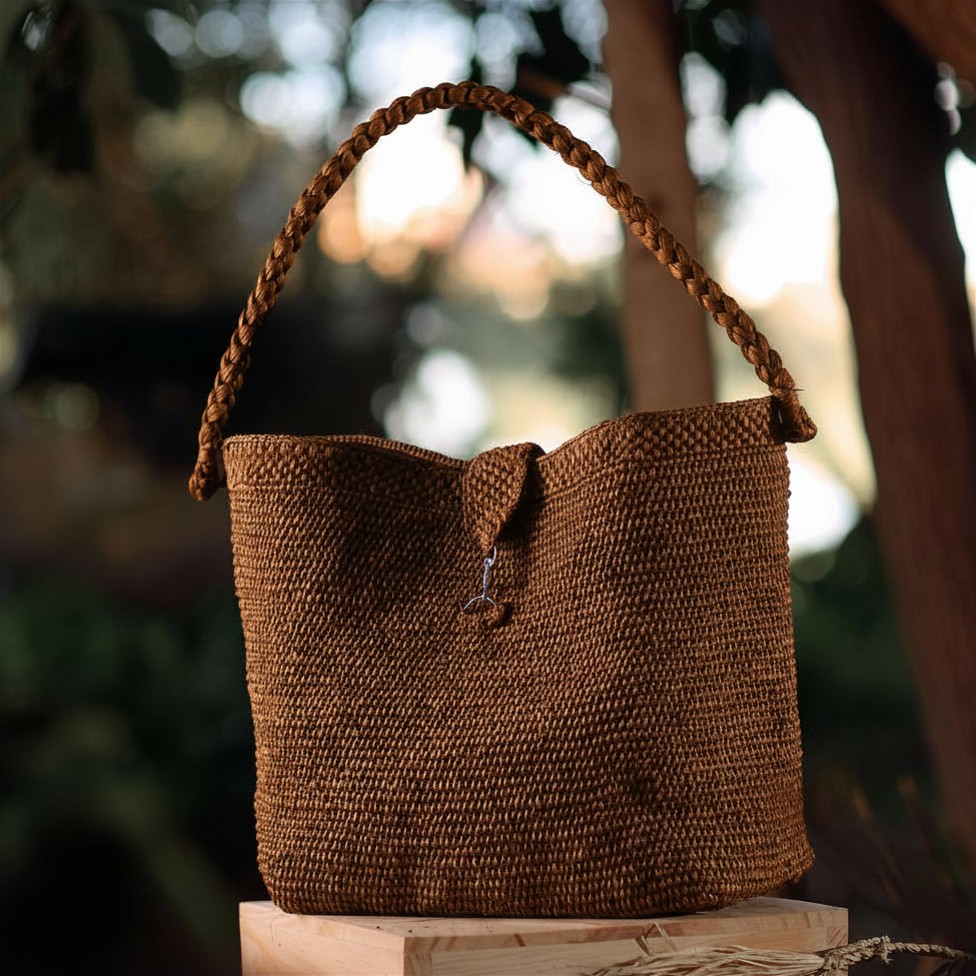
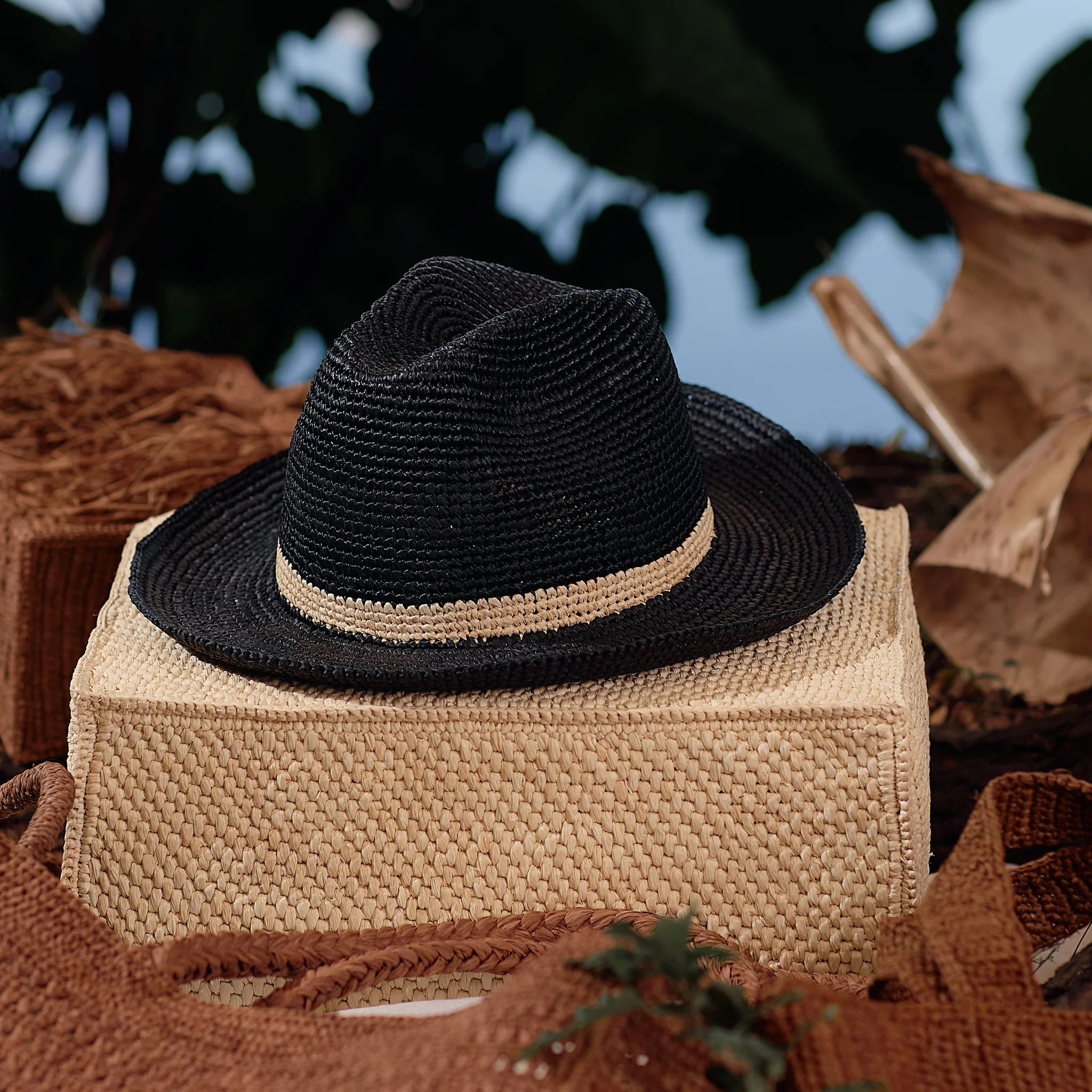
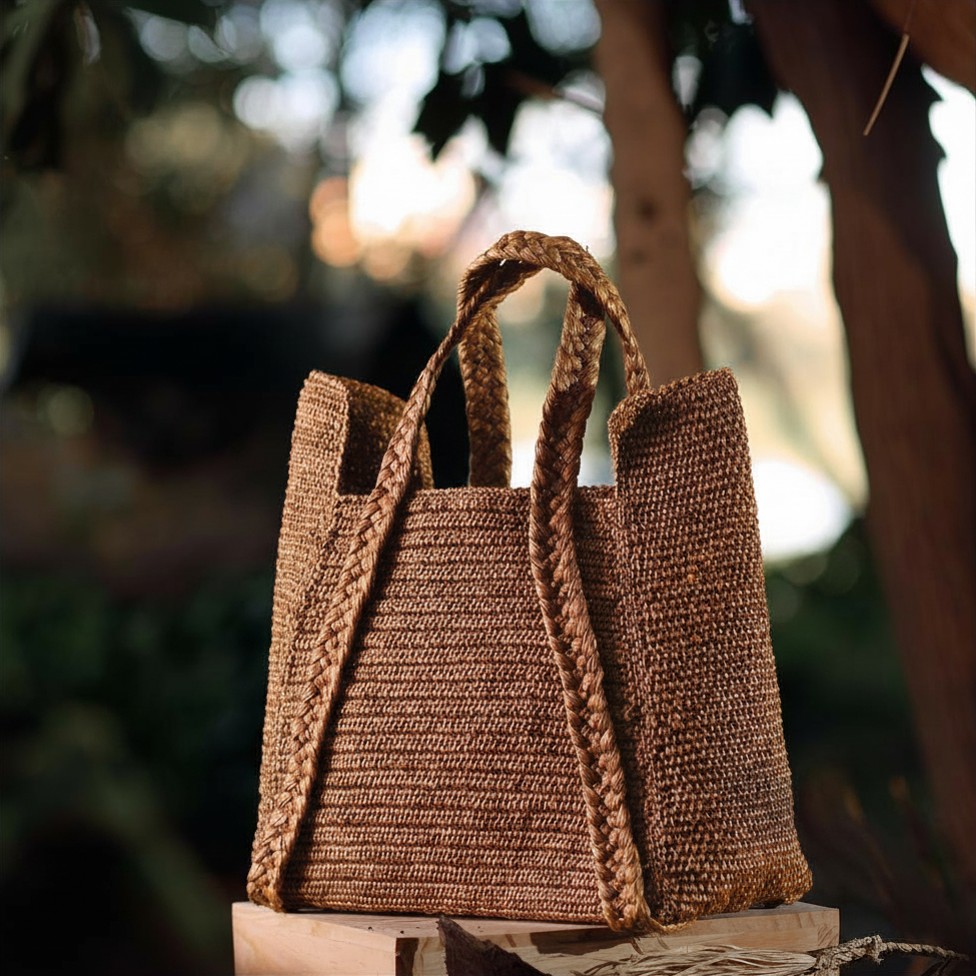
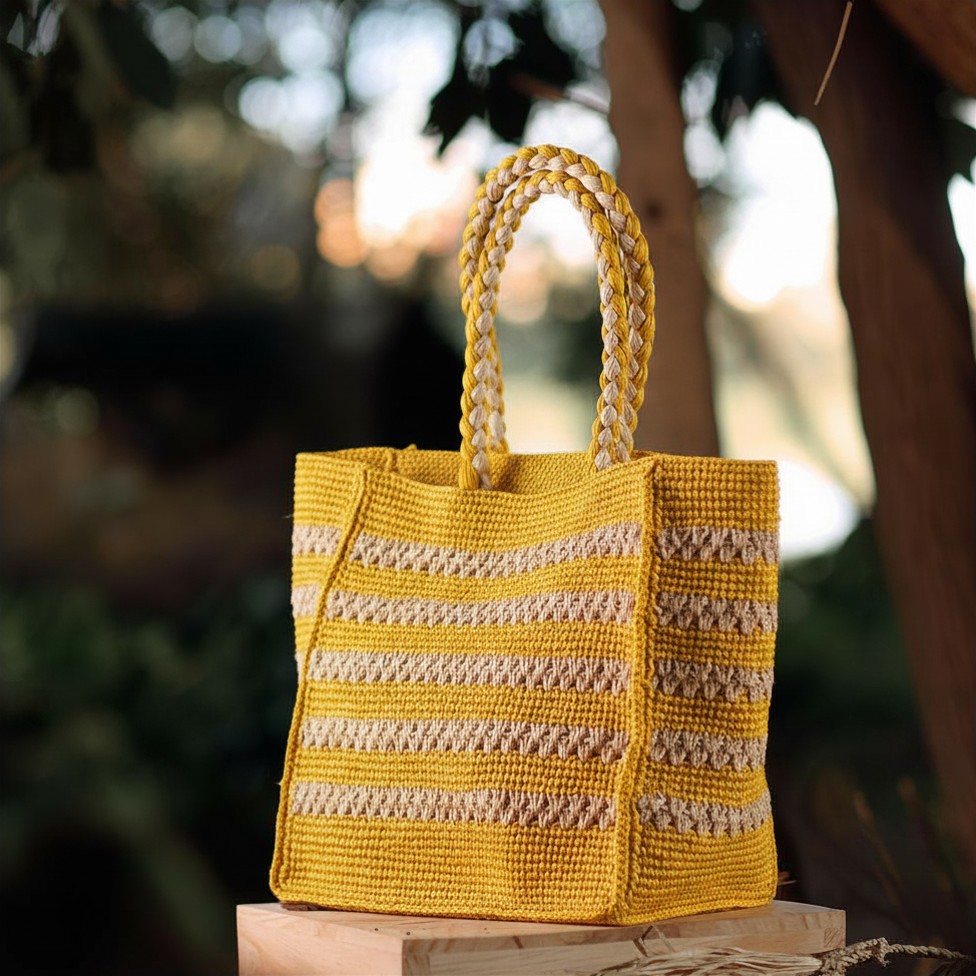
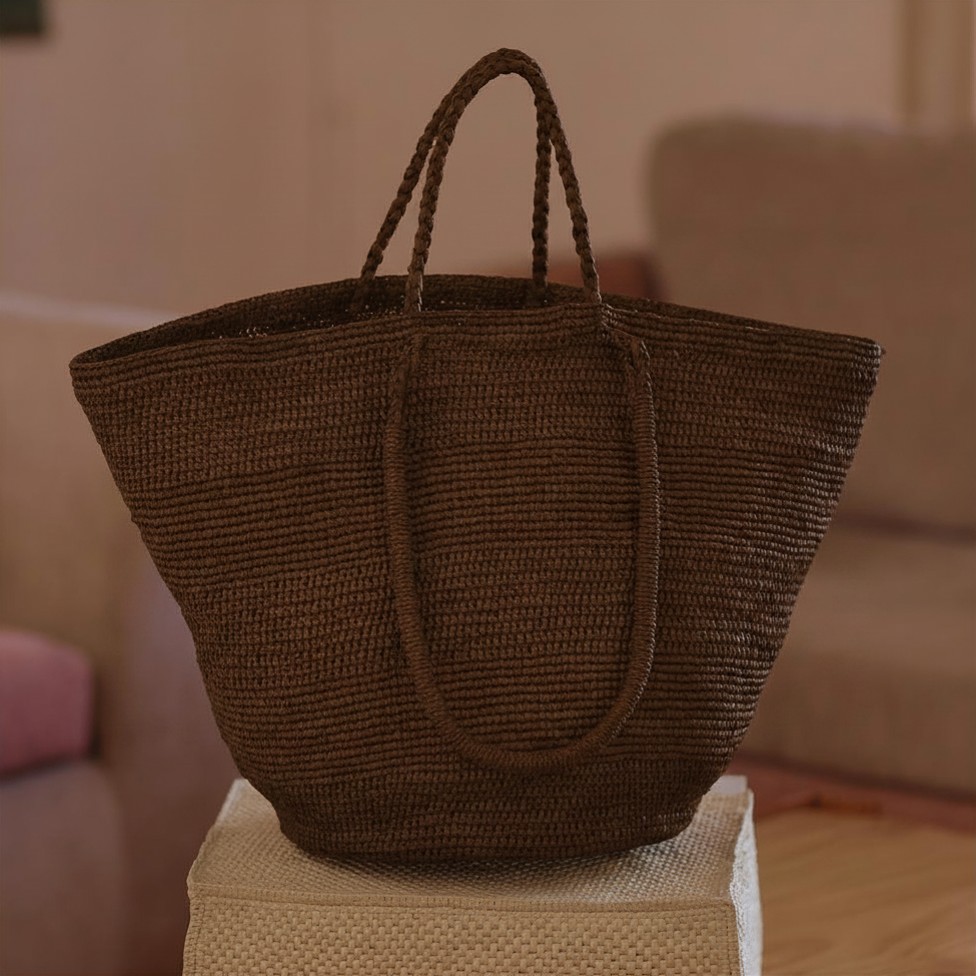
In Madagascar, crochet is far more than a simple creative hobby. It embodies a living memory, a heritage passed down from generation to generation, deeply rooted in Malagasy culture. Today, this ancestral technique is experiencing a renewed momentum through ethical fashion, which places manual work, human value and environmental respect back at the centre of creation.
At the crossroads of tradition, creativity and responsible commitment, malagasy crochet stands out as a sustainable alternative to mass industrial production.
Malagasy crochet: an ancestral know-how passed down through generations
A craft deeply rooted in malagasy culture
Crochet has long been practised in many regions of Madagascar. Learned from an early age, often within the family home, it forms part of the traditional knowledge passed on by mothers and grandmothers. Each stitch, each pattern tells a story — a gesture mastered with patience and precision.
This malagasy craftsmanship is built on a deep understanding of materials, textures and techniques, developed over years through experience and observation.
Precise gestures in the service of creation
Traditional Malagasy crochet is characterised by:
These gestures, performed entirely by hand, require time and focused attention, giving each piece a unique and authentic character.
Step into the world of our boutique !
Malagasy crochet at the heart of ethical and responsible fashion
A sustainable alternative to fast fashion
Faced with the environmental and social challenges of the textile industry, ethical fashion promotes more respectful production methods. Malagasy crochet naturally aligns with this approach through:
- small-scale production,
- the absence of heavy industrial machinery,
- mindful use of raw materials.
Why is the Malagasy handmade product winning over the world?
Each handmade crochet creation is the result of slow, thoughtful work — the complete opposite of fast fashion’s rapid production cycles.
Creation that respects people and the environment
Artisanal crochet often favours natural or locally sourced materials, thereby reducing its ecological footprint. It also highlights respect for artisans’ work through:
- fairer remuneration,
- improved working conditions,
- recognition of craftsmanship.
Responsible creation thus becomes a committed act, for both the consumer and the artisan
The social impact of malagasy crochet in local communities
A driver of economic empowerment
For many women in Madagascar, crochet represents an essential source of income. It allows them to:
This ancestral skill becomes a powerful tool for social empowerment, particularly in rural areas.
Showcasing malagasy craftsmanship on the international stage
Thanks to ethical fashion, Malagasy crochet now appeals to international markets that value authenticity and social impact. Each exported piece becomes a showcase of Madagascar’s artisanal talent, strengthening visibility and recognition for its makers.
Handmade crochet: a unique signature in sustainable fashion
Meaningful, one-of-a-kind pieces
Unlike standardised products, handmade crochet offers:
- unique pieces or limited editions,
- a story behind every creation,
- strong emotional value.
-> Immerse yourself in our raffia universe:
–The raffia basket, the sustainable accessory that back in fashion
–Raffia bags made in Madagascar: a promising export market?
–Raffia bag and hat: essentials for picnics and outdoor excursions
Wearing or using a Malagasy crochet item means choosing a product with meaning, far removed from industrial anonymity.
When tradition meets modernity
Today, Malagasy designers reinterpret traditional crochet by adapting it to contemporary trends: fashion accessories, home décor, clothing, bags and jewellery. This fusion of tradition and modernity allows Malagasy crochet to fully claim its place in the world of sustainable fashion.
Why Malagasy crochet embodies the future of ethical fashion?
Malagasy crochet brings together all the pillars of ethical fashion:
- respect for ancestral know-how,
- reduced environmental impact,
- strong social commitment,
- appreciation of human craftsmanship.
By choosing traditional Malagasy crochet, consumers become active participants in positive change, supporting a fairer and more responsible economy.
Conclusion: Malagasy crochet, more than an art, a commitment
Malagasy crochet is not merely an artisanal technique. It is the symbol of conscious fashion, rooted in tradition and oriented towards the future. Through every stitch and every creation, it tells the story of a people, a craft and a desire to create differently.
Choosing Malagasy crochet means choosing fashion that respects people, culture and the planet