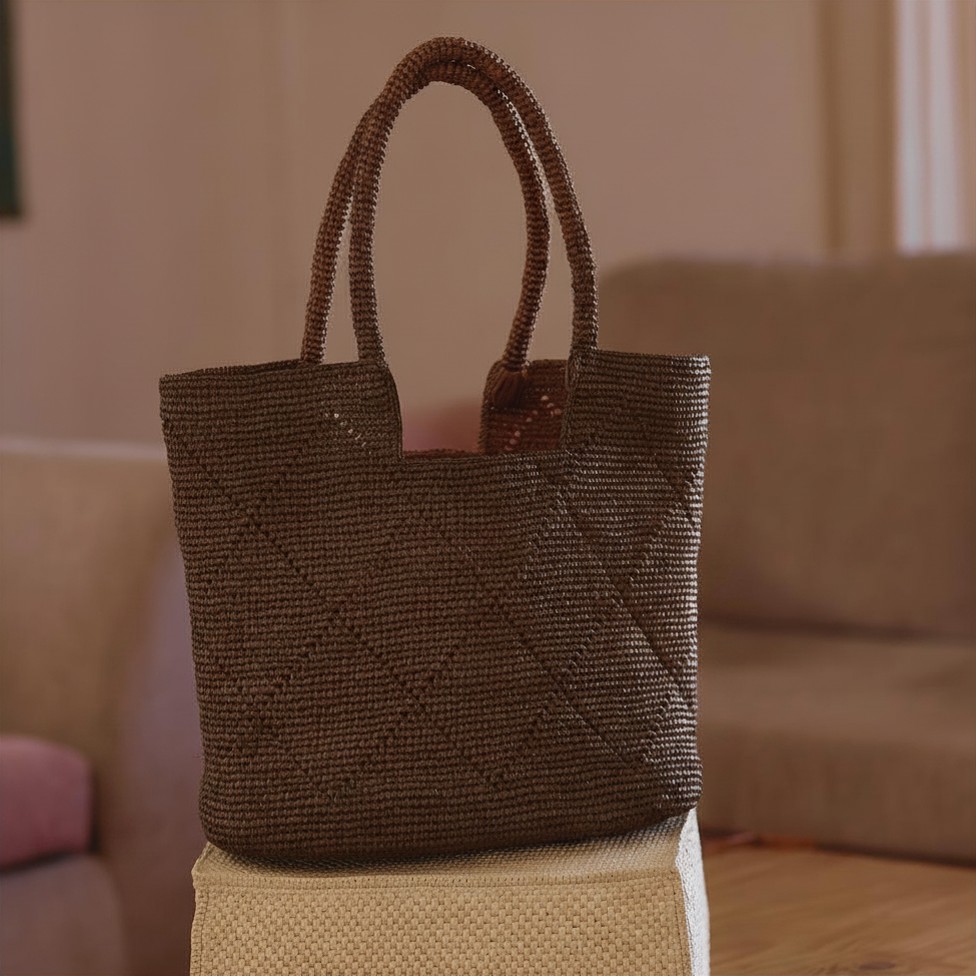
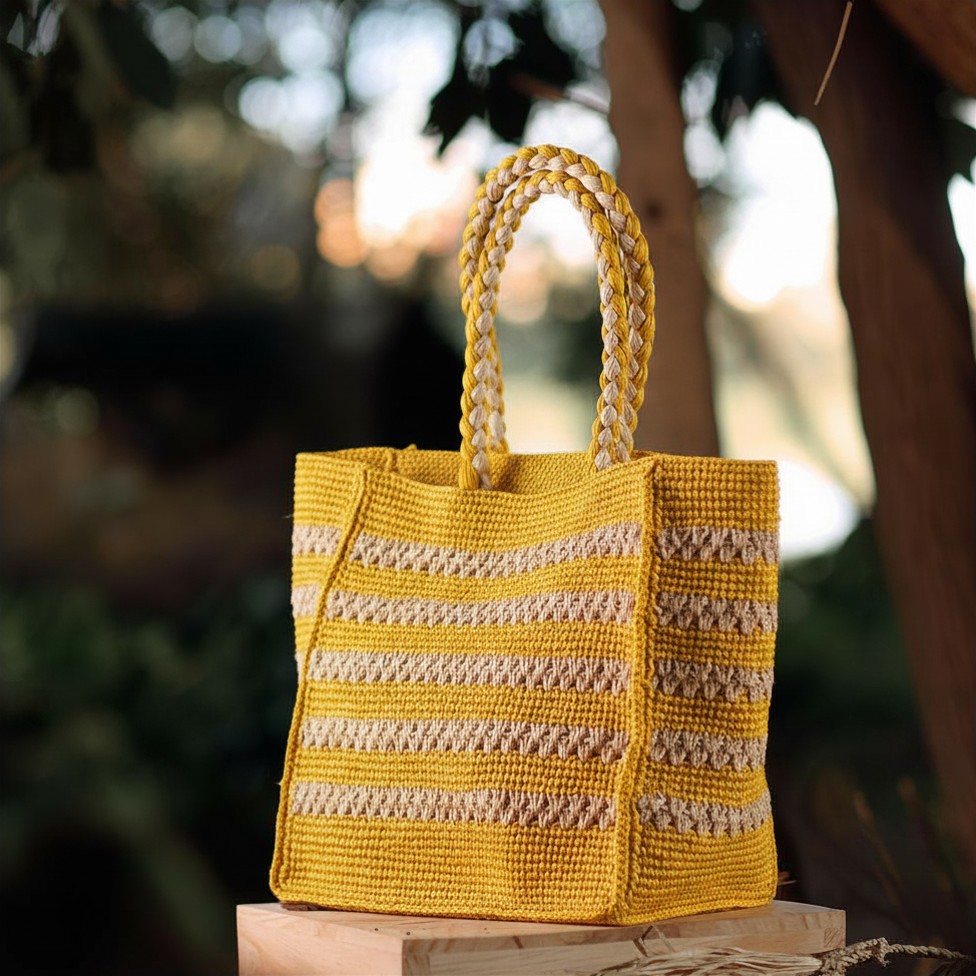
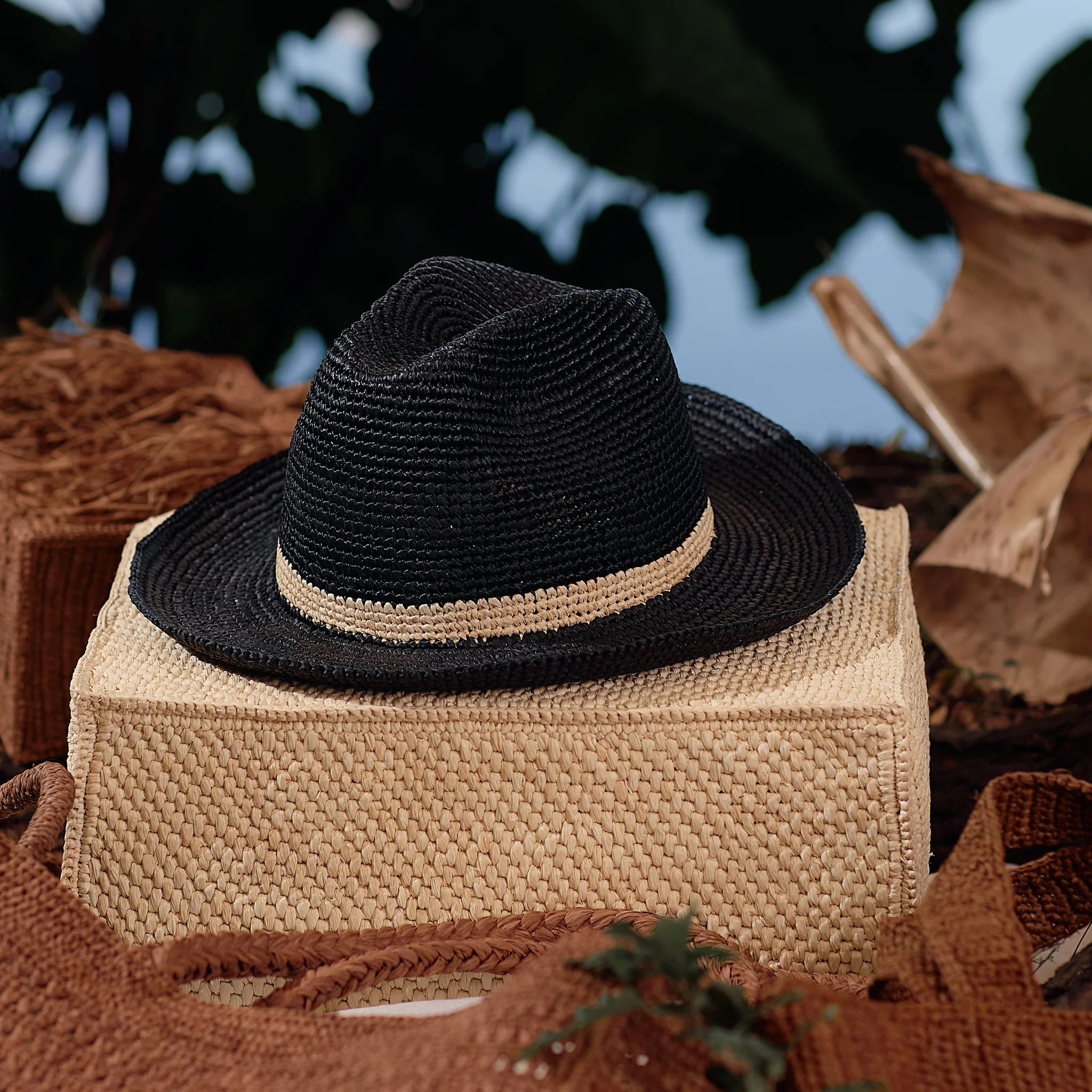
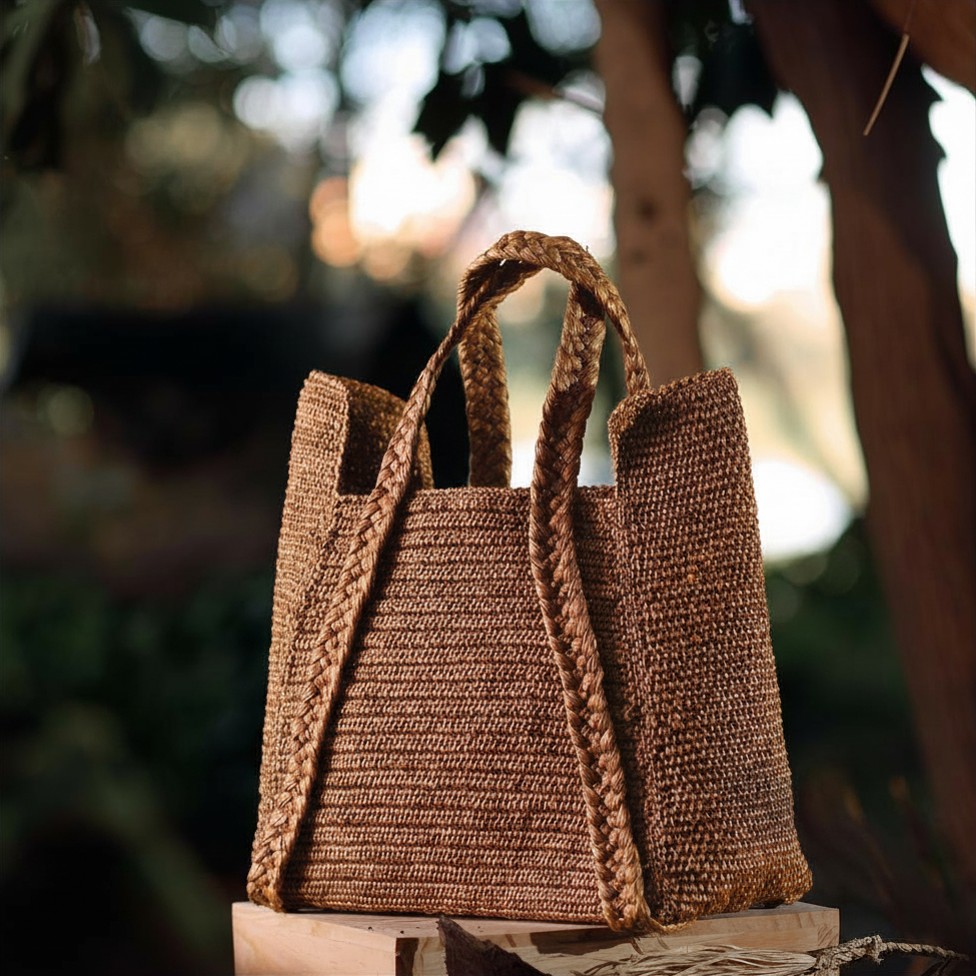
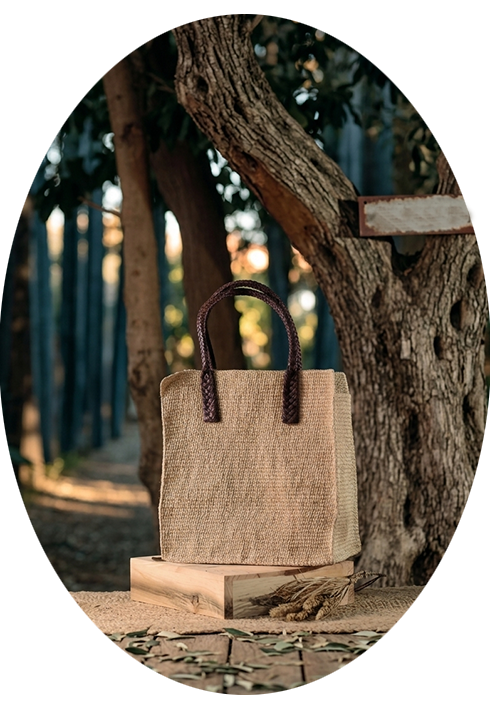
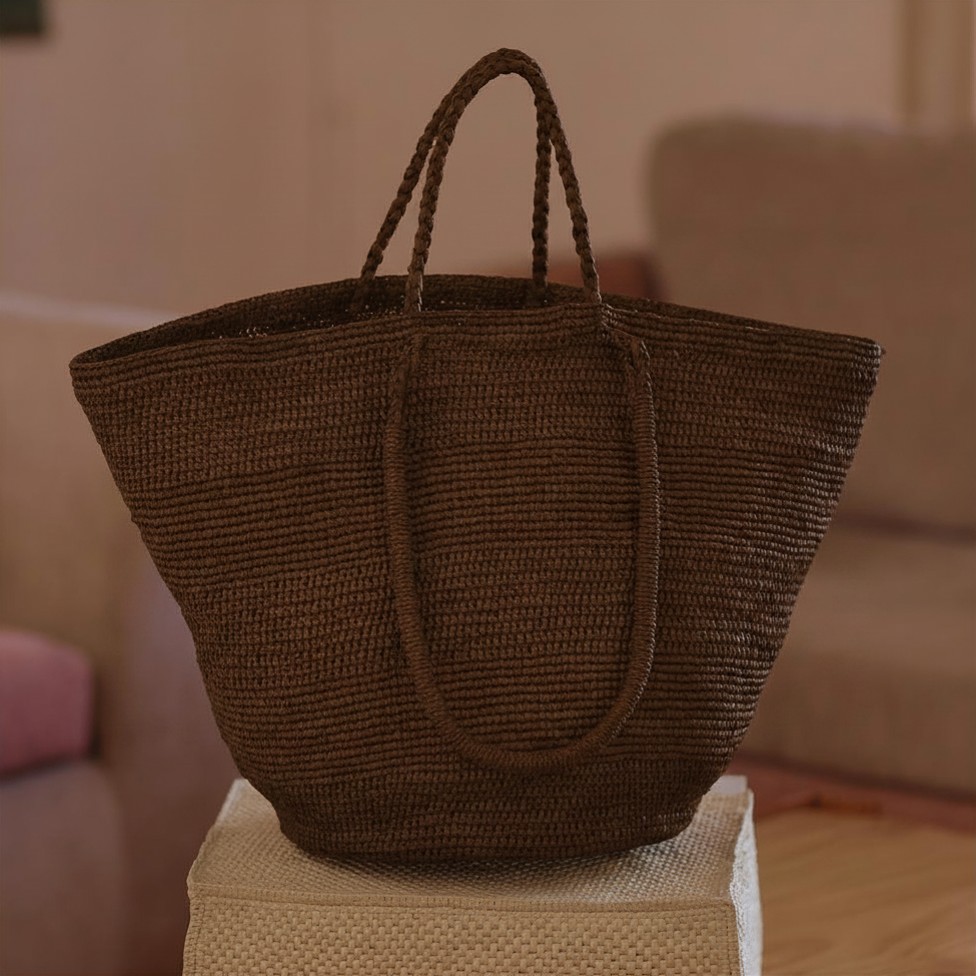
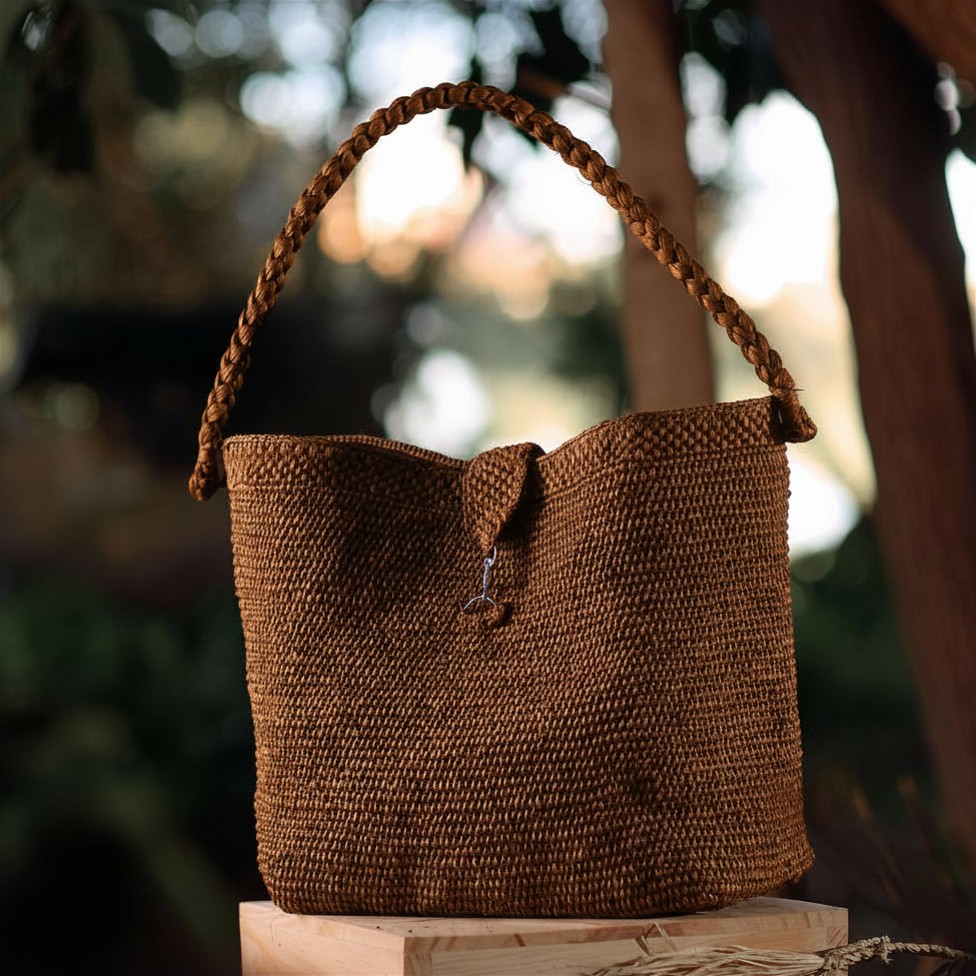
Behind every raffia bag lies a story. A story of natural material, precise gestures, patience and transmission. In Madagascar, raffia is not just a plant fiber : it is a cultural heritage and a cornerstone of local craftsmanship.
Let us dive into the creation journey of a raffia bag, from raw plant to finished accessory, entirely handmade in Malagasy artisan workshops. All these facets raise an important question: Why is raffia becoming rare?
Hand-crocheted raffia: a heritage that BLESSED transforms into art !
Raffia: an iconic natural material from madagascar
A local and renewable plant fiber
Raffia comes from the leaves of a palm tree that grows abundantly in Madagascar. Harvested responsibly, it represents a renewable natural resource perfectly suited to sustainable and artisanal practices.
Unlike synthetic materials, raffia is:
- biodegradable
- minimally processed
- environmentally friendly
- sourced through short supply chains
Discover more about the five key facts you should know about Malagasy raffia.
A material with multiple uses
Traditionally used for basketry, rope-making and everyday objects, raffia has now become a key material in fashion accessories: bags, clutches, hats, baskets and straps.
From harvest to preparation of raw raffia
Manual and respectful harvesting
Raffia harvesting is done by hand, using techniques passed down through generations. The leaves are cut without damaging the palm tree, ensuring its regeneration and long-term sustainability.
Drying, sorting and softening
Once harvested, the raffia is:
- naturally sun-dried
- sorted according to quality and fineness
- sometimes dyed using natural pigments
Raffia and storytelling: when raw material becomes a selling point at BLESSED.
This stage is essential to obtain a fiber that is flexible, strong and pleasant to work with.
The artisan workshop: where the magic happens
Know-how passed down through generations
In Malagasy artisan workshops, every gesture matters. Weaving, crocheting or braiding raffia requires technical mastery and an intimate understanding of the material.
Artisans often work:
- from home or within cooperatives
- using simple tools
- in harmony with human rhythms
100% handmade work
Every raffia bag is unique. Slight variations in shape, colour or texture reflect authentic craftsmanship, far removed from industrial standards.
This is precisely what gives handmade accessories their value: they are not perfect — they are alive.
At BLESSED, raffia creations reflect a powerful driver of women’s empowerment in Madagascar.
From idea to finished bag: the creation process
Design: between tradition and modernity
Bag designs draw inspiration from:
- traditional Malagasy shapes
- contemporary trends
- everyday practical needs
All of this is explored further in these articles:
The goal is to create timeless, practical and elegant accessories.
Shaping and finishing touches
Once the weaving is complete, finishing stages follow:
- reinforcements
- handles
- optional linings
- strength and durability checks
Every detail is carefully considered to ensure a long-lasting bag, designed to accompany its owner for years.
An accessory with meaning
Supporting malagasy craftsmanship
Choosing a handmade raffia bag means supporting:
- the local economy
- artisans’ independence
- the preservation of traditional skills
It is also a step towards a fairer and more human approach to fashion.
A responsible and sustainable choice
In an age of overconsumption, opting for a handcrafted raffia accessory means choosing:
- quality over quantity
- longevity over disposability
- strong values beyond style
–Raffia, reflecting new consumer trends.
–Raffia made in Madagascar: a sustainable economic model.
Conclusion: more than a bag, a story to carry
From raw raffia to finished bag, every stage tells a story of patience, respect and creativity. Carrying a handmade Malagasy raffia bag means carrying a piece of culture, a commitment to craftsmanship and a more responsible vision of fashion.
An accessory that does not follow trends, but stands the test of time.