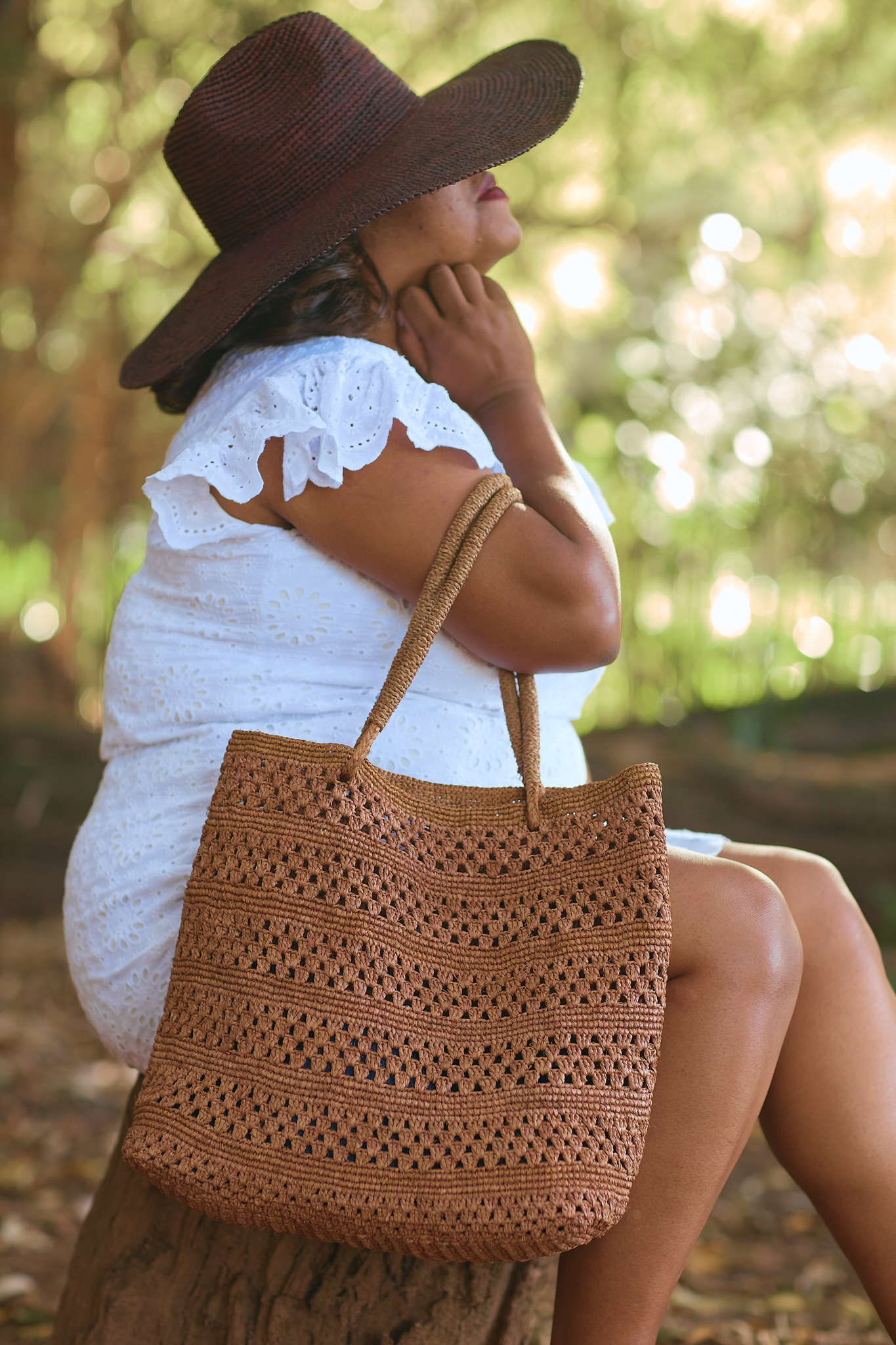
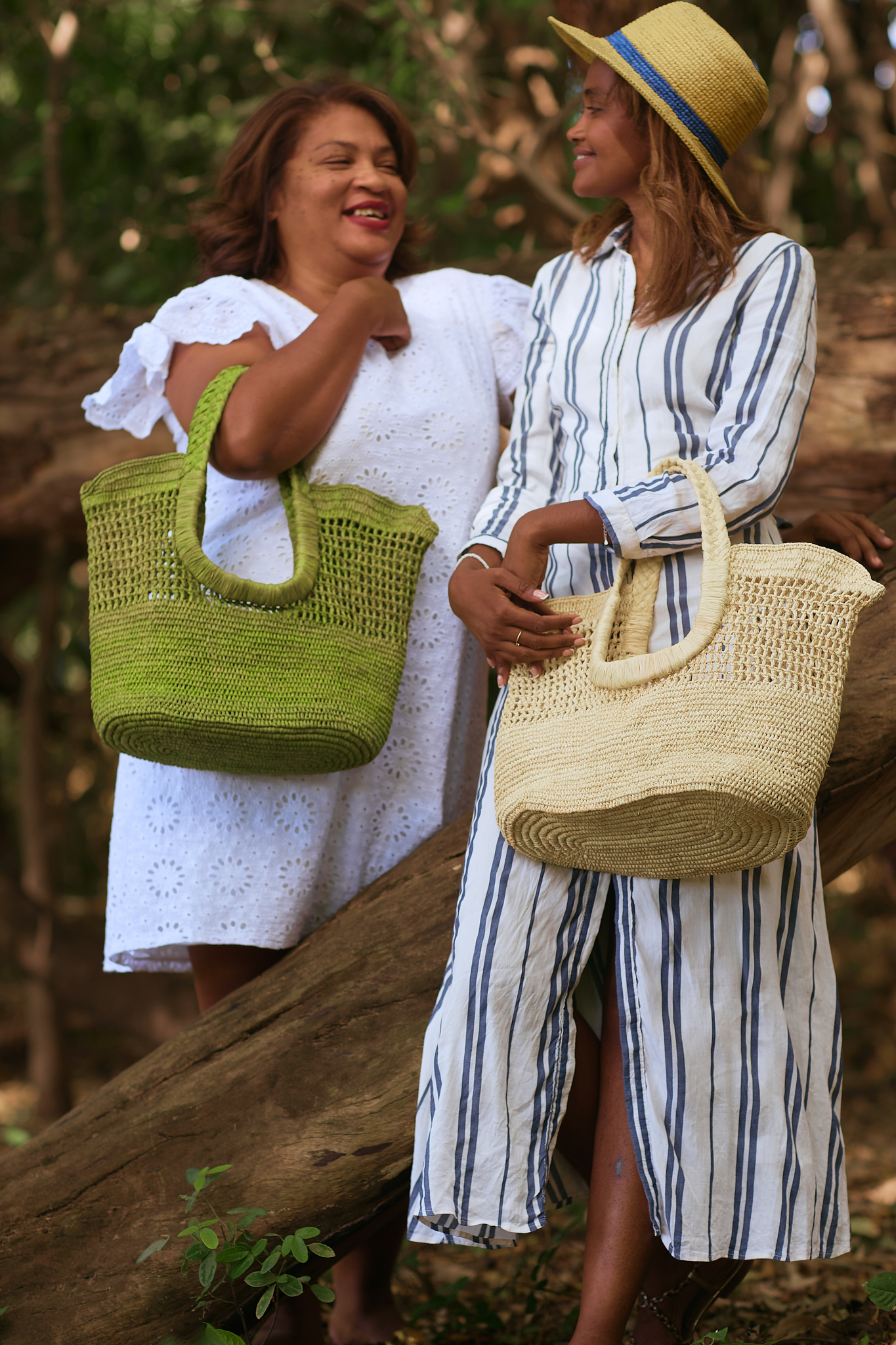
In a world dominated by overconsumption and constantly changing trends, the way we consume fashion is evolving. More and more consumers are choosing to buy less, but better, a philosophy that prioritises quality, durability and meaning over quantity.
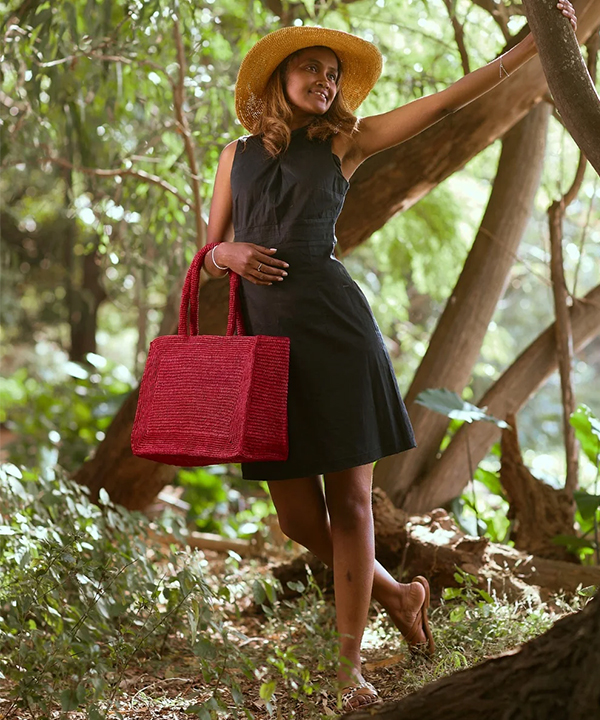
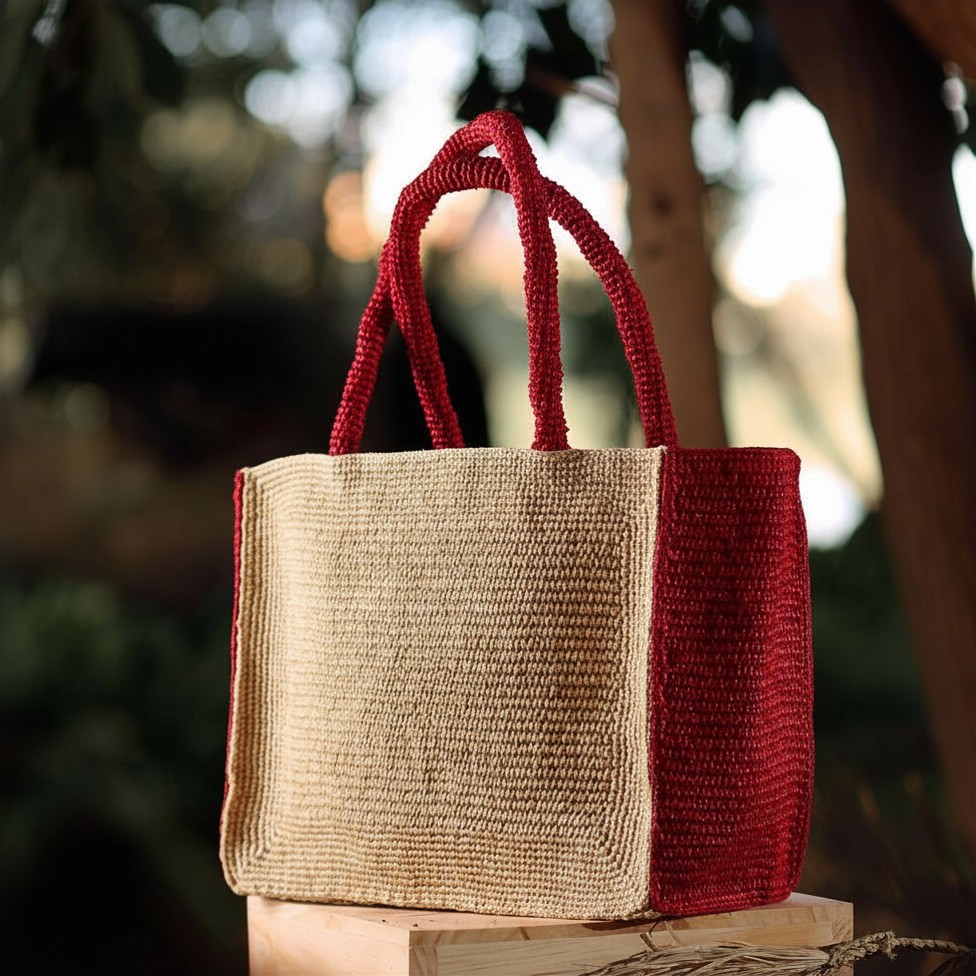
Accessories — bags, jewellery, belts and scarves — play a central role in this shift. They complete a look, tell a story and can become truly timeless pieces when chosen with care.
Why rethink our accessory consumption today?
The limits of overconsumption in fashion
The fashion industry is one of the most polluting in the world. The mass production of low-cost accessories leads to:
- excessive use of natural resources,
- the accumulation of waste,
- often precarious working conditions.
Buying accessories impulsively, worn only a few times, fuels an unsustainable system — both environmentally and socially.
A growing awareness of conscious consumption
Rethinking consumption means questioning the origin of products, how they are made and their impact. Responsible consumption encourages more informed choices that align with personal values, without sacrificing style or creativity.
Buy less, choose better: the principles of responsible consumption
Prioritising quality over quantity
A quality accessory can be recognised by:
- the strength of its materials,
- refined finishing,
- long-term durability.
Rather than accumulating short-lived items, investing in a few well-made accessories helps build a more coherent and sustainable wardrobe.
Choosing durable and ethical accessories
Ethical accessories are produced with respect for both artisans and the environment. They favour:
- natural or recycled materials,
- thoughtful, small-scale production,
- transparency about manufacturing conditions.
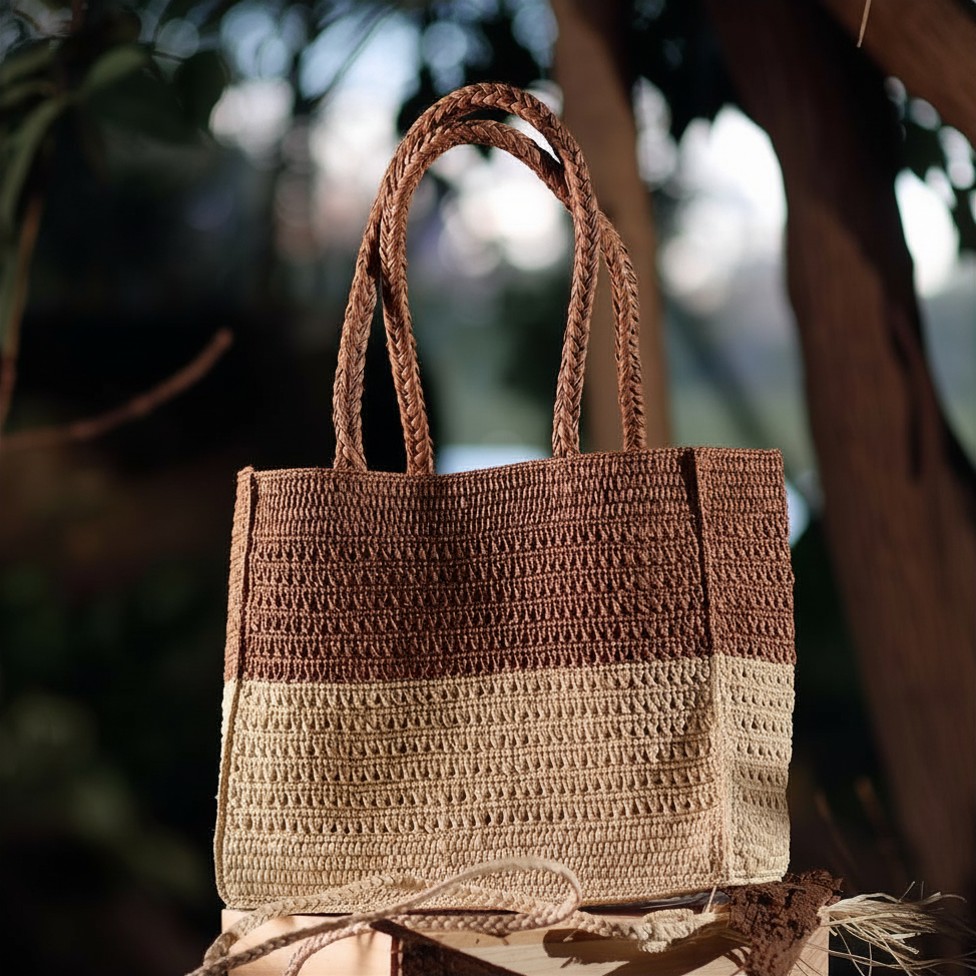
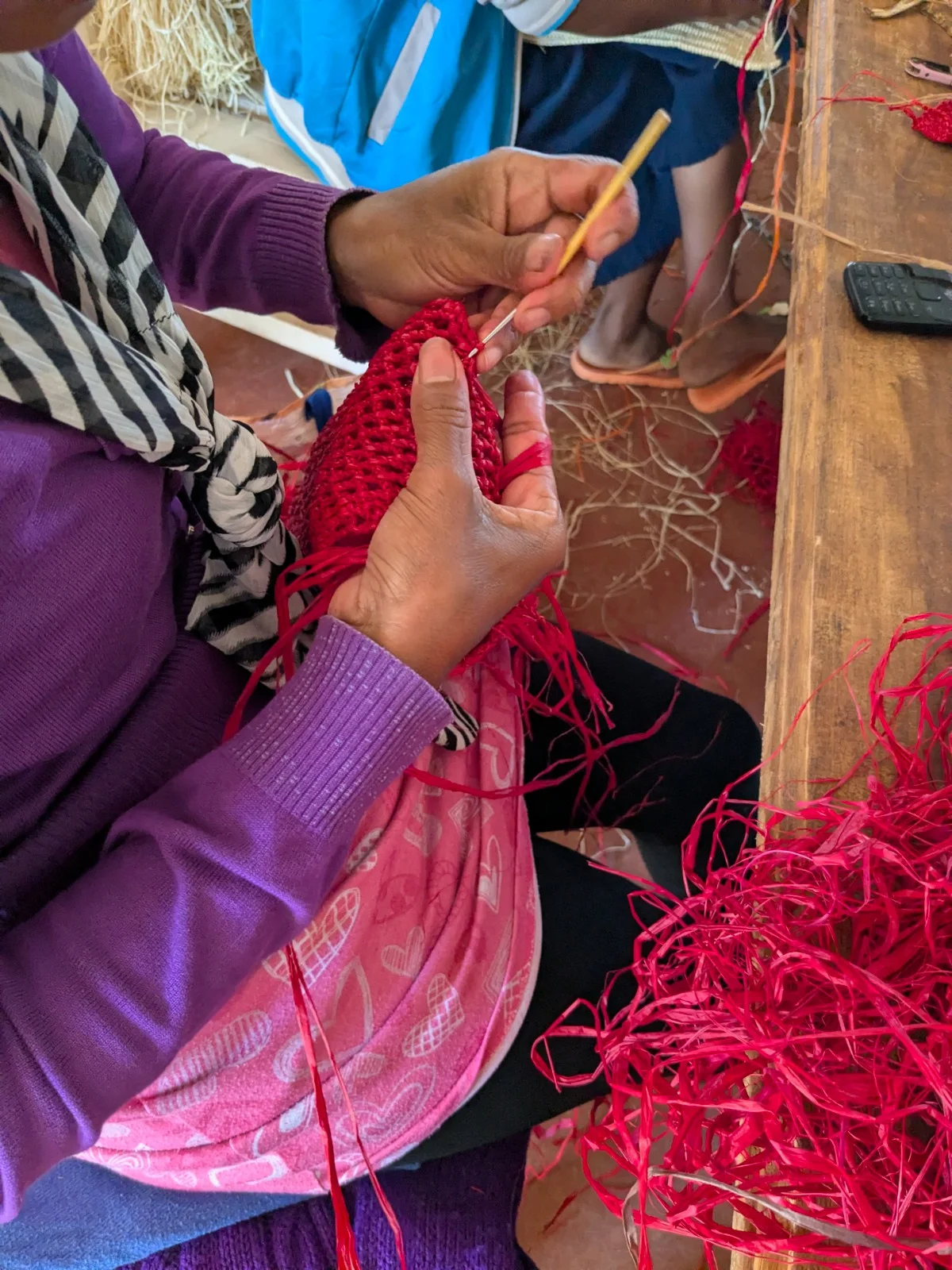
These choices support sustainable fashion and highlight often artisanal know-how.
Accessories at the heart of slow fashion
Timeless pieces instead of passing trends
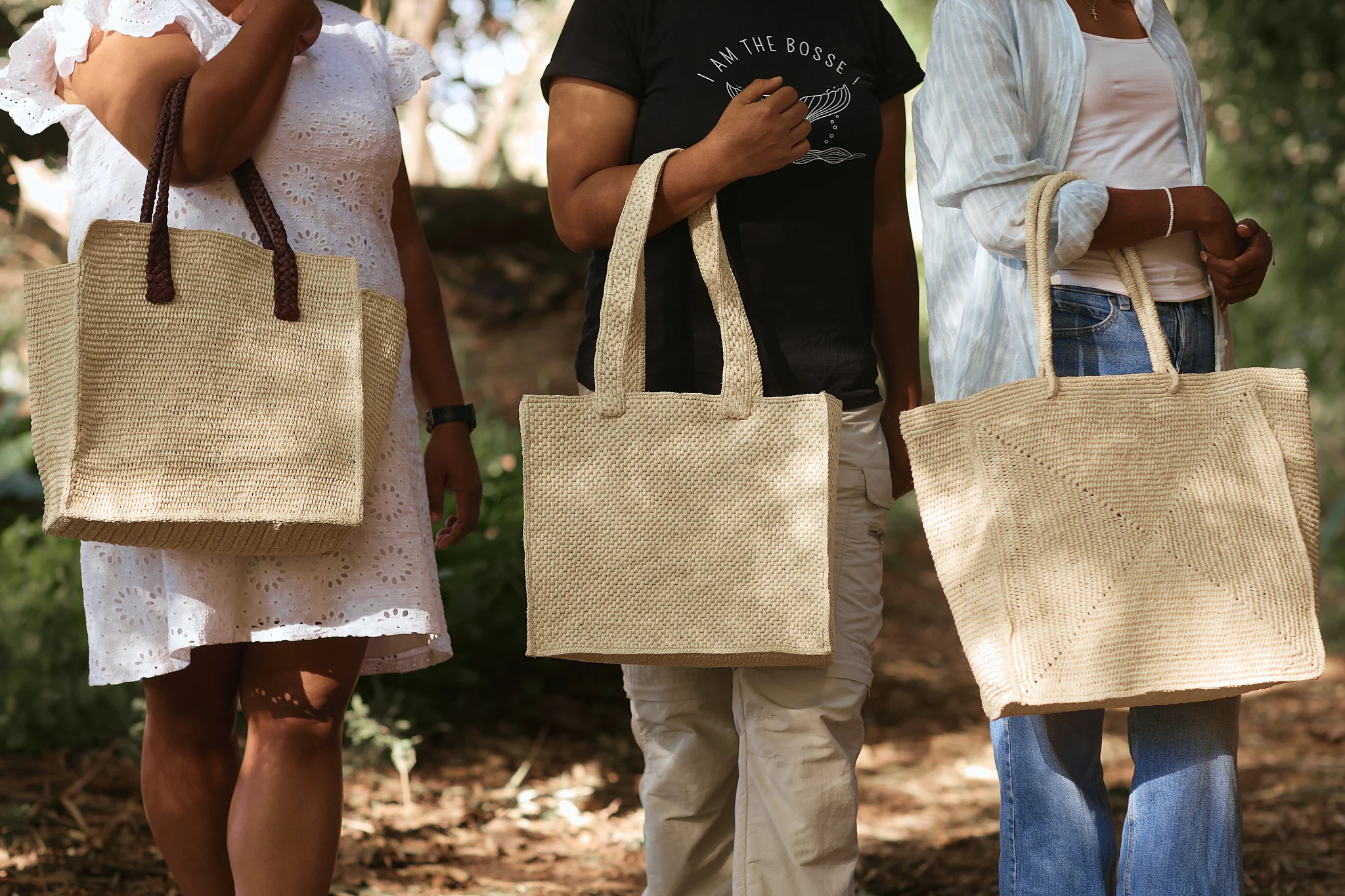
Slow fashion encourages stepping away from fast-moving trends and focusing on timeless accessories. Simple shapes, neutral colours and authentic designs allow the same accessory to be worn season after season, year after year.
Giving value to what we wear
A durable accessory is not just about aesthetics. It carries a story, an origin, and sometimes the face of the person who made it. This emotional connection strengthens attachment to the product and reduces the desire for constant replacement.
The hidden meaning behind BLESSED: a name, a vision
How to consume accessories differently on a daily basis
Learning to buy mindfully
Before every purchase, it is worth asking a few key questions:
- Do I really need this?
- Does this accessory fit my long-term style?
- Was it made responsibly?
This approach encourages conscious consumption, more closely aligned with personal values.
Caring for and valuing accessories
Buying less but better also means taking care of what we own. Regular maintenance extends the life of accessories and enhances their value. Repairing, transforming or reusing becomes an engaged act, helping to reduce waste.
Buy less, choose better: an aesthetic and committed choice
A new definition of luxury
Today, true luxury lies in:
- durability,
- authenticity,
- respect for human labour.
Owning fewer accessories, but choosing them carefully, allows for a stronger and more personal sense of style.
A positive long-term impact
Every responsible purchase helps support brands and artisans committed to ethical fashion. Over time, these choices positively influence production methods and encourage lasting change within the fashion industry.
Conclusion: consuming less to consume better
Rethinking the way we consume accessories means choosing a more conscious, human and sustainable form of fashion. Buying less but better does not mean giving up pleasure — it means restoring meaning to every purchase.
By prioritising quality, ethics and durability, accessories become far more than simple objects: they become symbols of commitment and responsibility.