Madagascar is famous for its unique biodiversity and exceptional natural resources. Among these, raffia, a natural fiber from raffia palms, occupies a special place. Used for centuries by local communities, it is both a high-quality craft material and a symbol of Malagasy cultural identity.
Today, brands such as BLESSED, which specialize in creating raffia accessories, are demonstrating how this resource can become a sustainable economic model, combining craftsmanship, environmental preservation, and local development.
From tradition to modernity: Origin and culture of raffia
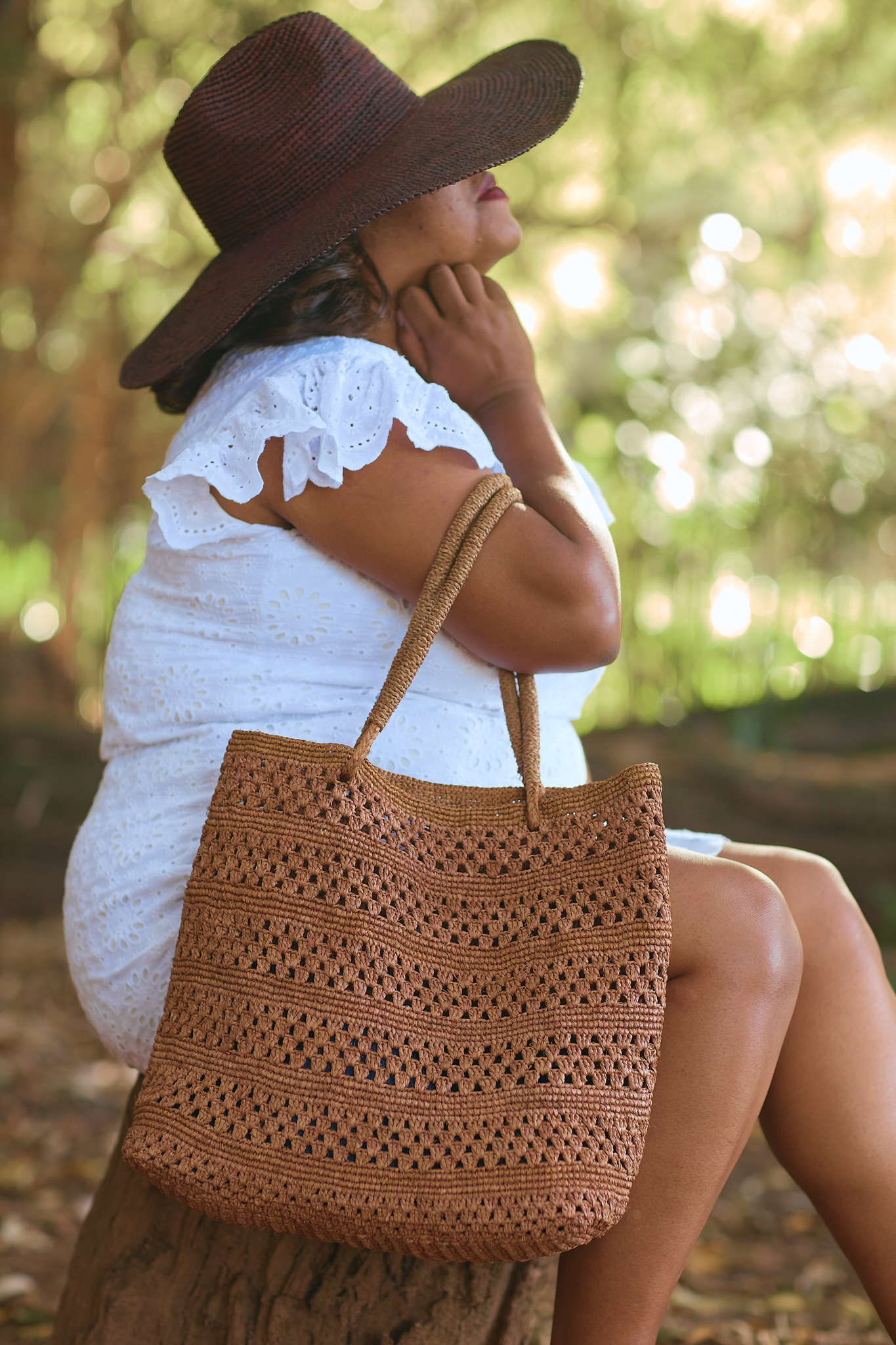
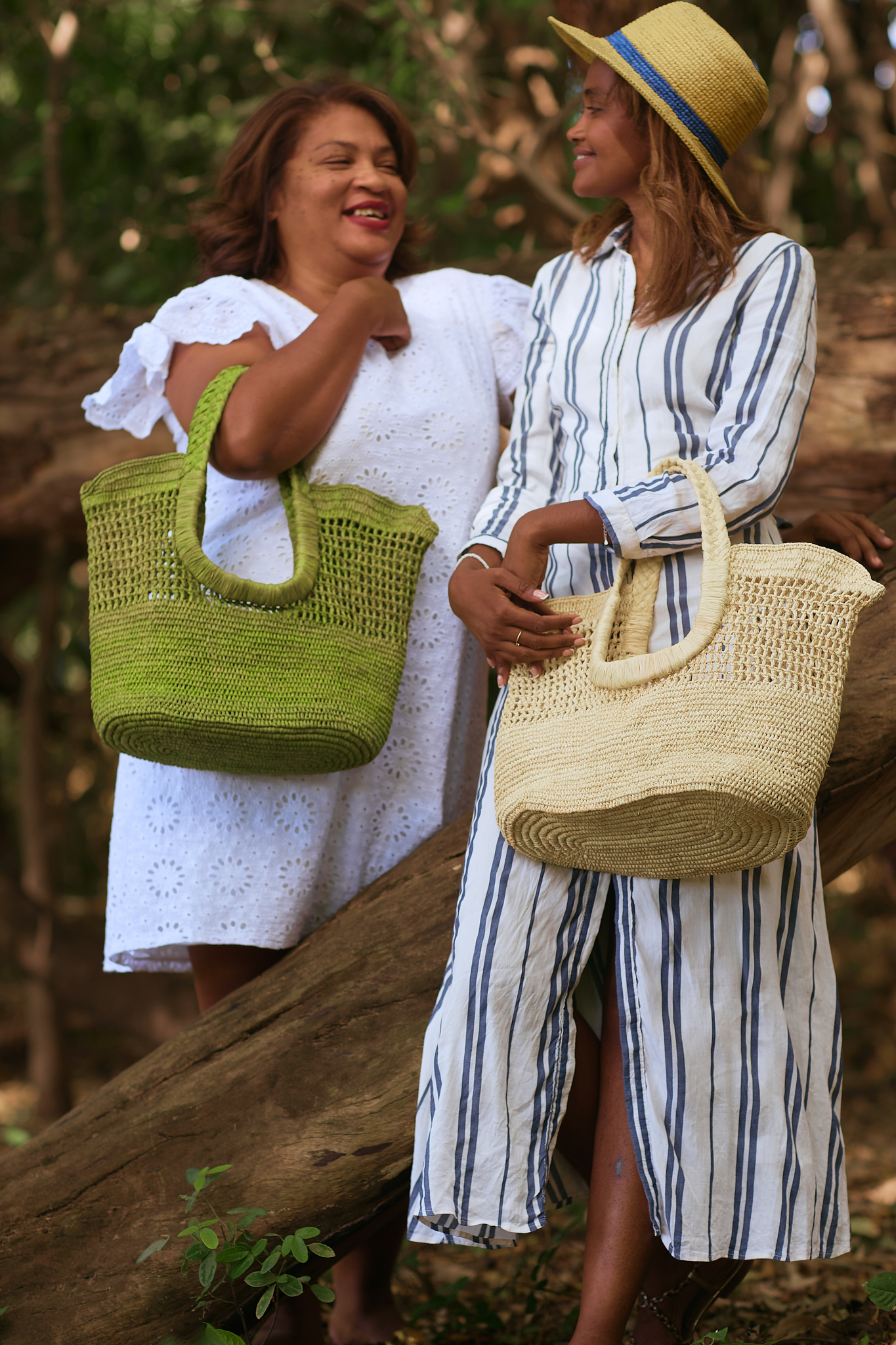
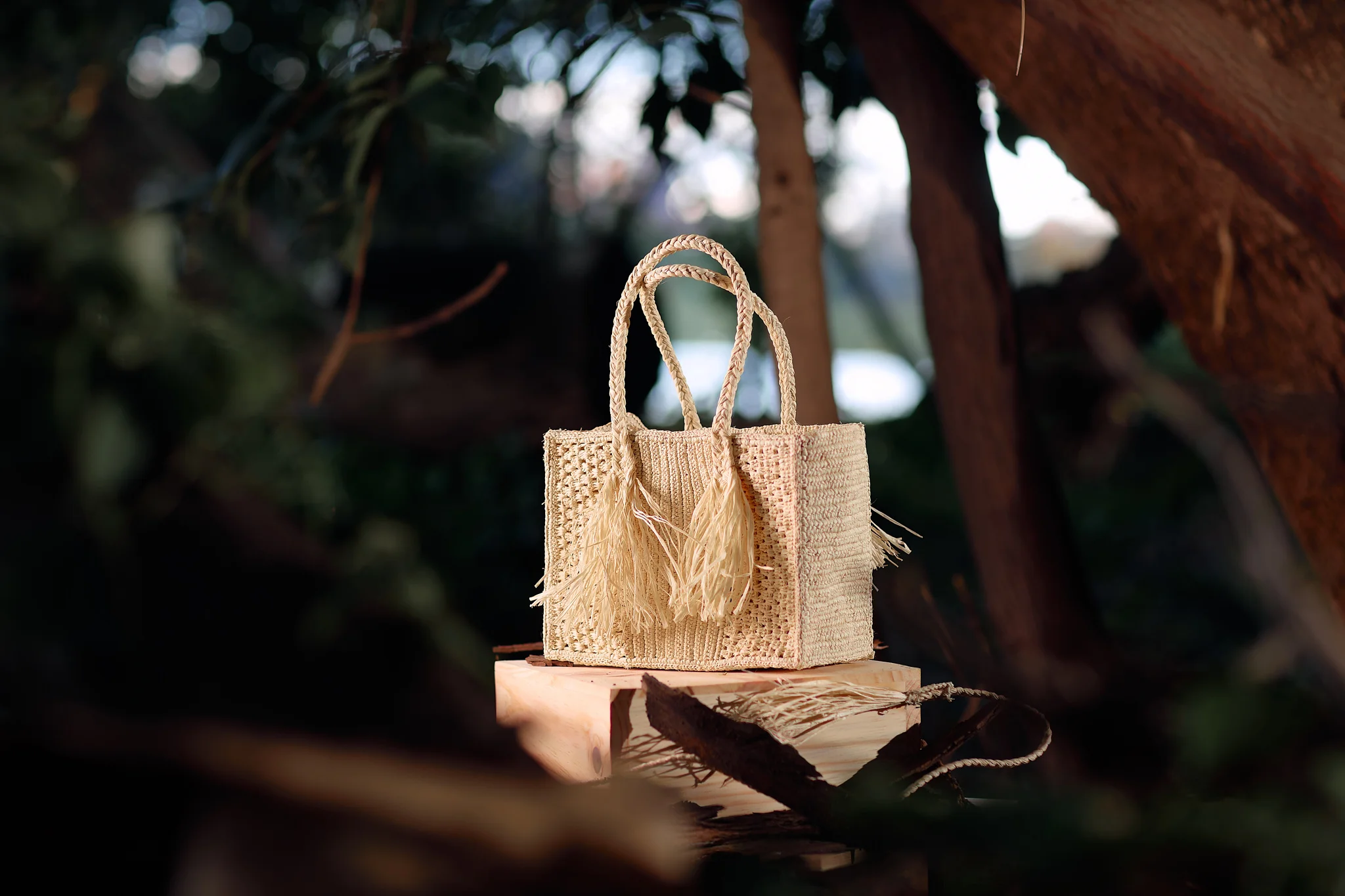
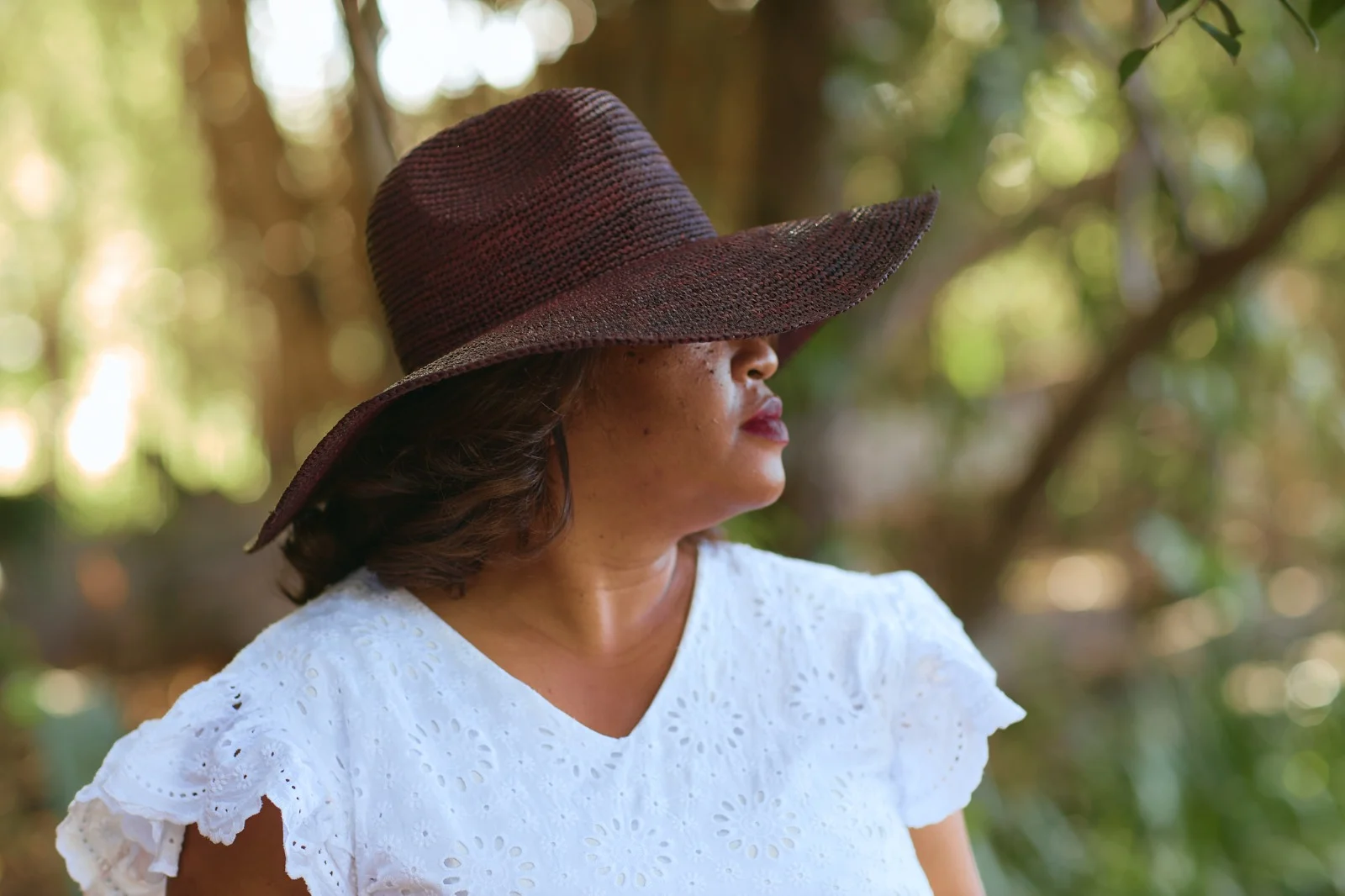
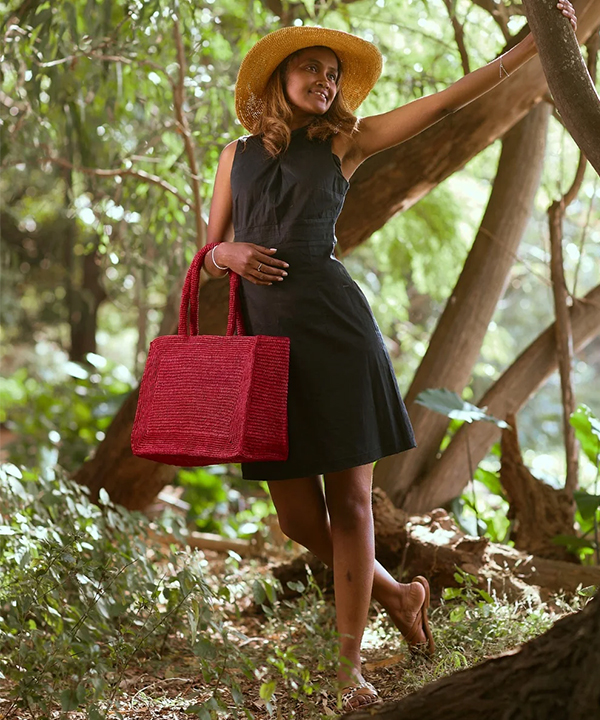
Raffia comes mainly from palm trees in the humid regions of Madagascar. Its long, supple leaves are harvested and then processed into strong, flexible fibers, which are used to create a multitude of objects: rugs, bags, hats, baskets or decorative accessories.
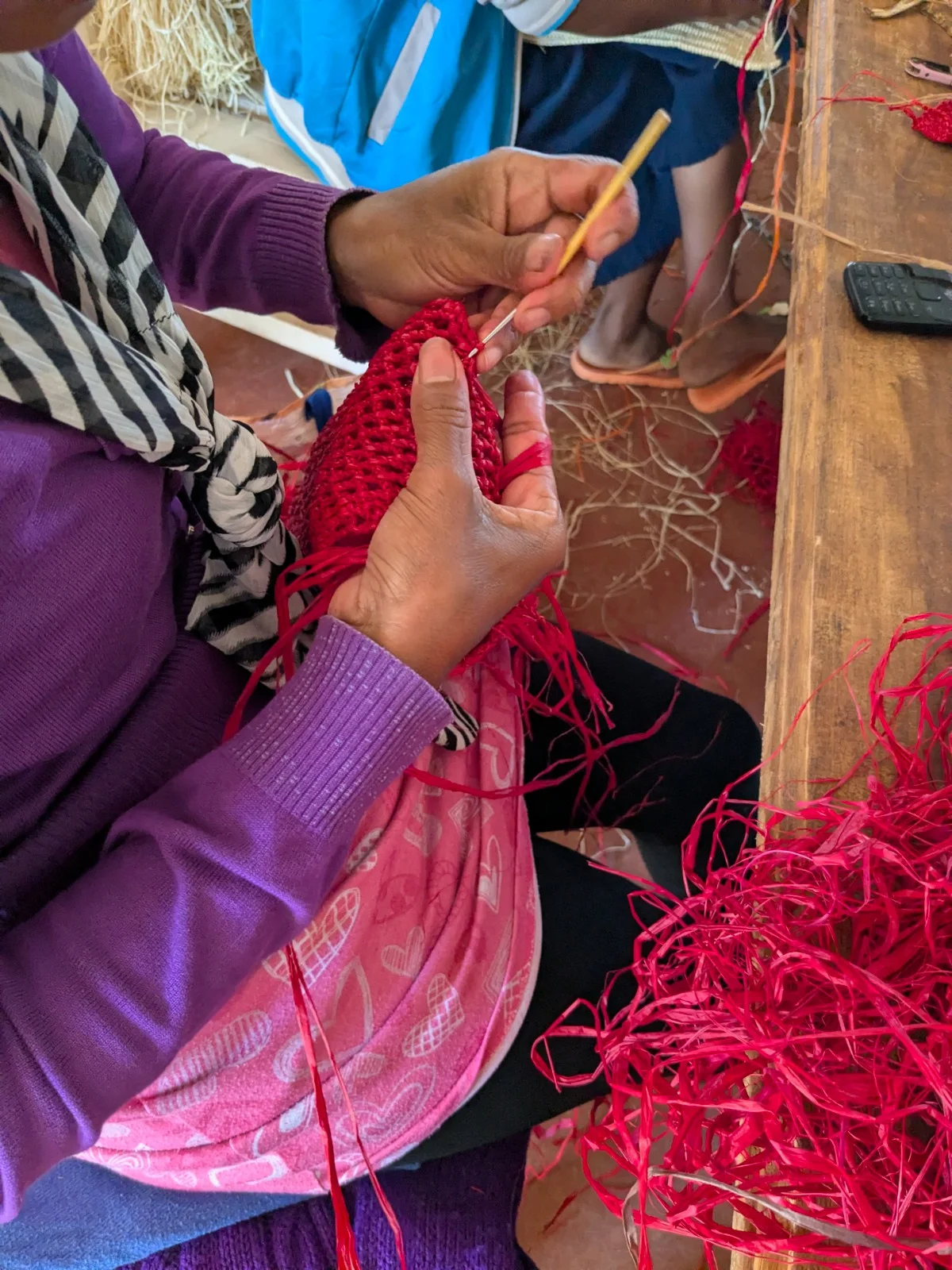
This expertise is deeply rooted in Malagasy culture, with patterns and techniques passed down from generation to generation. Today, brands such as BLESSED successfully combine tradition and modernity, creating contemporary accessories while preserving the authenticity of traditional weaving.
Raffia as a local economic driver
Beyond its cultural value, raffia represents a real economic driver for Madagascar. Harvesting and processing the fibers generates jobs, particularly in rural areas where opportunities are limited.
BLESSED perfectly illustrates this model: its artisans transform raffia into products for the local and international markets, while maintaining added value within the communities. Thus, raffia not only preserves a tradition, it becomes a concrete tool for sustainable economic development.
An eco-friendly and sustainable material
One of raffia’s great advantages is its durability. Responsible harvesting of the leaves preserves palm trees and limits deforestation. Unlike synthetic fibers, it is biodegradable and requires few chemical inputs, making it a natural, environmentally friendly alternative.
At BLESSED, this philosophy translates into thoughtful material choices, the reuse of scraps, and products designed to last. Raffia demonstrates that it is possible to combine craftsmanship, design, and environmental responsibility, offering an inspiring example of sustainable development.
Raffia on the global market: tradition and innovation
With the rise of eco-friendly products, raffia made in Madagascar is attracting increasing international attention. Consumers are looking for unique, sustainable items that are ethically sourced.
BLESSED’s creations perfectly meet this demand, offering accessories that combine contemporary design and authenticity. By collaborating with designers and modernizing certain weaving techniques, BLESSED shows that raffia can adapt to global trends while retaining its cultural and artisanal value.
Social and cultural impact: a virtuous circle
Beyond economics and ecology, raffia has a significant social impact. It promotes the empowerment of artisans, often women, and contributes to the transmission of skills to younger generations.
BLESSED workshops provide a setting where artisans can learn, improve their skills, and access new markets. This approach creates a virtuous circle, where culture, education, and economic development reinforce each other.
Conclusion
Raffia made in Madagascar embodies a sustainable economic model, and BLESSED is a living example of this. The brand shows that it is possible to create modern, attractive products while promoting local expertise and protecting the environment.
Choosing raffia accessories means supporting the local economy, helping to preserve a unique cultural heritage, and choosing responsible consumption. Raffia thus becomes much more than just a fiber: it is a symbol of sustainability, innovation, and malagasy authenticity.