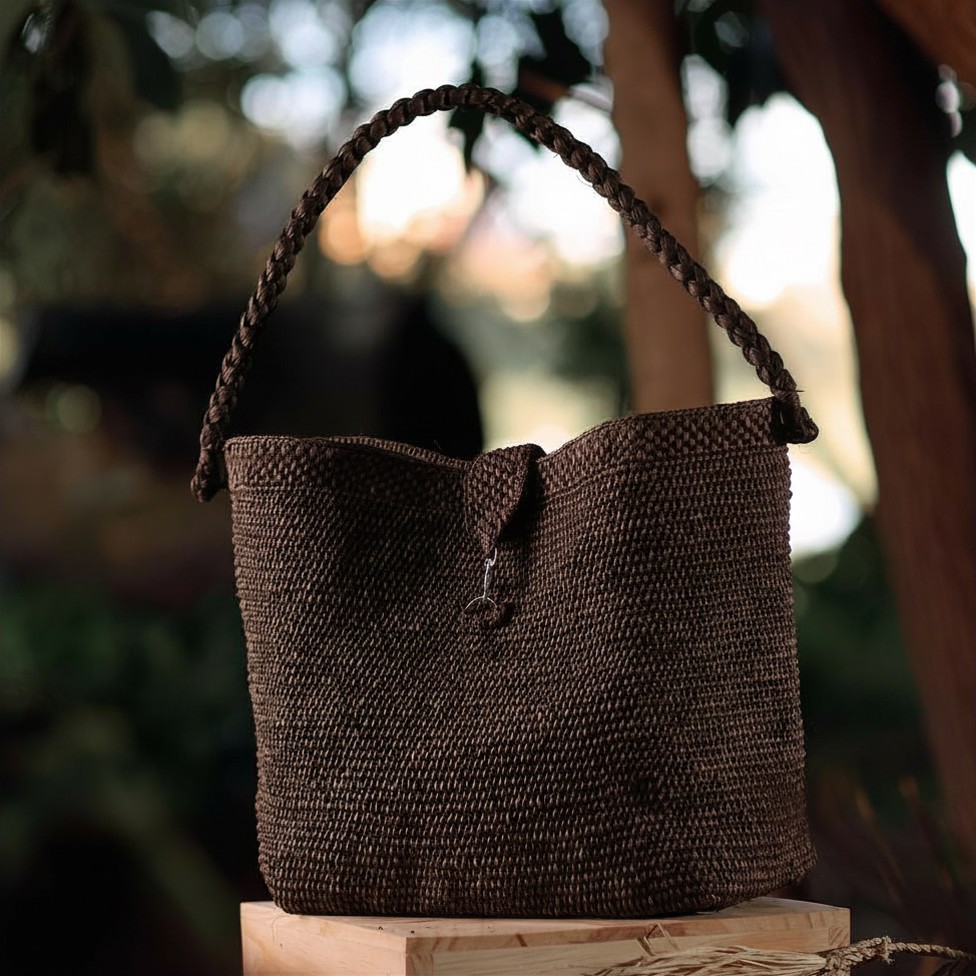
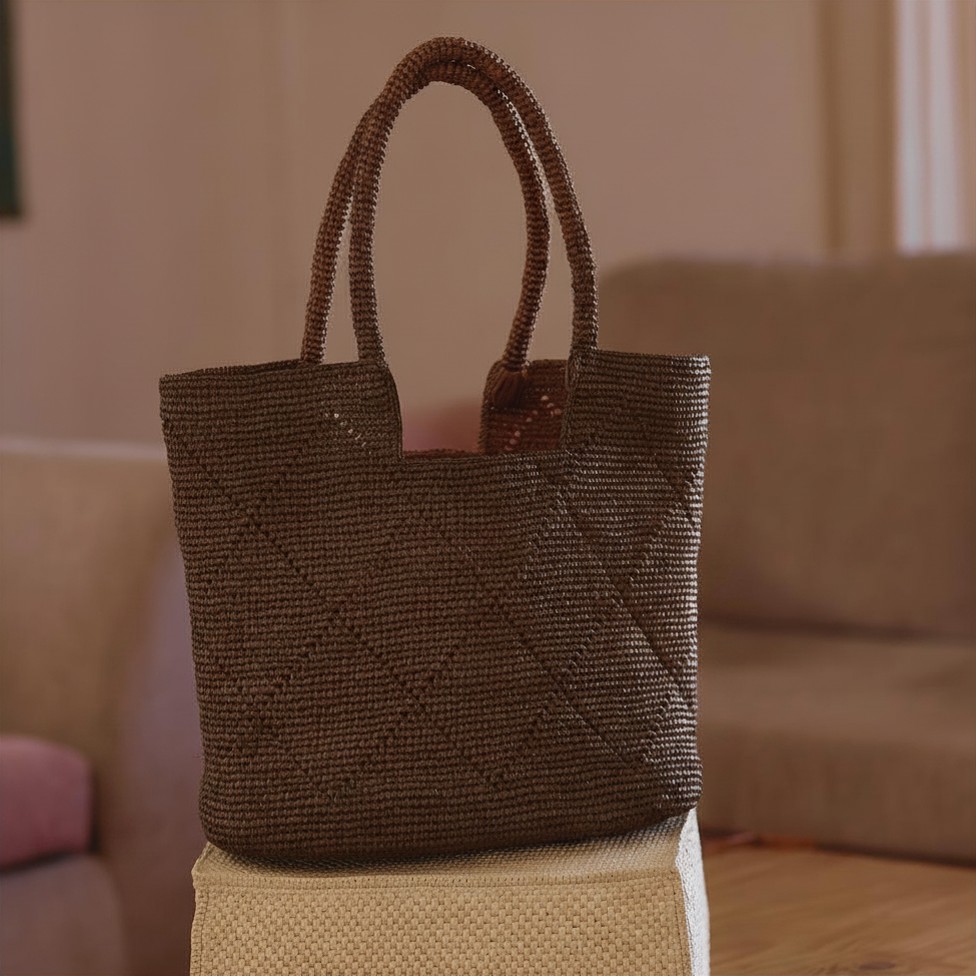
Raffia, Madagascar’s iconic natural fiber, has been used for centuries as a craft material in basketry, weaving, and the creation of unique accessories. But today, in a world where sustainability and innovation meet, a new question arises: could raffia enter the world of smart bio-textiles?
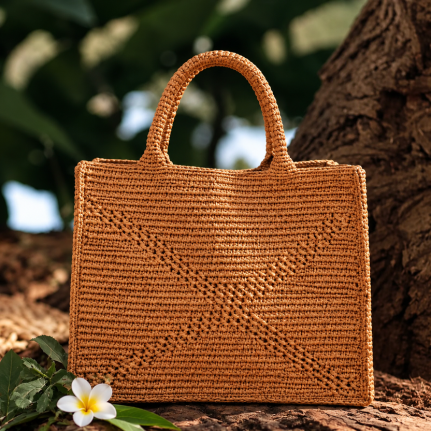
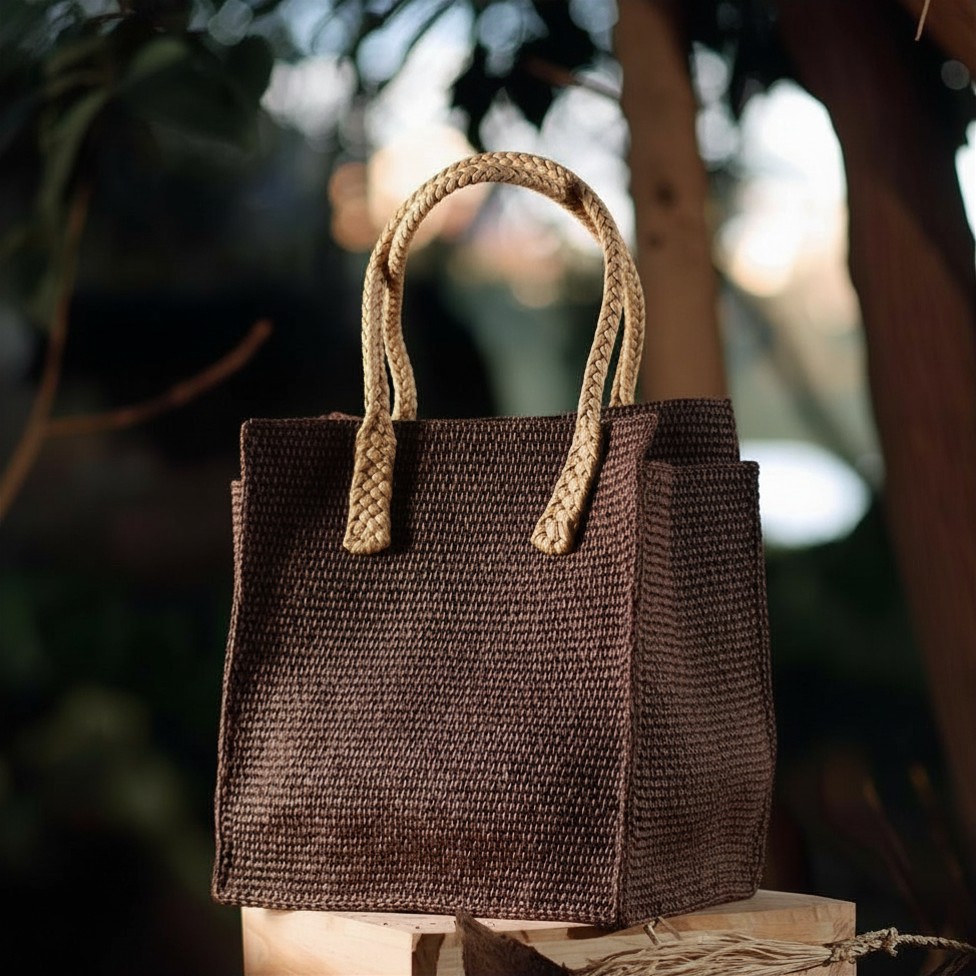
At BLESSED, we explore the potential of this fiber every day through our bags and accessories. This reflection naturally leads us to consider the future of raffia from a new angle, where tradition and technology could come together.
What is a smart bio-textile?
Before imagining what raffia could become, it is important to understand what is meant by the term “smart bio-textile.” These materials combine two major strengths:
- Natural, sustainable, and environmentally friendly fibers.
- And innovative technologies capable of making fabric interactive or protective.
In other words, smart bio-textiles are not just fabrics to wear, but functional allies designed to improve everyday life. It is in this meeting of nature and innovation that raffia could find a promising place.
Raffia: a traditional fiber with unique properties
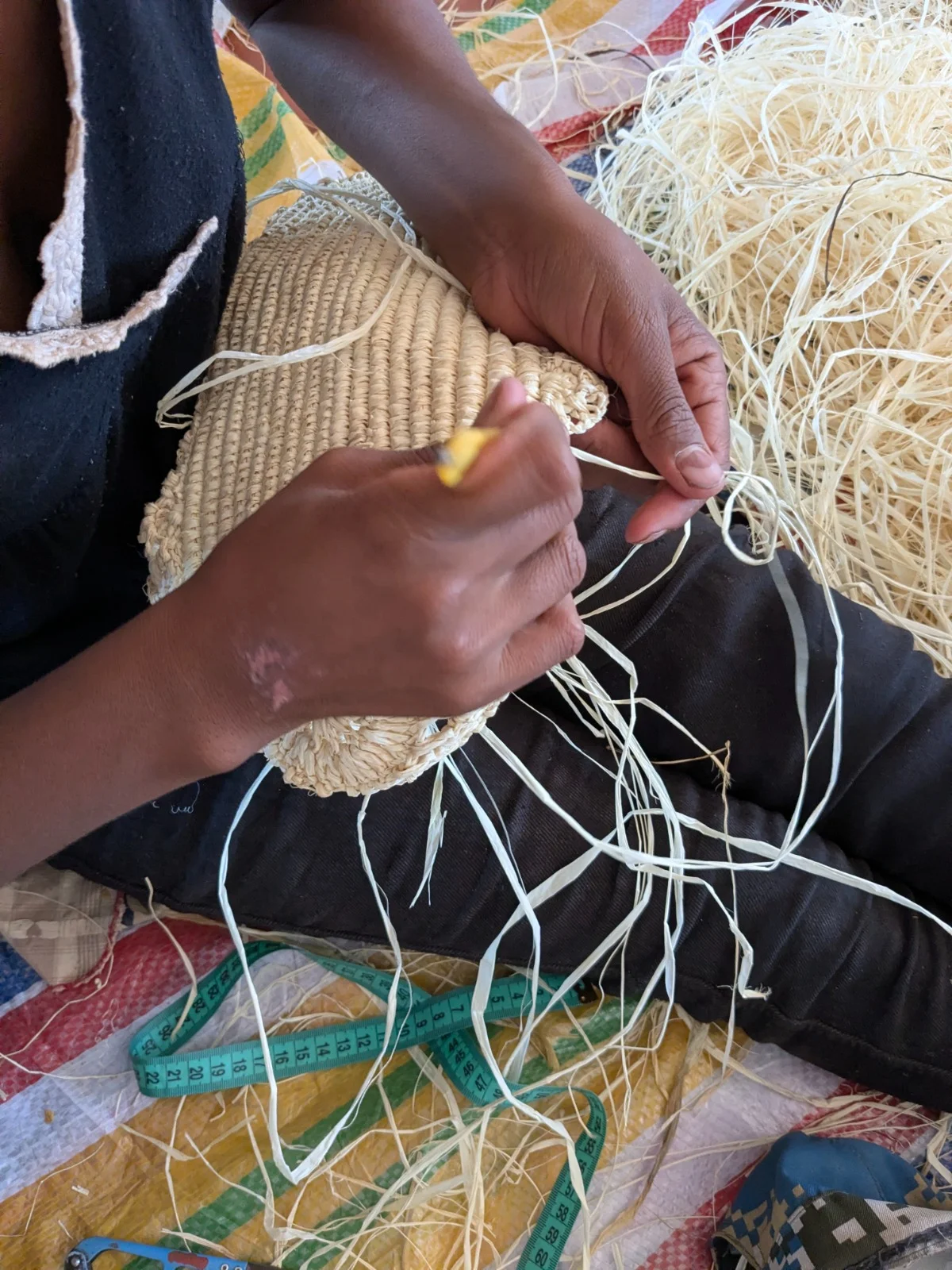
Raffia has been popular for generations due to its intrinsic qualities: strong, biodegradable and a strong cultural identity.
It is this authenticity that we already value at BLESSED, transforming it into bags and accessories that are elegant.
-> Learn more about traditional raffia fiber
But behind this traditional image lies untapped potential. The fiber is strong and durable, and more rigid than cotton or linen, which are already used in certain bio-textiles thanks to their flexibility. The question is therefore clear: how can we overcome this limitation to pave the way for more technological applications?
The market for smart bio-textiles: when craftsmanship meets innovation
The market for smart bio-textiles is where things get really exciting. Raffia, long associated with craftsmanship, could open up new horizons thanks to innovation. Several avenues are emerging:
- Hybridizing fiber with other materials to increase flexibility.
- Or imagine textiles that can react to light, heat, or even humidity.
Want to know more? Check out our section on “The raffia market: between fair trade and greenwashing.”
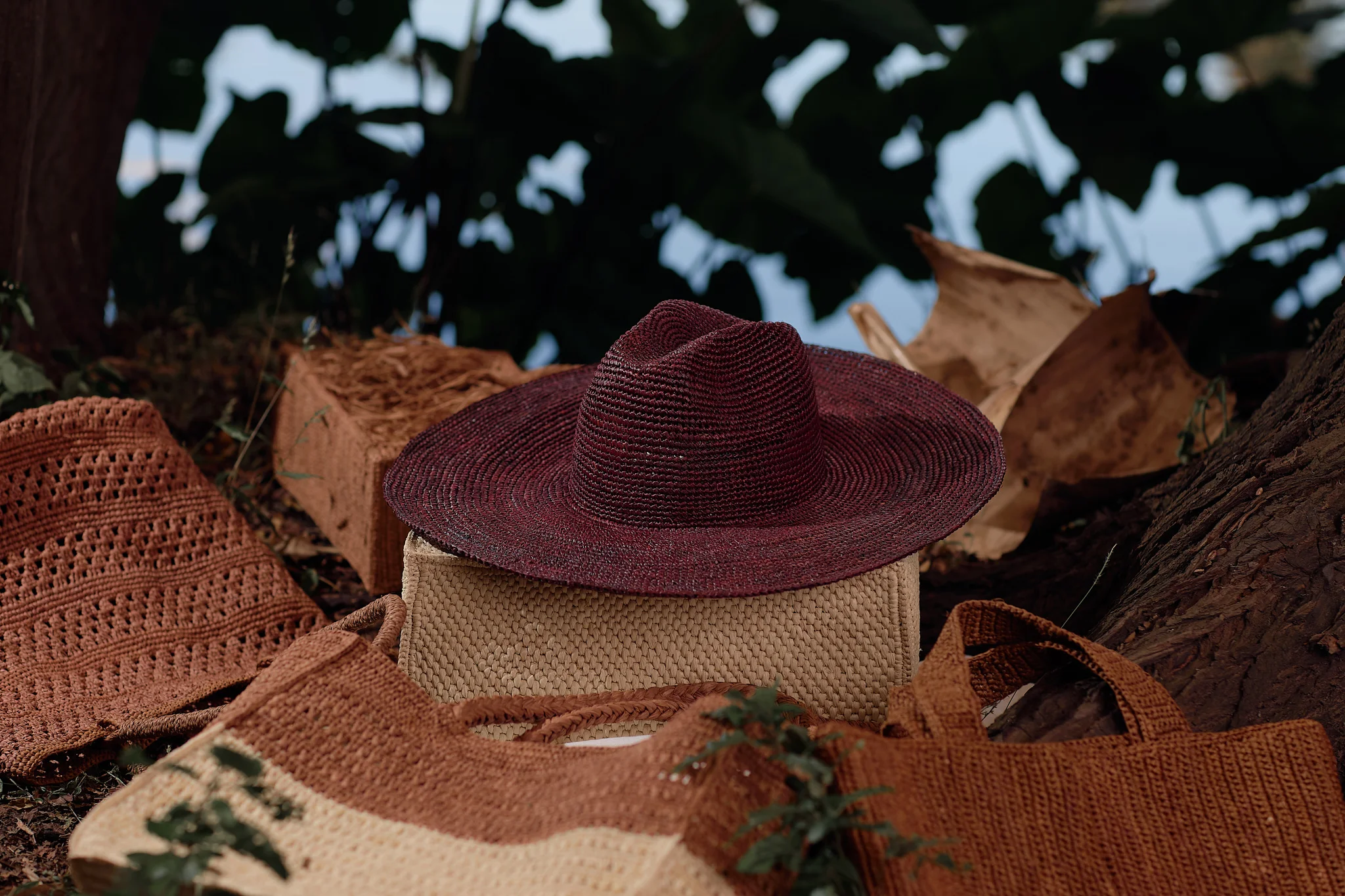
These innovations would not only be technical feats: they could reinvent the value of raffia, transforming it into a medium for new uses. What if tomorrow, a raffia bag by BLESSED also became a connected object, combining tradition and modernity? In the meantime, don’t miss our unique creations: crocheted raffia, rabanes, woven sisal. These are our masterpieces in Malagasy craftsmanship and Malagasy crochet.
-> Together, they answer this question: Why does Malagasy handicraft appeal to the whole world?
The advantages of “smart” raffia
Such a development would not be merely a passing trend. It would pave the way for real benefits:
- Environmentally friendly, offering a sustainable alternative to polluting fibers.
- Cultural, by breathing new life into ancestral know-how.
- Economical, by creating an innovative niche in fashion and responsible design.
Beyond fashion, we can even imagine applications in interior design (smart furniture made from natural fibers) or in healthcare (breathable and protective textiles).
Thus, raffia could become much more than a natural fiber: a symbol of the meeting between heritage and the future. A better result that will mark raffia around the world: from Africa to Asia.
Raffia in smart bio-textiles: challenges and prospects
Of course, this path is not without obstacles. Transforming a fiber as specific as raffia requires rethinking industrial processes, mobilizing research, and convincing consumers.
But every challenge is also an opportunity. The trend toward slow fashion and the circular economy is already creating fertile ground for this type of thinking. In this context, Madagascar could play a pioneering role: by promoting a local resource and linking its craftsmanship to high technology, the country could become a global benchmark in the field of smart bio-textiles.
The US market for smart bio-textiles: booming demand
In the United States, the market for smart bio-textiles is growing rapidly, driven by the rise of sustainable fashion and wearables (connected textiles incorporating sensors). Major brands such as Nike and Levi’s, as well as numerous startups, are investing in textile solutions that are both innovative and eco-friendly. In this context, natural fibers such as raffia are attracting growing interest because they offer a biodegradable alternative to synthetic fibers.
Raffia as a sustainable fiber in American innovation
Do you still think that raffia from Madagascar is only used locally? Think again! Its qualities—strength, flexibility, and 100% natural character—are attracting American players in the sustainable textile industry. Combined with smart technologies (heat sensors, interactive textiles), it could be used to create innovative clothing while reducing carbon footprints. What’s more, the United States, which is heavily involved in research into bio-based materials, sees raffia as a way to combine traditional craftsmanship with high technology.
-> For more information, see our article on Raffia and bioplastics.
Opportunities for raffia producers in relation to the United States
The US market represents a major opportunity for raffia-producing countries such as Madagascar. The integration of this fiber into smart bio-textiles could generate new commercial opportunities beyond traditional crafts and fashion. However, to attract American players, it will be necessary to guarantee ethical traceability and avoid any risk of greenwashing. Fair trade and sustainable certified raffia could become a strong argument for conquering this demanding market
Conclusion
Ultimately, the question may not be “can raffia be used in smart bio-textiles?” but rather “when and how are we going to do it?”
Raffia has always been steeped in tradition and creativity. By incorporating technology, it could also embody a vision for the future. At BLESSED, we see this fiber as promising: promising creations that will remain beautiful and durable… but could also be smart tomorrow.