


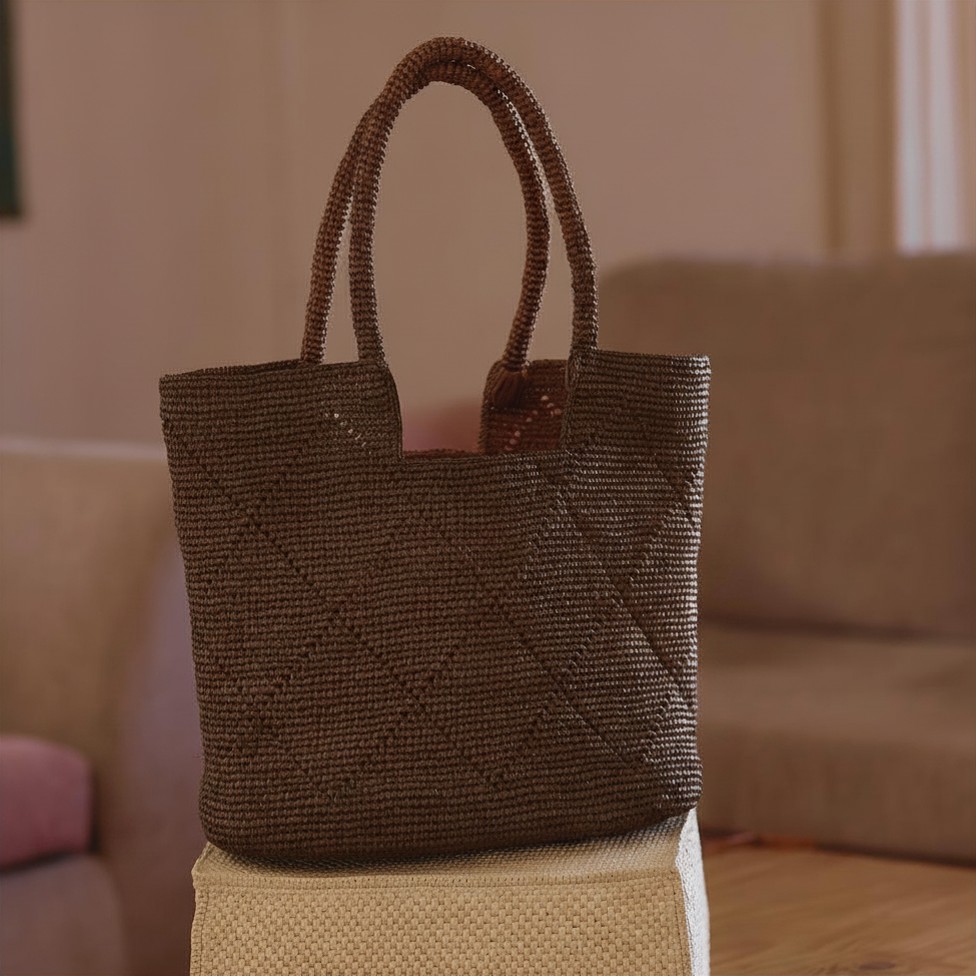
Raffia, a precious natural fiber used in fashion, crafts, and decoration, is much more than just a material : it embodies ancestral know-how and is a vital economic resource for many producing countries, particularly Madagascar.
At BLESSED, where we create raffia bags and accessories, we see every day how this material is steeped in history and challenges. Understanding the impact of trade agreements on its price gives us a better grasp of the issues at stake in global trade. It also highlights the work of the artisans who transform it into unique pieces : discover, for example, how raffia craftsmanship enhances your culinary creations.
Raffia : a local resource with global uses
Before delving into commercial mechanisms, it is important to remember that raffia is first and foremost a living resource, cultivated in tropical environments and shaped by expert hands. It has a long journey : from harvest in rural areas to fashion shows and boutiques in major international cities.
- For local communities, it represents an important source of income.
- For artisans and designers, it is synonymous with eco-friendly, attractive, and durable material.
It is this dual identity, both local and global, that makes its price particularly sensitive to trade agreements.
- Find out more about the secrets of raffia
Trade agreements : economic drivers or obstacles ?
While raffia is a universal fiber, its access to global markets depends on a very specific framework : trade agreements. These agreements are not mere legal texts; they are powerful economic levers capable of supporting or hindering an entire sector.
- Customs duties (taxes)
- Export quotas
- Quality and traceability standards
In other words, these agreements are like doors : sometimes wide open, sometimes heavily locked. They therefore have a direct impact on the price of raffia. For example, under the African Growth and Opportunity Act (AGOA), certain African products enjoy preferential access to the US market, which can boost the competitiveness of a fiber such as raffia.


The role of taxes and customs duties
Among these levers, taxes and customs duties are the most visible. They act as a kind of filter : the higher they are, the more expensive raffia becomes for the end consumer.
- If taxes are high, the final product also becomes more expensive.
- If agreements facilitate trade, raffia circulates more freely and remains competitive.
This explains the sometimes striking differences in price between a bag sold locally in Madagascar and the same product sold in Europe or the United States.
Quality standards and traceability : between opportunity and constraint
But beyond taxes, other factors directly influence the price of raffia : the standards and certifications required for export. Today, traceability, eco-labels, and ethical certifications are becoming essential standards.
- Opportunity : These requirements enhance raffia’s value as a sustainable, high-end product.
- Constraint : they represent an investment for local producers and artisans.
Logistics and transportation costs : an often overlooked factor
In addition to agreements and standards, a more pragmatic factor also has a significant impact on the price of raffia : logistics. Transportation costs, particularly maritime transport, can weigh heavily in the balance. During the COVID-19 pandemic, for example, freight prices skyrocketed, making many African handicrafts much less competitive on international markets.
Thus, even though trade agreements open up opportunities, these opportunities can be hampered by logistical constraints that are difficult for producers to overcome.
Currency fluctuations and trade balance
In addition to these rules, there is a factor that is often invisible to the general public : currency fluctuations. Behind every transaction lies a currency exchange that directly influences the final price.
- A devalued local currency can make raffia attractive for export.
- But it increases production costs for those who import tools and equipment.
Trade agreements therefore set the framework, but their effectiveness also depends on the monetary and financial conditions under which trade takes place.
Towards textile sovereignty thanks to raffia ?
All these realities raise an important question : how can producing countries make better use of their resources ? Raffia should not just be an exported raw material, but a springboard for true textile sovereignty.
Developing local transformation, as we do at BLESSED by creating bags and accessories directly in Madagascar, adds value to the product and ensures that the wealth generated benefits artisans and communities more.
Madagascar, global hub for raffia trade
Madagascar occupies a central place in the international raffia market. The country is recognized as the world’s leading producer and exporter, supplying a raw material that is highly prized for fashion, crafts, furniture, and sustainable textiles. The abundance of raffia palms, mainly concentrated in the east and north of the island, makes it a strategic resource for international players. Thanks to trade agreements with the European Union and certain Asian countries, raffia of Madagascar benefits from favorable export conditions, strengthening its competitiveness against other natural fibers on the global market.
However, raffia prices in Madagascar remain heavily dependent on customs agreements and export taxes. Fluctuations linked to trade negotiations, international standards (such as fair trade and sustainable development), and growing demand in Europe and Asia directly influence the incomes of local producers. These dynamics show that Madagascar is not only a supplier but also a strategic player in setting global raffia prices.
Blessed Raffia, an actor committed to promoting raffia of Madagascar
BLESSED RAFFIA continues Madagascar’s central role in the global raffia market. By promoting a unique natural resource, the company showcases artisanal creations : bags, clutches, hats and baskets that combine tradition and modernity. Thanks to the quality of Malagasy raffia and local expertise, BLESSED RAFFIA acts as a bridge between Malagasy artisans and international markets, responding to growing demand for sustainable and authentic products. The trade agreements signed by Madagascar with Europe and Asia enable the brand to offer its products at competitive prices while guaranteeing transparent traceability.
Beyond trade, BLESSED RAFFIA contributes directly to local socioeconomic development. Each exported product reflects not only Madagascar’s cultural richness, but also a value chain that supports rural raffia-producing communities. By taking advantage of the opportunities offered by international trade agreements, the brand is strengthening its impact by creating jobs, stabilizing incomes, and contributing to the global recognition of raffia as a natural fiber of the future. Thus, BLESSED RAFFIA does not just sell accessories, but has become an ambassador for Malagasy craftsmanship and fair trade.
- Let yourself be seduced by the world of our raffia
- Discover the origins and history of raffia
Conclusion
The price of raffia is not simply an economic factor. It reflects a complex system involving trade policies, international standards, logistics, and monetary dynamics. These agreements can sometimes open up opportunities, but they can also complicate life for producers and artisans.
At BLESSED, we choose to turn these constraints into strengths : each raffia creation becomes a symbol of responsible fashion, a fairer economy, and valued craftsmanship.
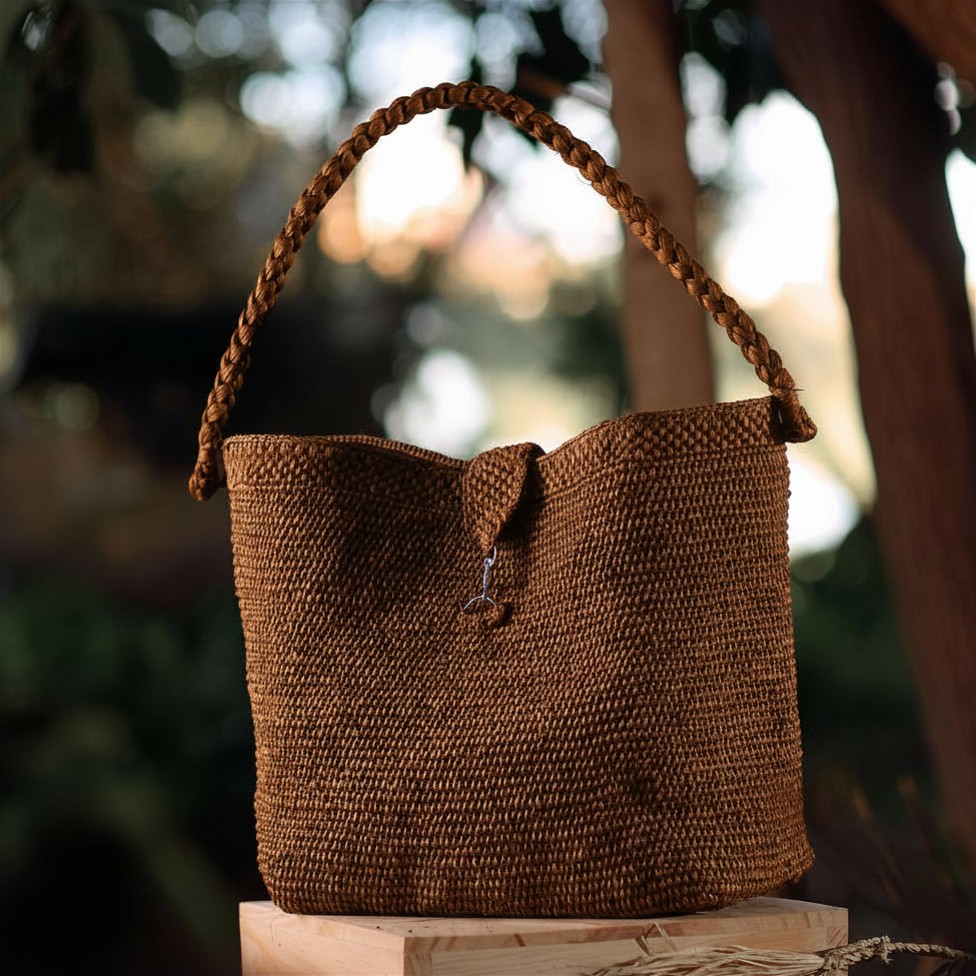

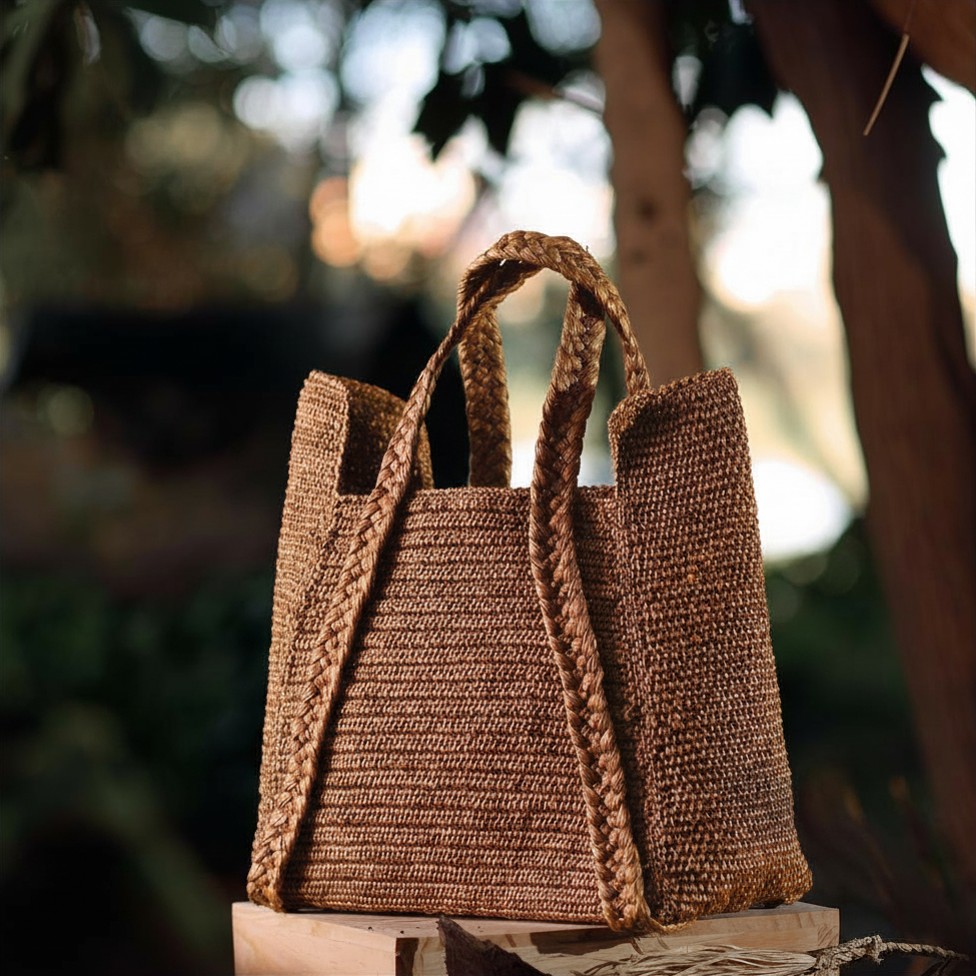
From raw raffia to finished bag: inside a malagasy artisan workshop
Behind every raffia bag lies a story. A story of…
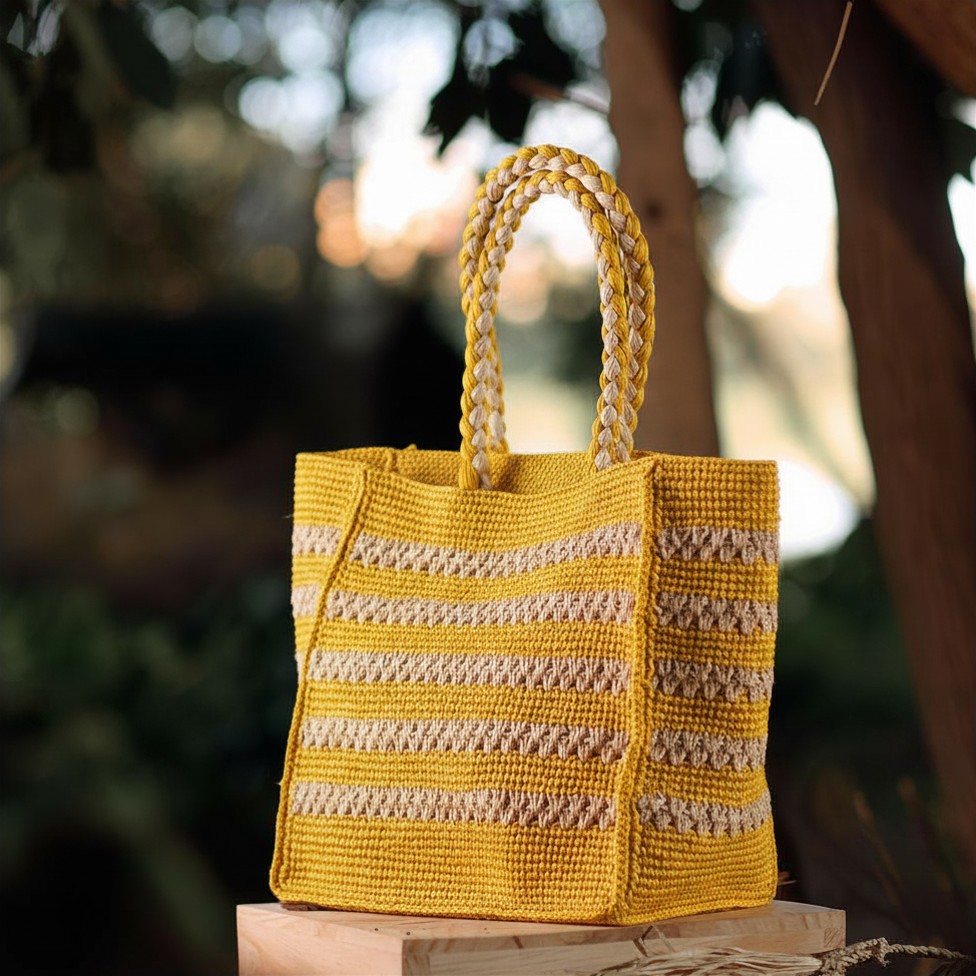
From raw material to accessory: the artisanal creation journey
Before becoming a bag, hat, or clutch, every handmade accessory…
How to protect your raffia bags and accessories in the rain?
At BLESSED, we create much more than just bags: our…