



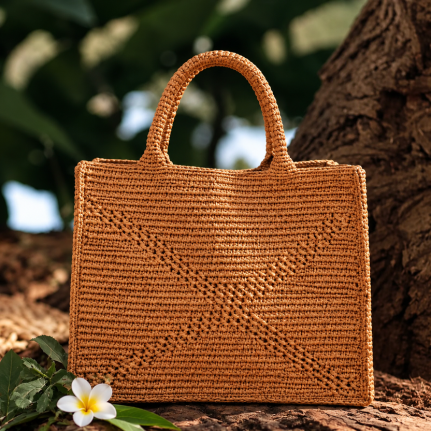
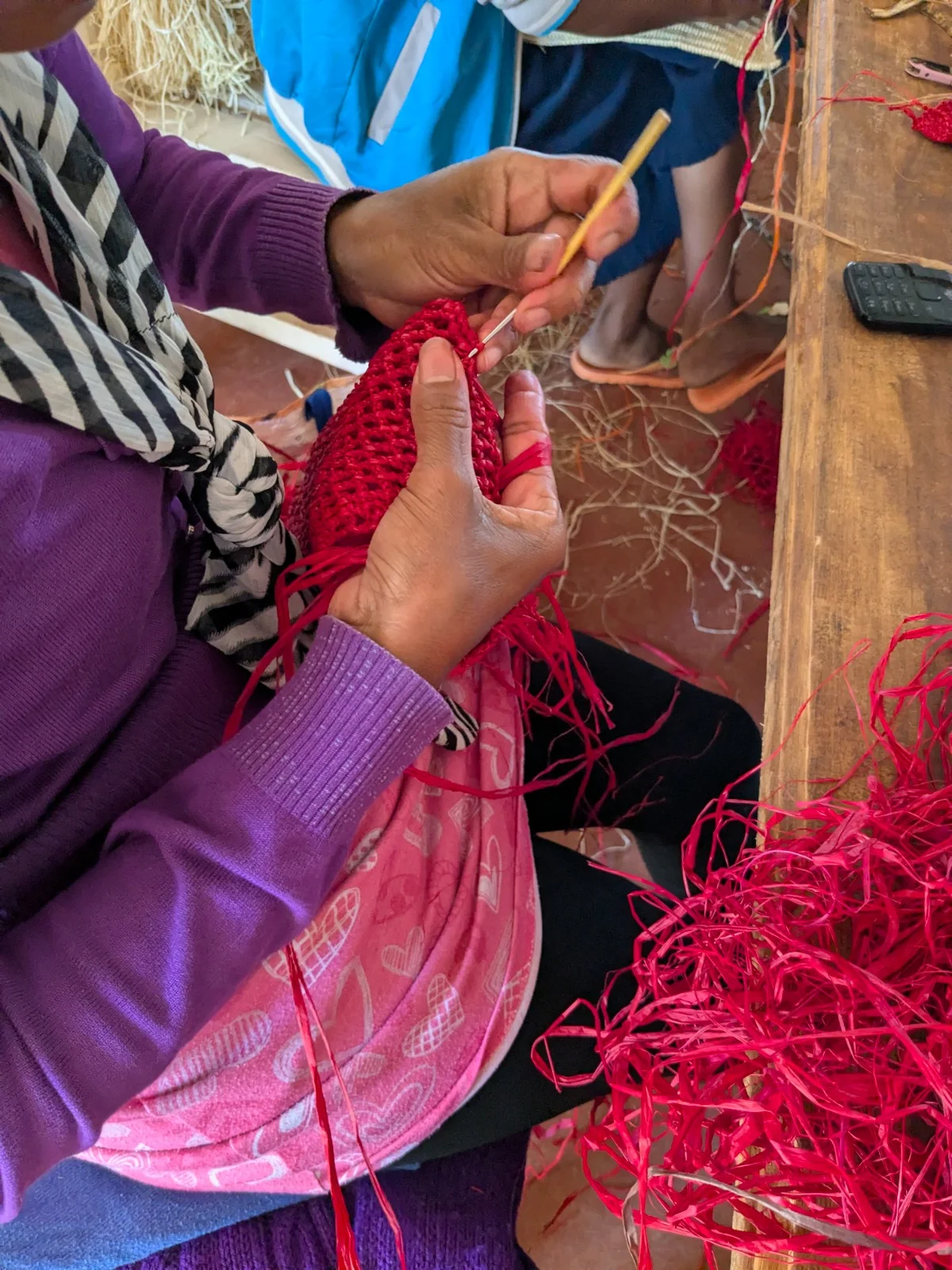
A symbol of authenticity, tradition, and creativity, raffia is a natural fiber derived from palm trees that has been used for centuries. Used to make bags, hats, mats, decorations, and fashion items, it has become an essential material in the crafts of countries such as Madagascar, the Philippines, and certain regions of Africa.
Beyond its aesthetic appeal, it also represents an important source of income for many families and embodies a cultural heritage passed down from generation to generation.
But with globalization and the constant search for cheap products, artisans are facing a growing threat : counterfeiting. Synthetic, industrially manufactured products are flooding the market, passing themselves off as genuine raffia.
Counterfeits : a silent but powerful danger
Before considering solutions, it is first necessary to understand the nature of the problem. Raffia counterfeiting takes several forms: synthetic fibers, mass-produced industrial items, and fraudulent imports.
These imitations are appealing because of their attractive prices and accessibility, but behind this apparent opportunity lies a real danger for artisans and their expertise.
The impact of counterfeiting
The consequences are not only economic : they also affect culture and the environment.
1. An economic threat
For many artisans, the sale of raffia is their main source of income. However, faced with unfair competition from low-cost copies, they struggle to promote their work. Little by little, this precarious situation is even discouraging younger generations from entering the profession.
2. A cultural threat
But the problem does not end there. Working with raffia is not just an economic activity : it is a heritage, an identity. Each creation carries a story within it. When copies dominate the market, this authenticity is overshadowed, threatening the transmission of a precious intangible heritage.
3. An environmental threat
And as if that weren’t enough, nature itself is paying the price. Unlike natural raffia, which is biodegradable and environmentally friendly, counterfeits are often made of plastic. The result : more waste, more pollution, and a vicious cycle that moves away from the ecological values of craftsmanship.
Why are counterfeit goods so appealing ?
It is no coincidence that these imitations have become so popular. Their unbeatable price is a compelling argument for consumers who are sometimes poorly informed. Furthermore, their resemblance to natural raffia can easily be misleading, especially in the absence of labels or reliable certifications. Finally, the widespread distribution of these fake products in local markets and online further increases their visibility.
How can we protect artisans and promote genuine raffia ?
Fortunately, there are several courses of action that can be taken to address this worrying situation. These involve institutions, consumers, and, above all, the artisans themselves.
1. Establish labels and certifications
The creation of labels such as “100% natural raffia” could be a first line of defense against counterfeits. With certificates or QR codes tracing the origin of products, customers could buy with confidence. Some regions could even benefit from a Protected Geographical Indication (PGI), as already exists for certain artisanal products elsewhere in the world.
2. Raise awareness and educate consumers
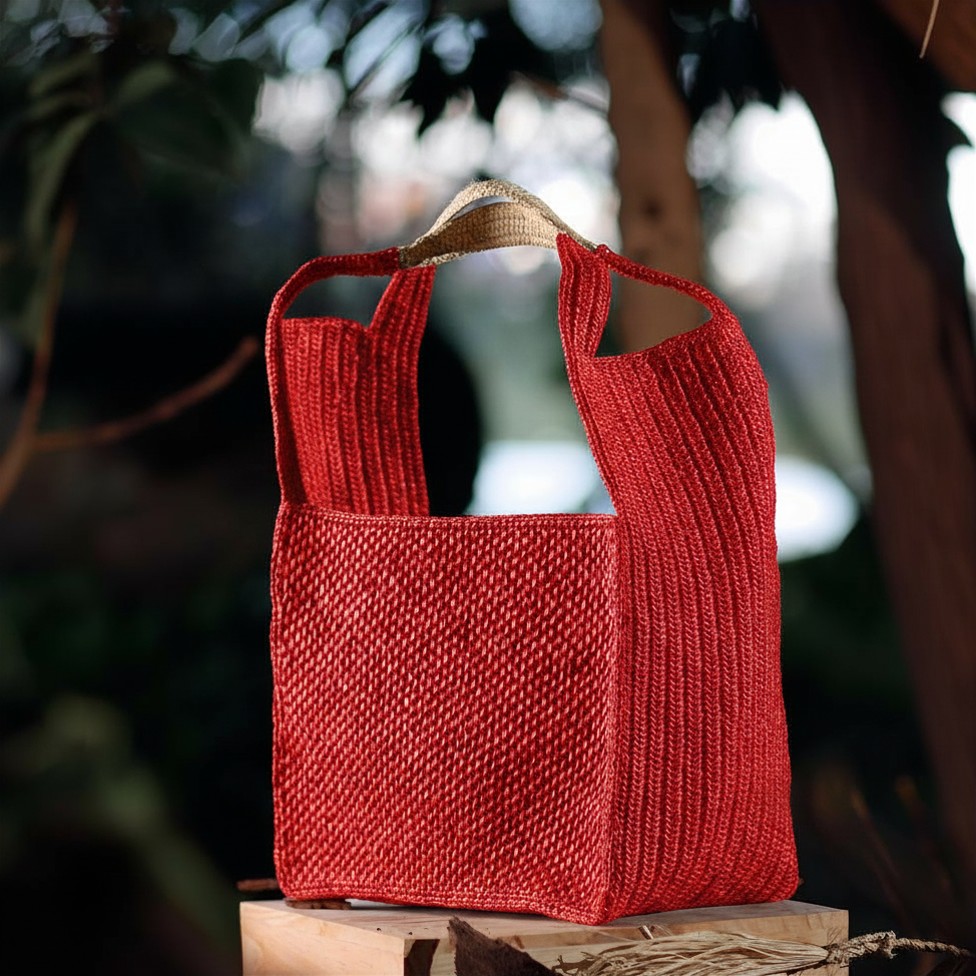
But labels alone are not enough. Consumers must also be able to recognize the value of an authentic product. Educating consumers about the differences between real raffia (flexible, fibrous, biodegradable) and synthetic imitations is essential to encouraging more responsible choices.
3. Strengthen laws and controls
The fight must also be waged at the legal level. Prohibiting misleading claims, monitoring imports, and protecting artisanal creations through intellectual property rights are all measures that can curb the spread of counterfeits.
4. Directly supporting artisans
Finally, artisans themselves must be supported. Cooperatives, training in digital marketing, platforms specializing in fair trade crafts… These initiatives would enable them to gain visibility, competitiveness, and recognition without sacrificing the authenticity of their craftsmanship.
Conclusion
Raffia is not just a fiber : it reflects ancestral know-how, cultural identity, and a sustainable economy. But counterfeits threaten to disrupt this fragile balance.
Protecting artisans means defending much more than just a profession : it means supporting a vision of a fairer, more respectful, and more sustainable world. Governments, brands, and consumers all have a role to play in preserving this heritage.
What if tomorrow, every raffia item became not only a trendy accessory, but also a global symbol of the fight against counterfeiting and support for artisans ?
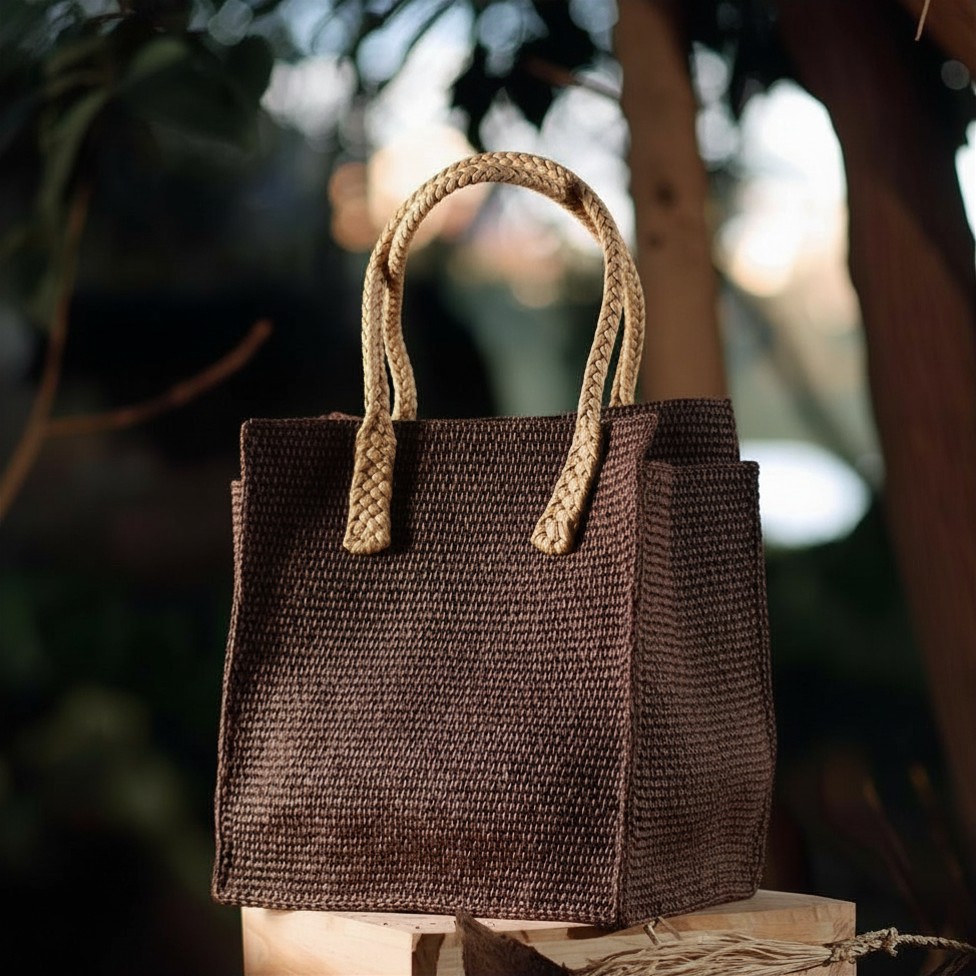
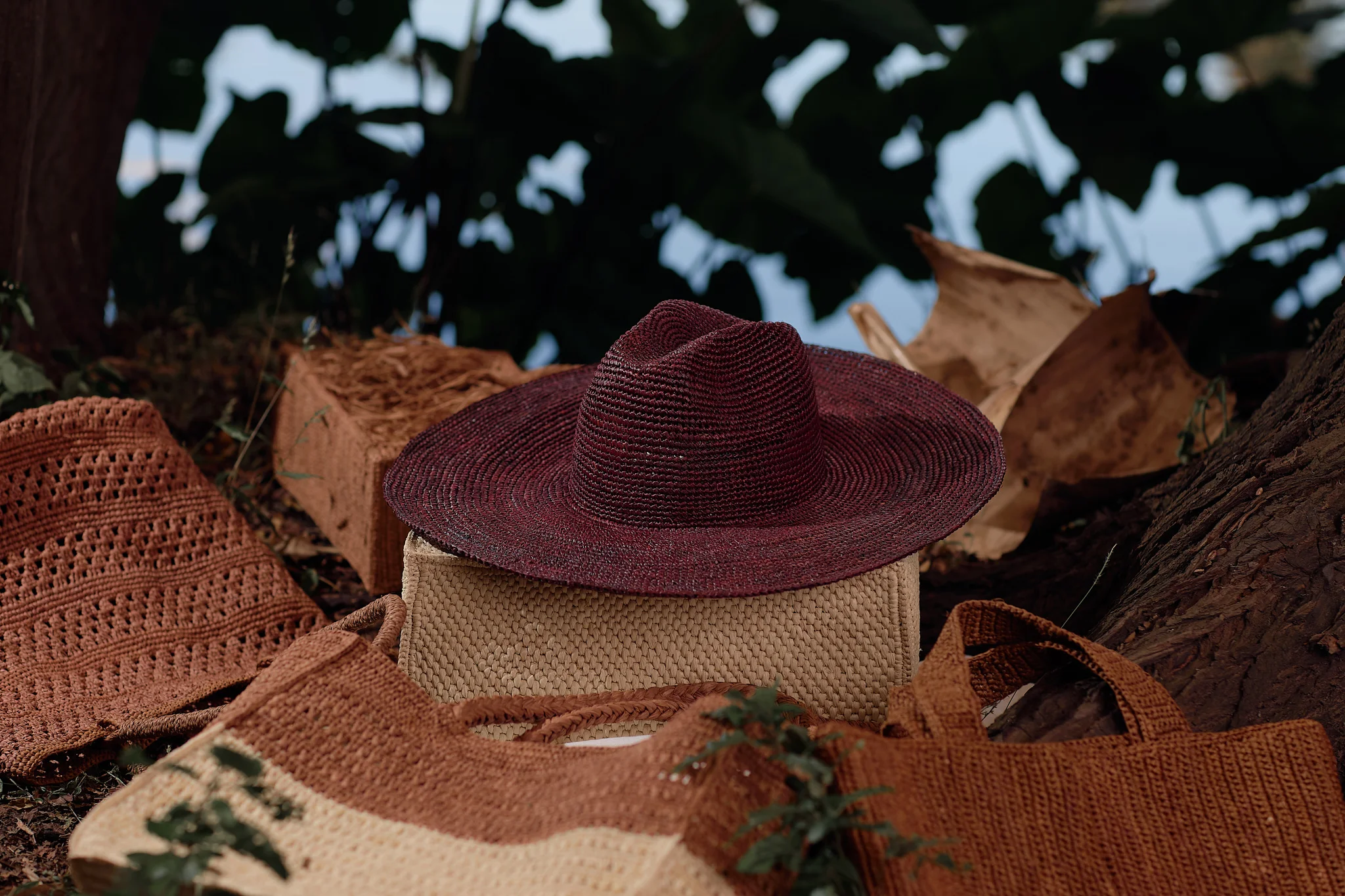
Why is raffia making a strong comeback in international fashion in 2026?
Long associated with local craftsmanship or summer accessories, raffia is…
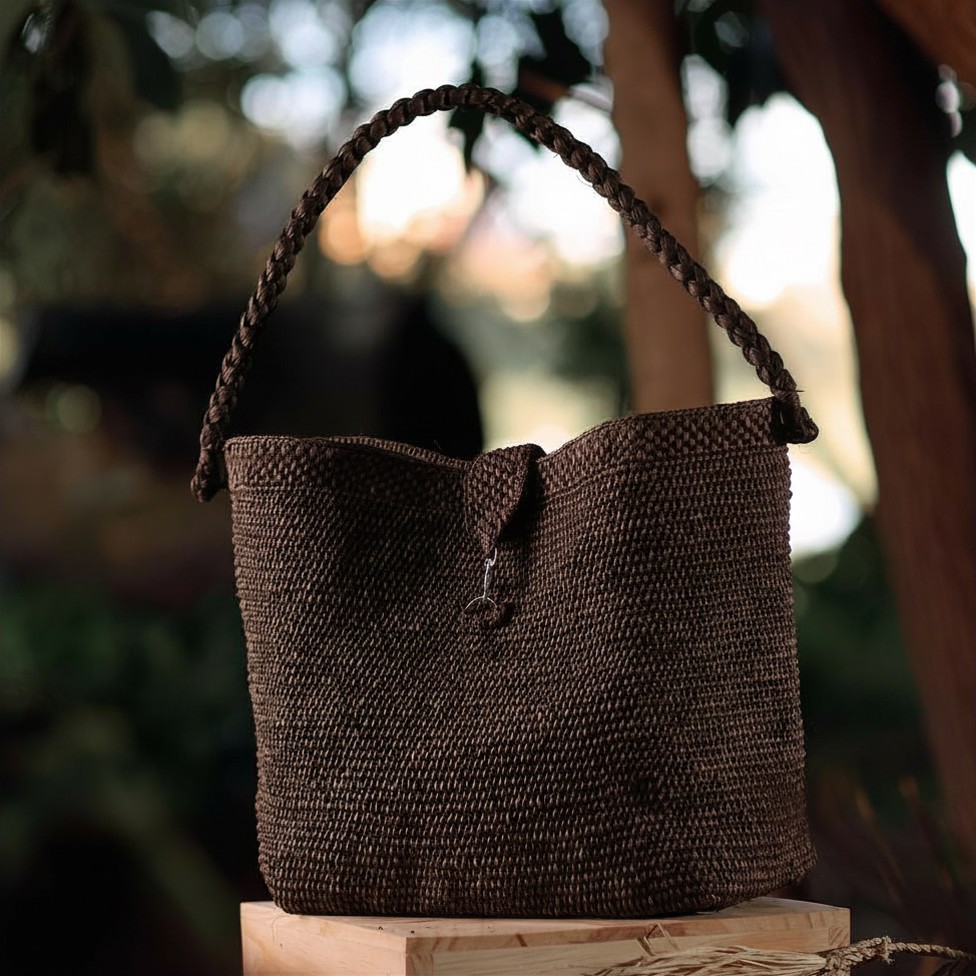
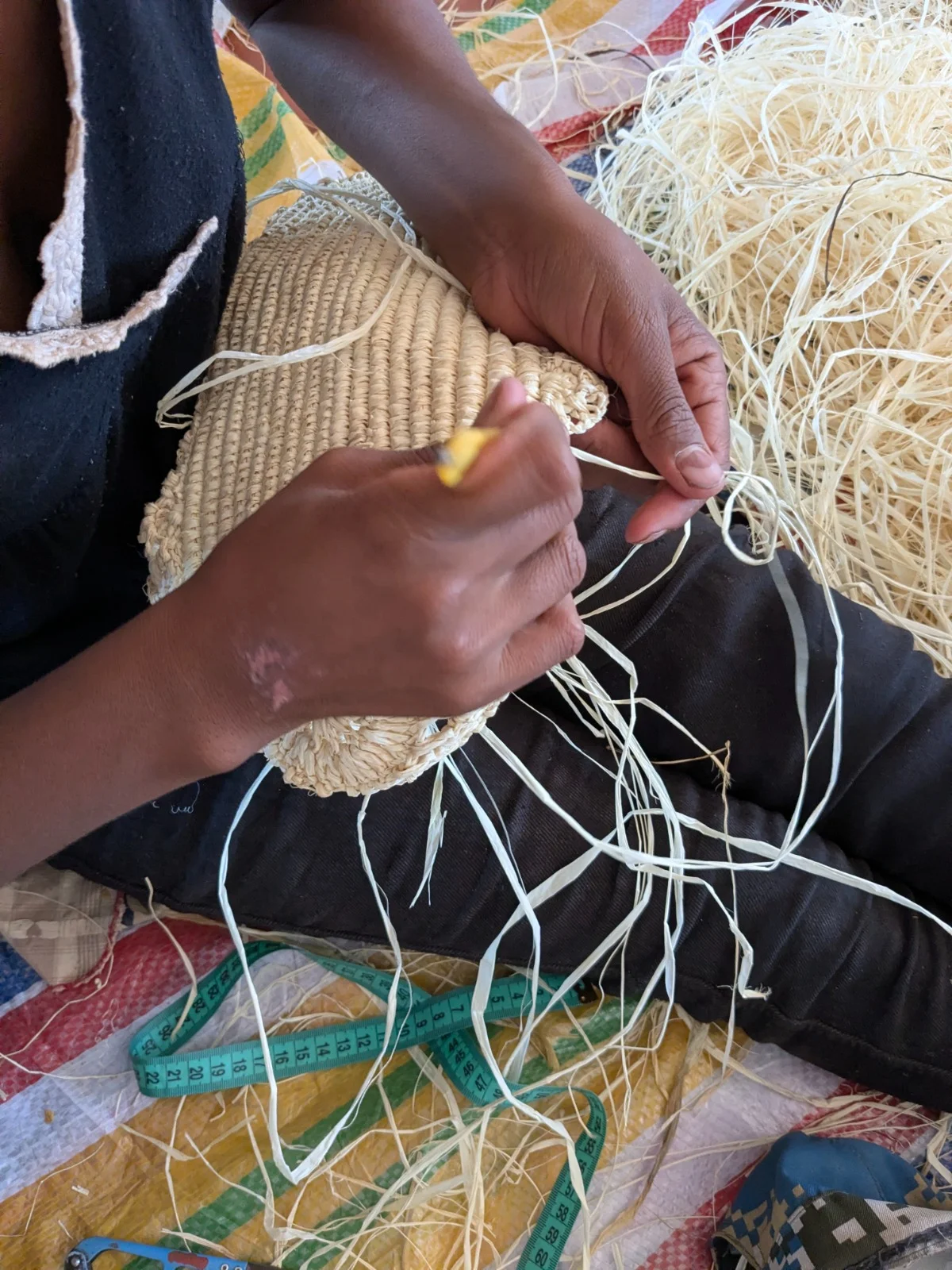
Behind a BLESSED accessory: the hands that create
Before becoming a bag, a basket or an accessory, every…
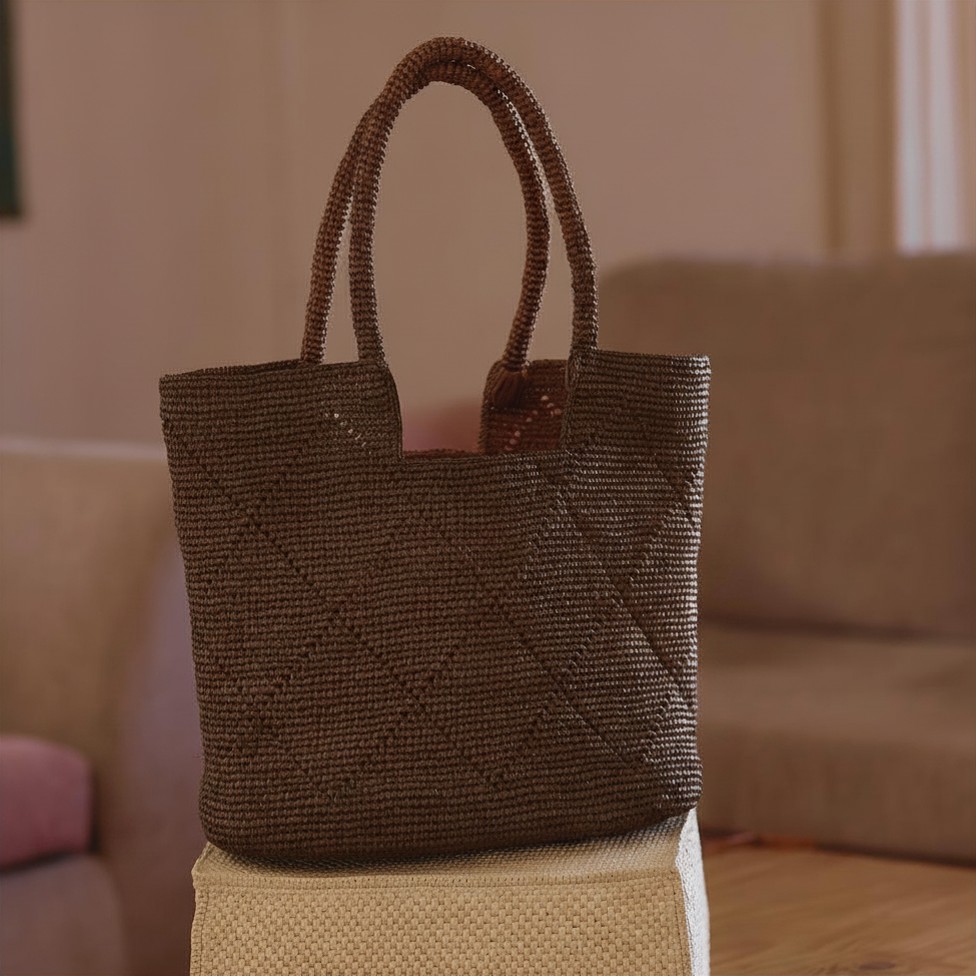
Handmade or machine-made: what consumers should know
In a world where everything moves fast, where industrial production…