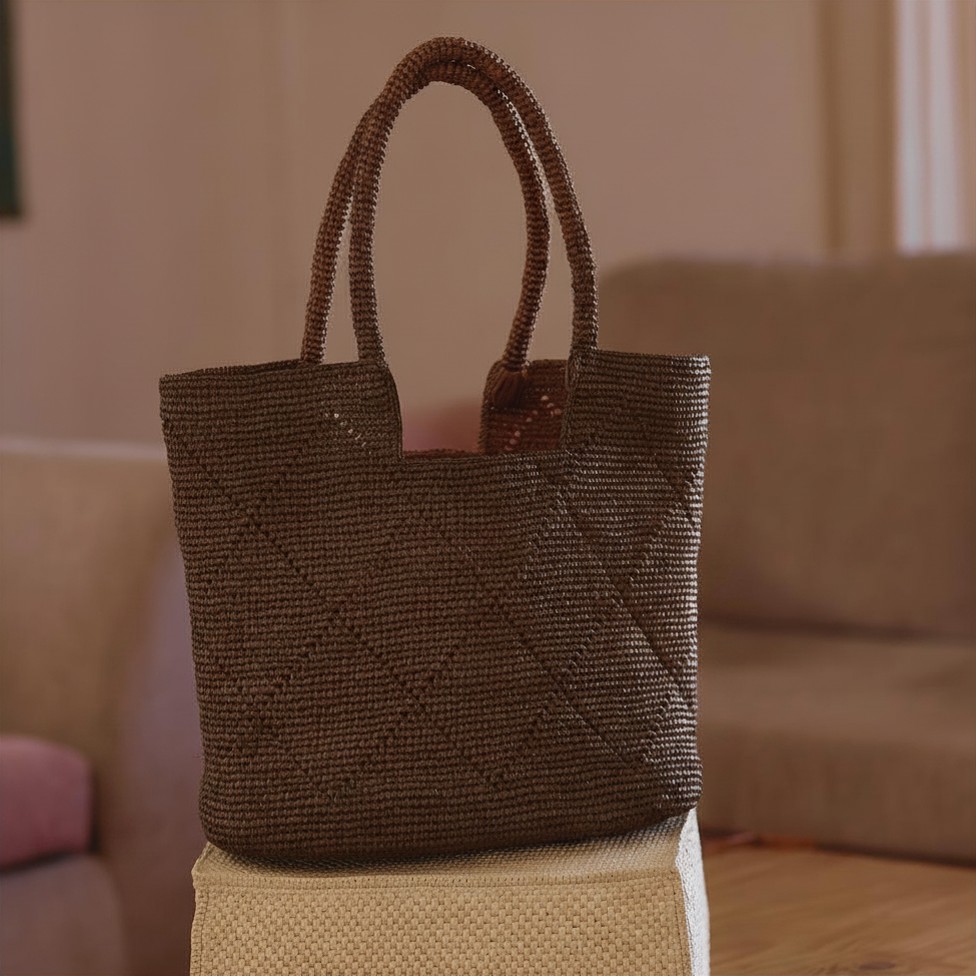
In a world where sustainability is becoming a priority, certain natural materials stand out for their ability to combine beauty, functionality, and environmental friendliness. Raffia is one of them.
Derived from a tropical palm tree, it is much more than just a fiber: it is a symbol of the harmonious relationship between nature and craftsmanship. At BLESSED, we believe that every raffia creation carries a promise: to preserve nature while promoting ancestral know-how.
The role of raffia in nature conservation
Raffia, a fiber with many natural virtues
Before understanding its role in reforestation, one must first grasp the richness of raffia itself.
This fiber comes from the long leaves of Raphia farinifera, a tropical palm tree widely found in Madagascar, a land of biodiversity and artisanal traditions.
Flexible, durable, and aesthetically unique, this natural material has always appealed to designers and artisans.
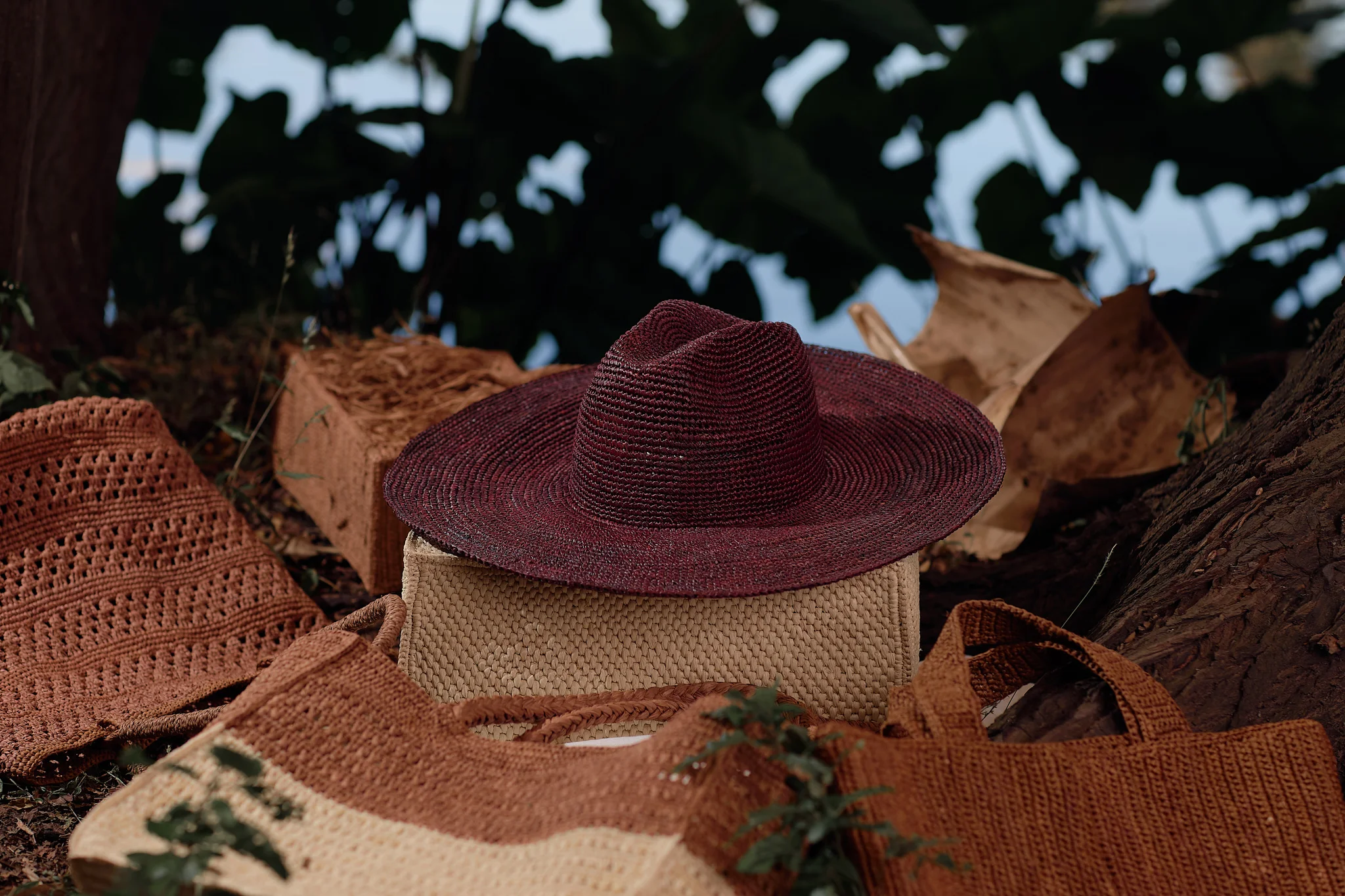
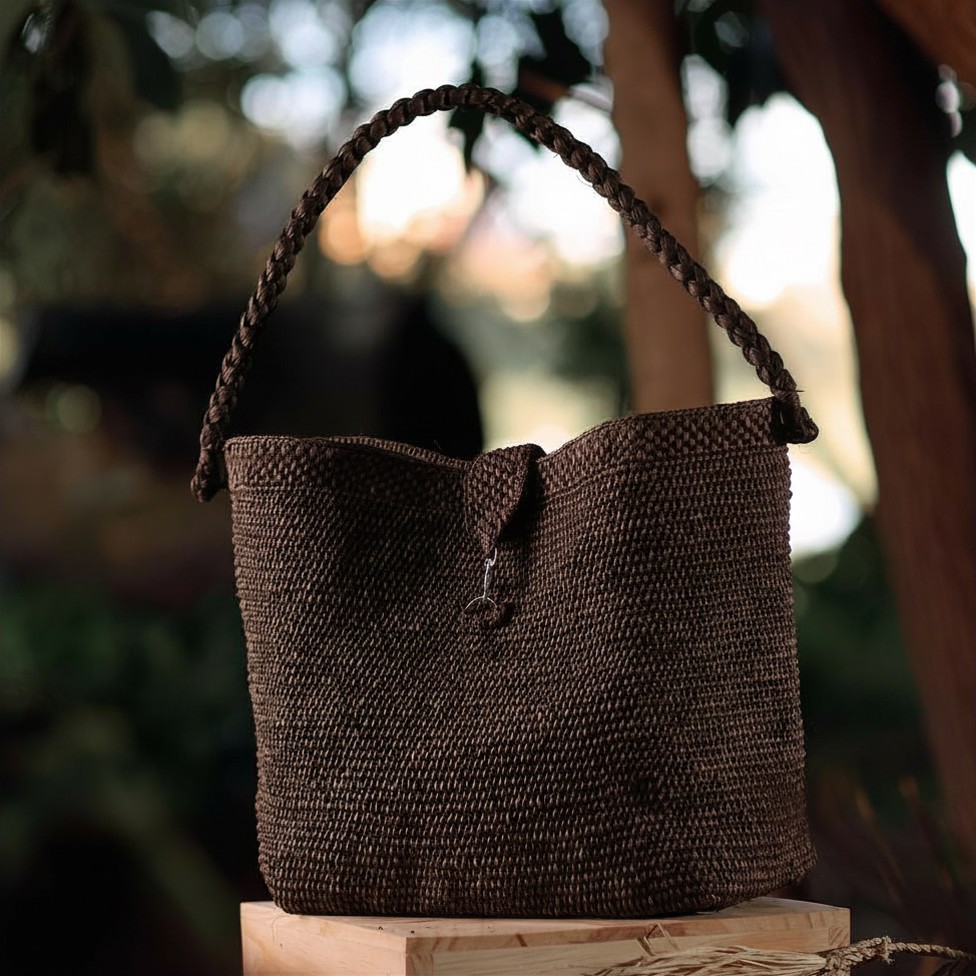
But its real strength lies elsewhere: raffia is 100% biodegradable and renewable. Unlike synthetic fibers, it decomposes naturally without harming the environment. Thus, every item made from raffia, whether it be a bag, a hat, or an accessory, becomes a concrete gesture for the planet.
And it is precisely this ability to protect what comes from nature that closely links raffia to reforestation.
When raffia becomes a driver of reforestation?
The history of raffia does not end with its use in crafts; it extends into the forests and wetlands of Madagascar.
In fact, when practiced sustainably, raffia harvesting encourages the planting and preservation of these palm trees.
The greater the demand for this natural fiber, the more incentive local communities have to maintain, protect, and replant raffia palms.
This process creates a virtuous circle: craftsmanship nourishes nature, and nature, in turn, supports craftsmanship.
Gradually, this dynamic contributes to reforestation, soil stabilization, and the return of lost ecosystems.
Thus, raffia is not just a resource: it is a silent contributor to environmental regeneration.
The virtuous circle of nature
To better understand this harmony, let’s imagine the complete cycle of raffia:
- Planting raffia palms helps to re-green wetlands and protect biodiversity.
- Responsible harvesting preserves the plant, allowing it to grow back naturally.
- Craftsmanship transforms raw materials into objects imbued with meaning and value.
- Conscious consumption encourages reforestation and supports local artisans.
Everything is connected.
Each step reinforces the next, creating a virtuous cycle in which humans and nature move forward together.
It is this model of balance that BLESSED champions through its eco-responsible approach and deep respect for living matter.
Brand that supports reforestation through raffia
BLESSED: when craftsmanship becomes an ecological act
At BLESSED, we see craftsmanship as a way to have a positive impact on our environment.
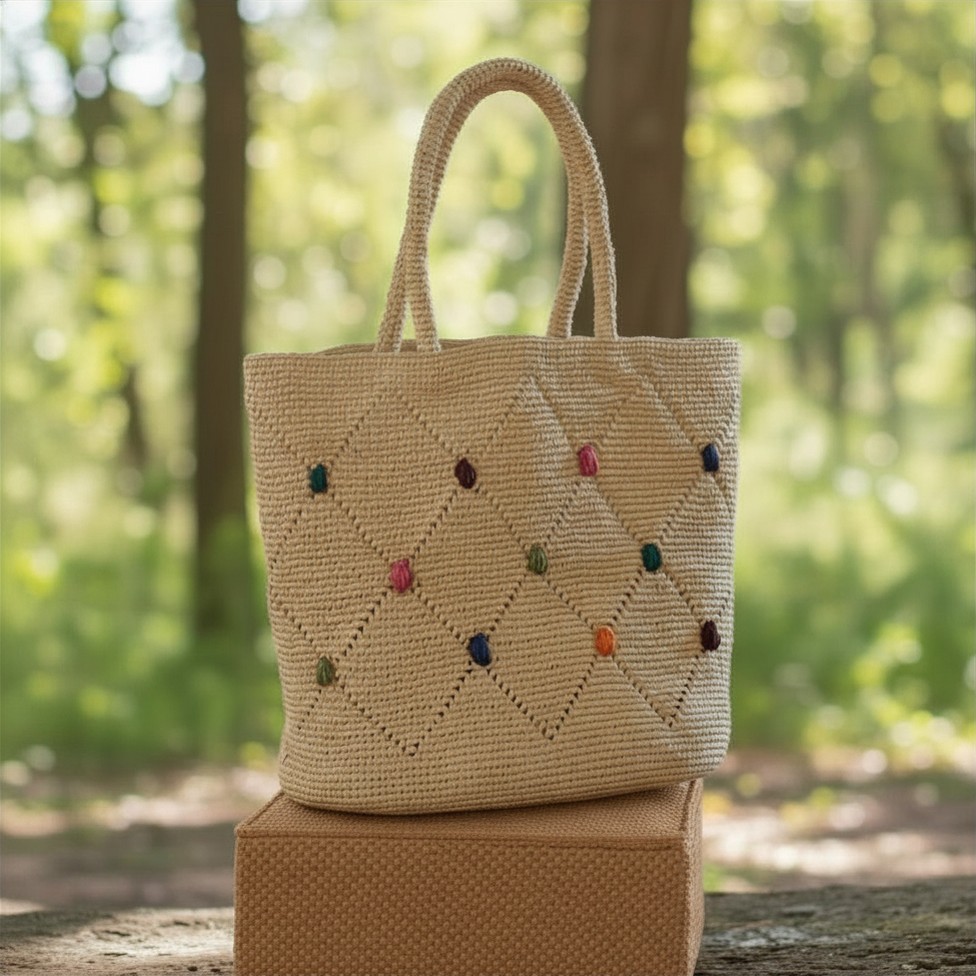
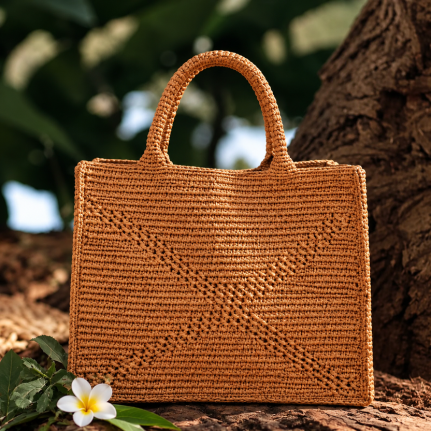
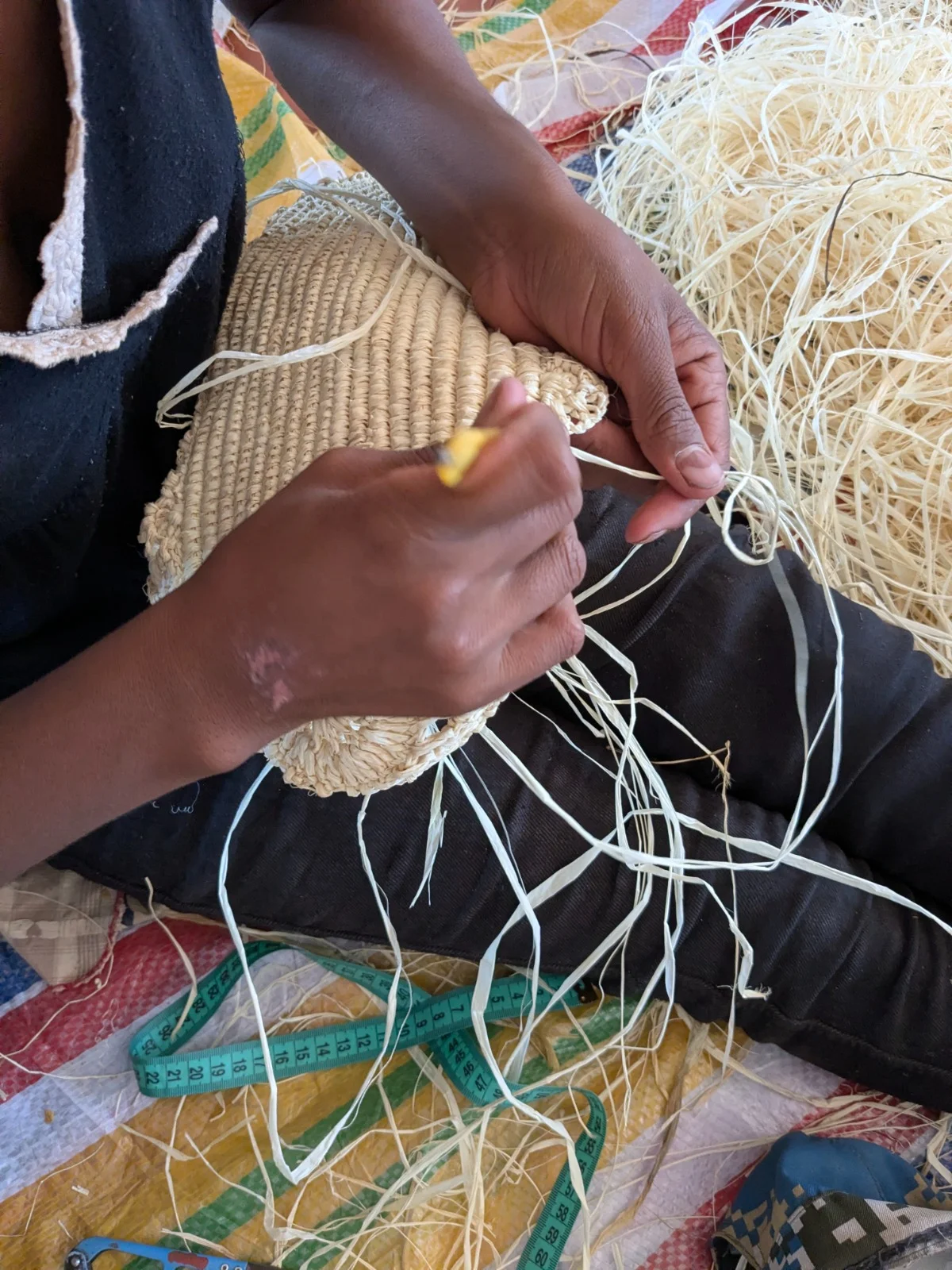
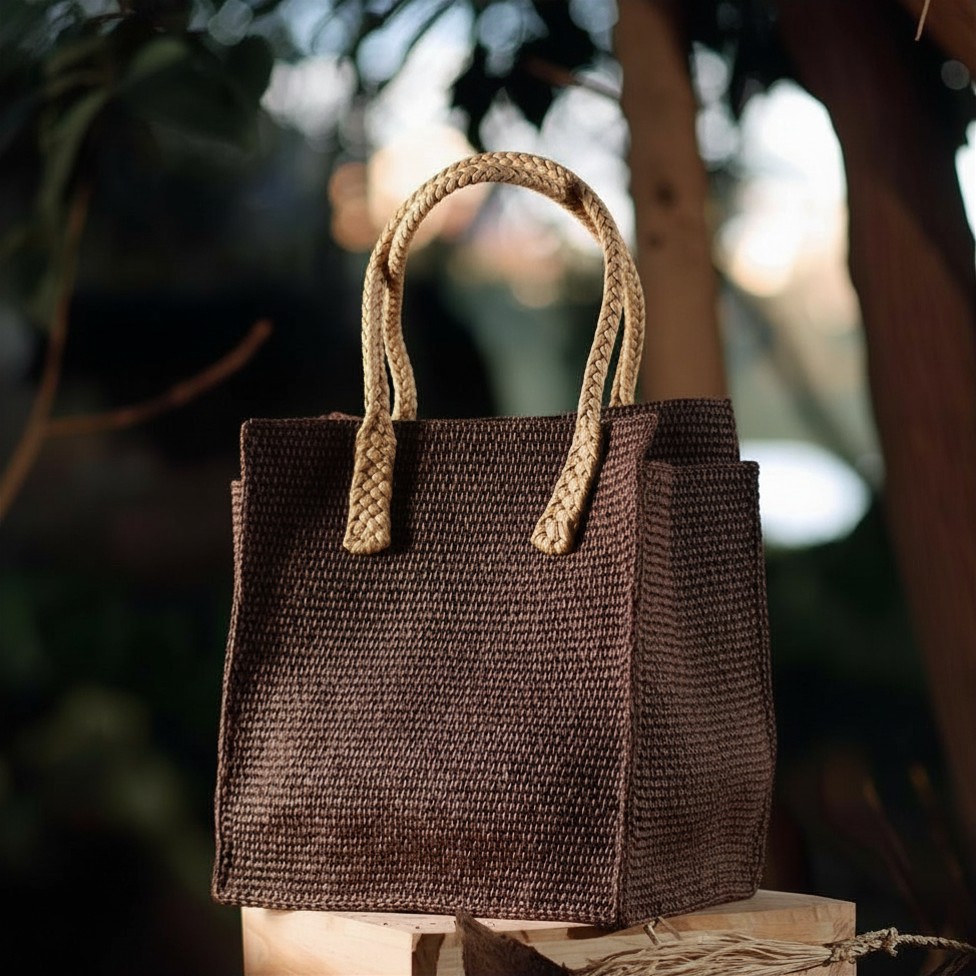
Behind every bag or raffia accessory, there are patient hands, precise movements, and a shared desire: to create without destroying. This ethic symbolizes our brand, which supports reforestation through raffia.
Our artisans work exclusively with natural and sustainable fibers, contributing to the preservation of raffia palms and local reforestation.
By promoting local production, we also limit the carbon footprint associated with transportation while supporting employment and the autonomy of rural communities.
Conclusion
Raffia exemplifies a rare balance: one in which nature and creation feed off each other.
Thanks to its virtuous cycle, it has become a driver of reforestation, a symbol of hope, and a pillar of sustainable fashion.
At BLESSED, we don’t just create accessories.
We forge links between tradition and innovation, between nature and elegance, between yesterday and tomorrow.
What if the future of sustainable luxury began here, in a fiber born from the earth and shaped by hand?