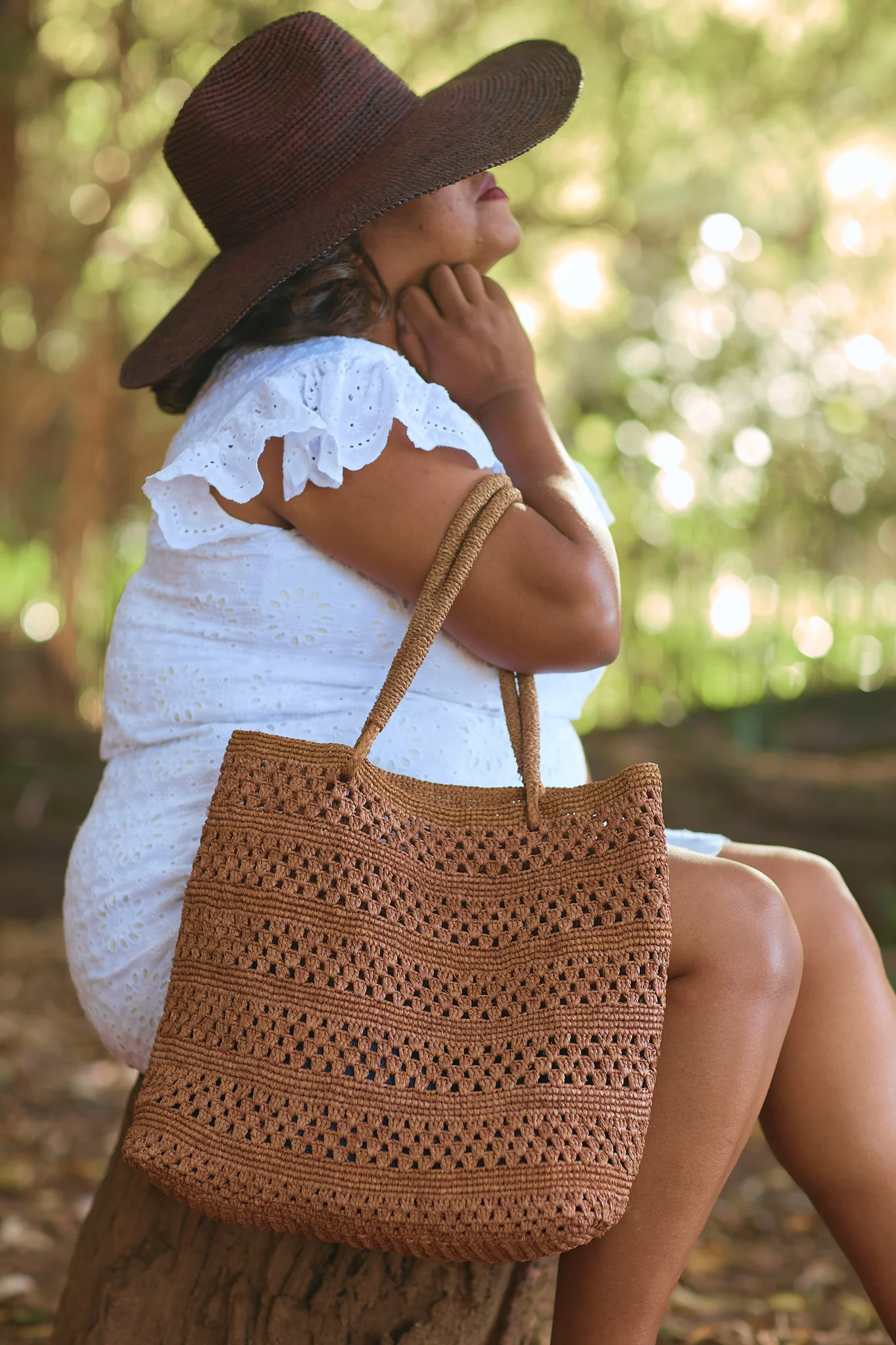
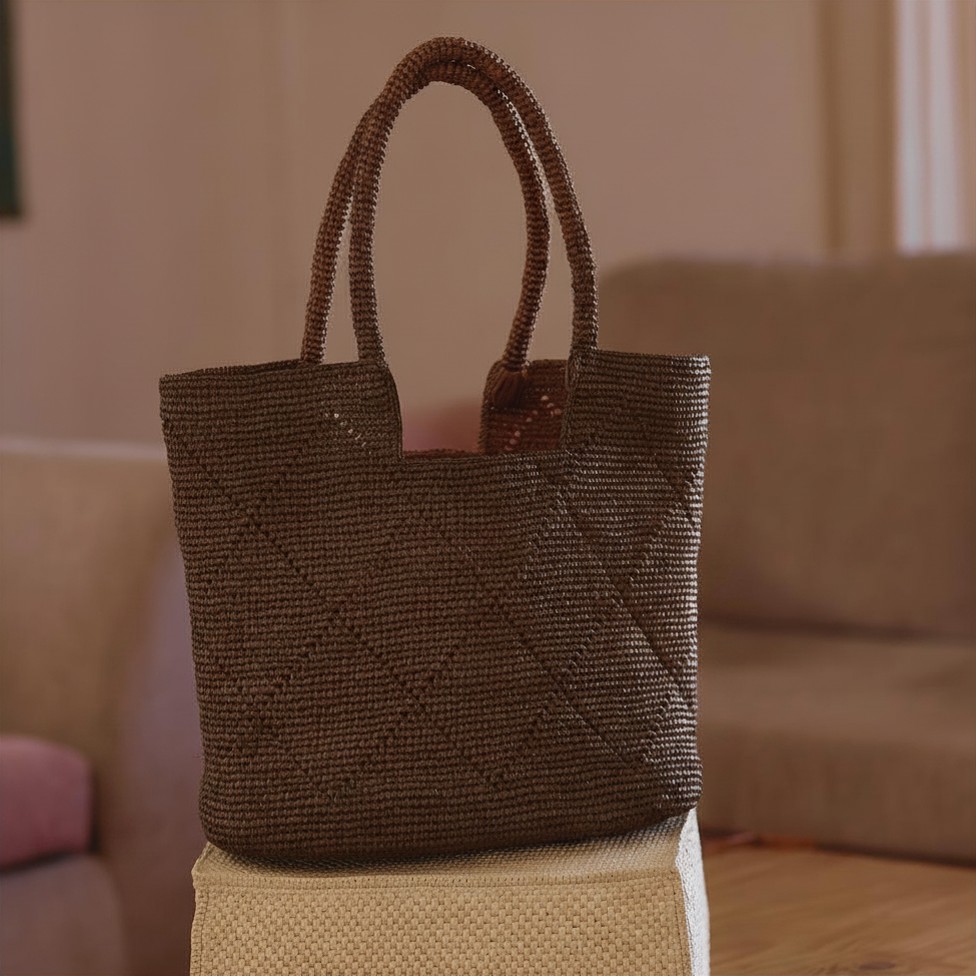
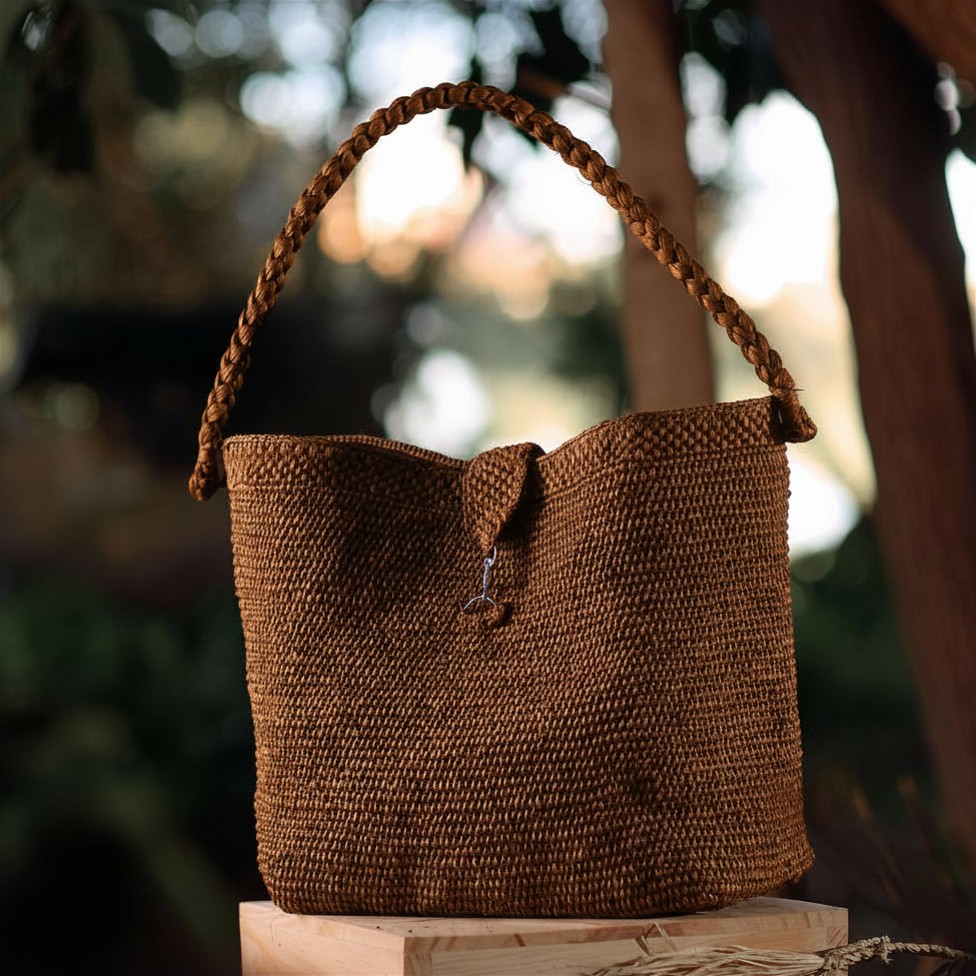
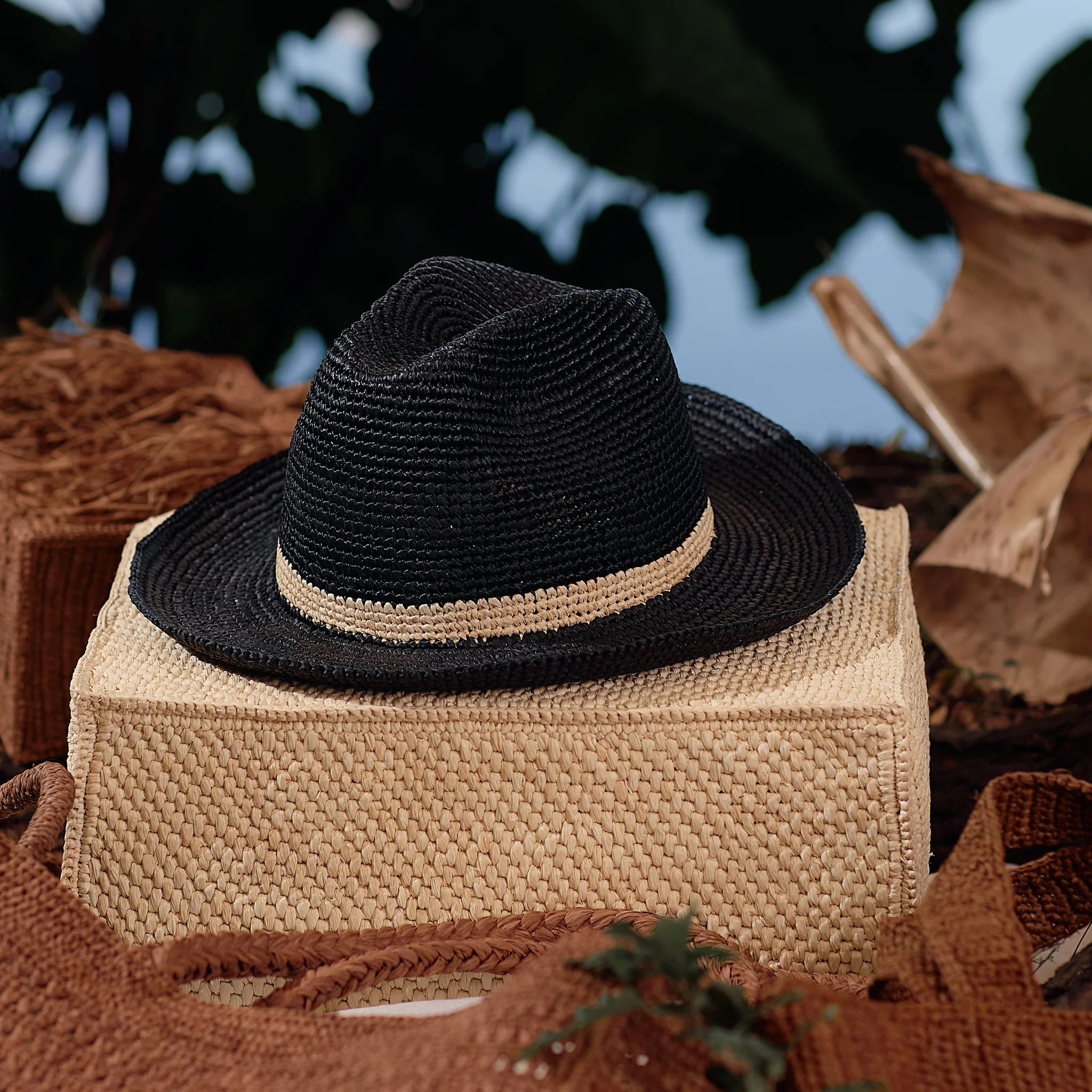
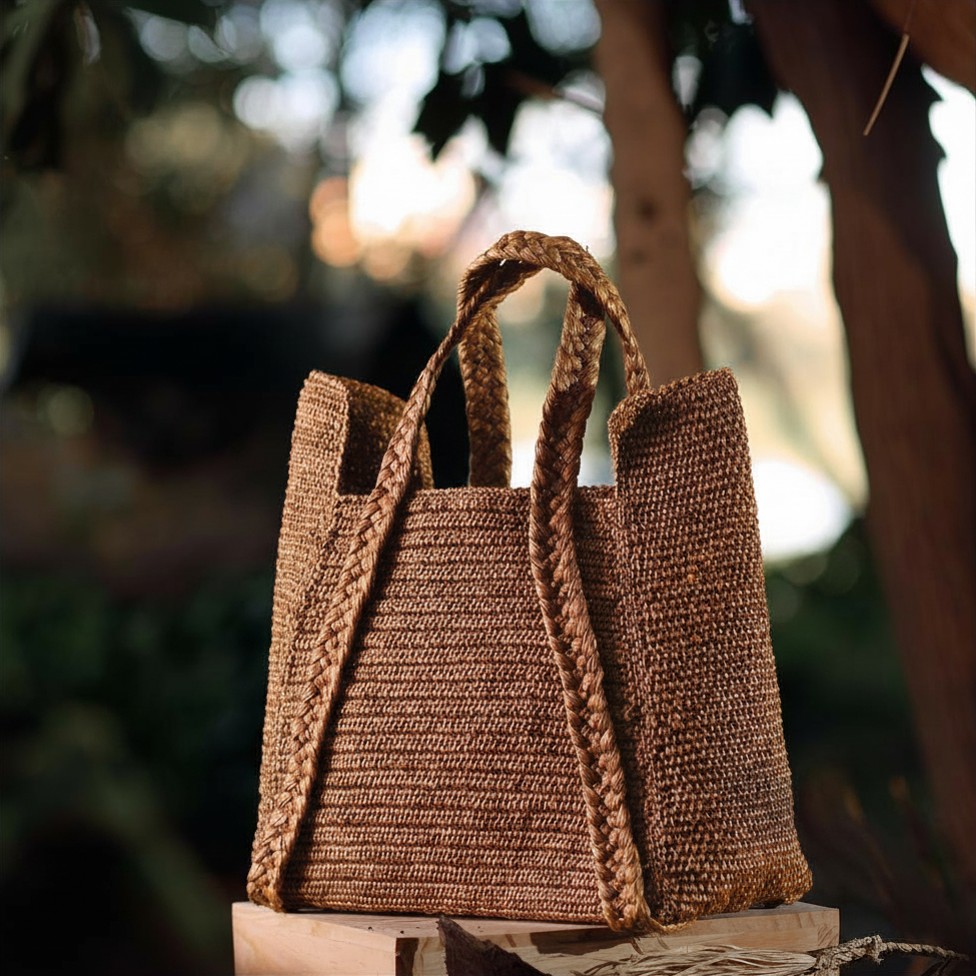
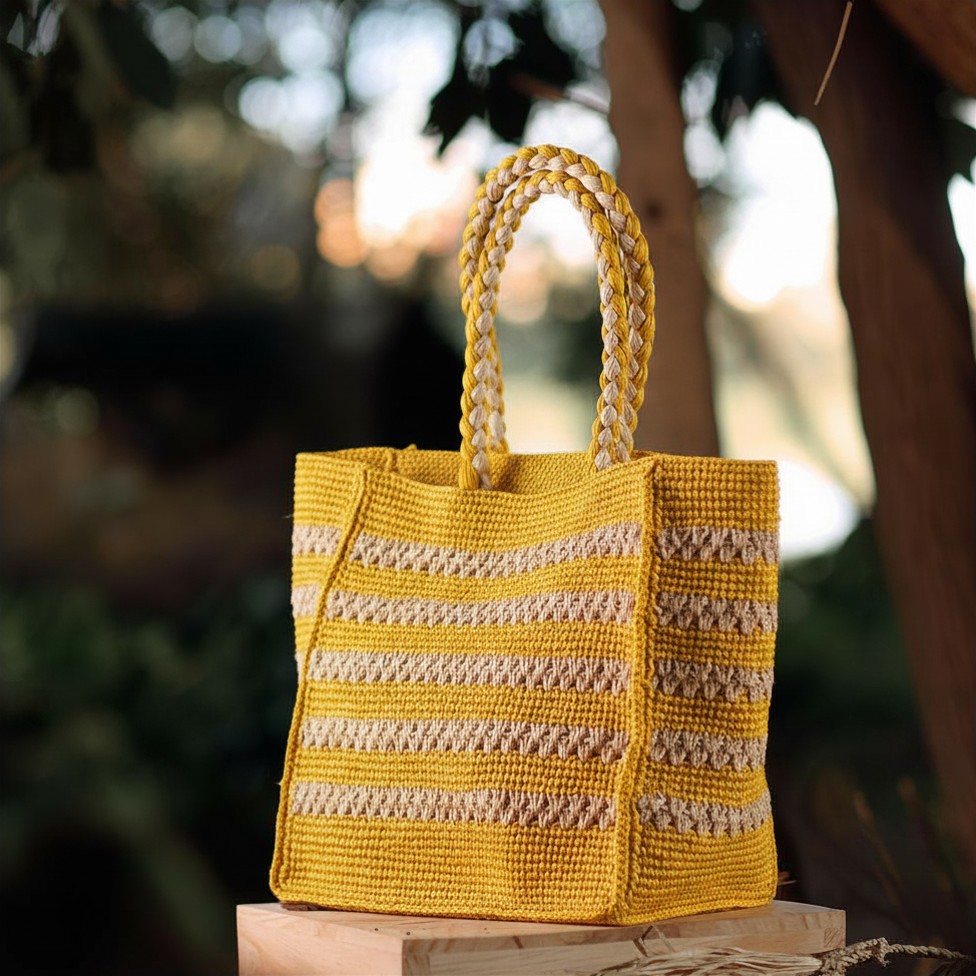
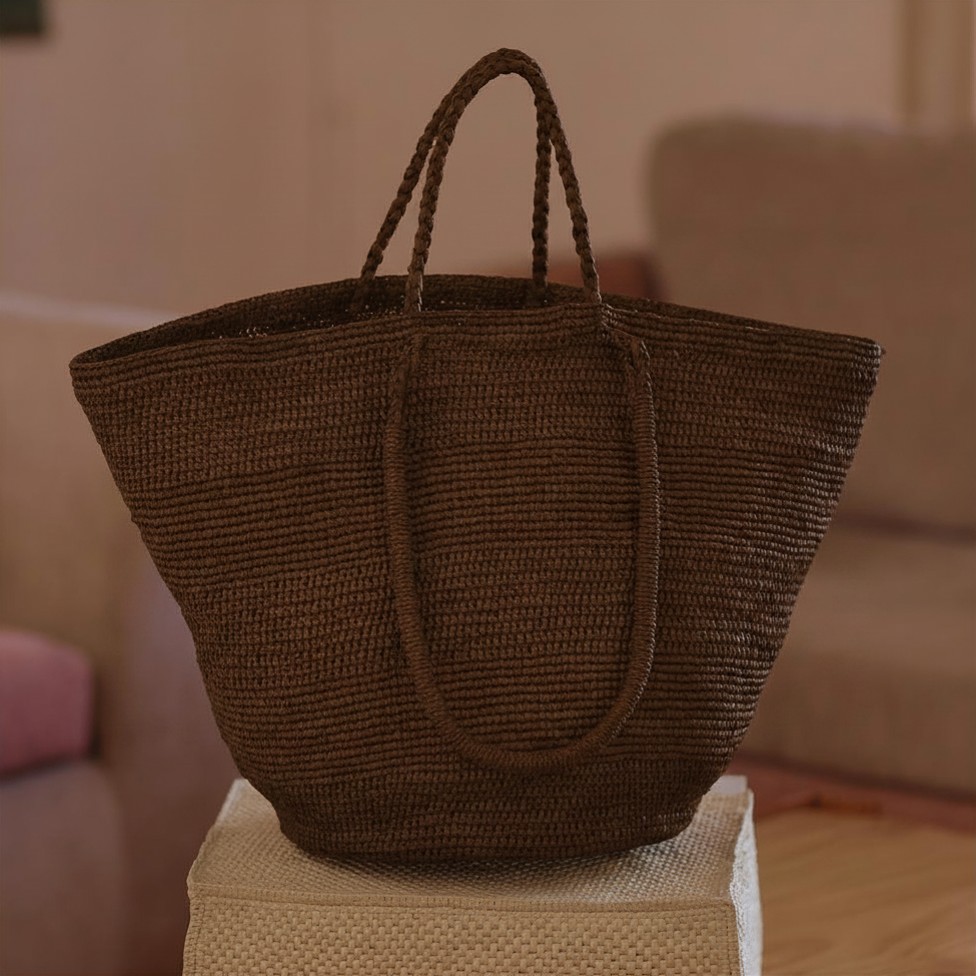
Raffia, a natural fiber derived from palm leaves, has long been a symbol of Malagasy craftsmanship. Today, BLESSED, which specializes in creating raffia bags and accessories, continues this tradition while adding a contemporary and innovative touch. But beyond craftsmanship, a question arises: can raffia bags made in Madagascar really appeal to international markets and become a promising export product?
Raffia is a natural fiber with many advantages.
Raffia is a natural fiber with many advantages. To understand its potential, let’s first analyze its qualities. Biodegradable, resistant, and flexible, this fiber is ideal for making durable bags and accessories. At BLESSED, we exploit these properties to create unique pieces that combine aesthetics and sustainability, while remaining faithful to authentic Malagasy craftsmanship.
Each bag tells a story where tradition and modernity come together naturally, transforming an ancient material into a contemporary and desirable accessory.
Favorable international trends
The intrinsic qualities of raffia resonate particularly strongly in the current global context. Ethical fashion and slow fashion are experiencing considerable growth: consumers are now looking for responsible, authentic products with a story behind them.
BLESSED’s creations perfectly meet these expectations. Raffia is no longer just a traditional material: it has become a symbol of responsible fashion and contemporary style, appealing to an international clientele in search of meaning and originality.
Cooperatives and local entrepreneurship
Export potential depends not only on the material, but also on the local social and economic fabric. Malagasy craft cooperatives, often run by women, enable larger-scale production without sacrificing quality, while training artisans to improve design and finish.
By collaborating with these communities, BLESSED contributes to local economic empowerment and guarantees products that respect both the environment and traditions. This approach also reinforces the authenticity and perceived value of the bags on international markets.
The challenges of the export market
However, international expansion comes with obstacles that should not be overlooked. These include:
- International standards, which impose strict requirements on the durability and safety of materials.
- Logistics and transportation, because shipping the bags abroad involves costs and rigorous organization.
- Marketing positioning, so that raffia is perceived not only as a traditional craft, but as a responsible and contemporary luxury product.
These challenges require a clear and tailored strategy to transform raffia’s potential into concrete success.
Strategies for conquering the international market
To take advantage of this opportunity, several levers can be activated:
- Design innovation: offering modular and customizable models.
- Digital marketing: promoting BLESSED’s history and philosophy internationally.
- International partnerships: collaborating with distributors and local players to access new markets.
- Labels and certifications: obtain eco-friendly or fair trade accreditations to enhance credibility.
By combining these actions, BLESSED transforms traditional know-how into a modern and desirable product on the global stage.
Conclusion
Raffia bags made in Madagascar have strong export potential. Thanks to its expertise, design sensibility, and commitment to sustainable development, BLESSED is establishing itself as a key player in this emerging market. With the right strategy and effective communication, raffia of Madagascar can become a symbol of innovation, craftsmanship, and environmental responsibility, appealing to international markets while boosting the local economy.