


differences in terms of strength ?
In craftsmanship, weaving is much more than just a decorative technique : it is the backbone that ensures the strength of an object. Baskets, bag handles, rugs, ropes… Behind every sturdy creation lies a precise technical choice.
Two methods dominate: spiral weaving and flat weaving. They do not offer the same results, let alone the same performance. So, which one should you choose if you are looking for strength above all else ? That is what we are going to find out together.
Understanding weaving : a common foundation
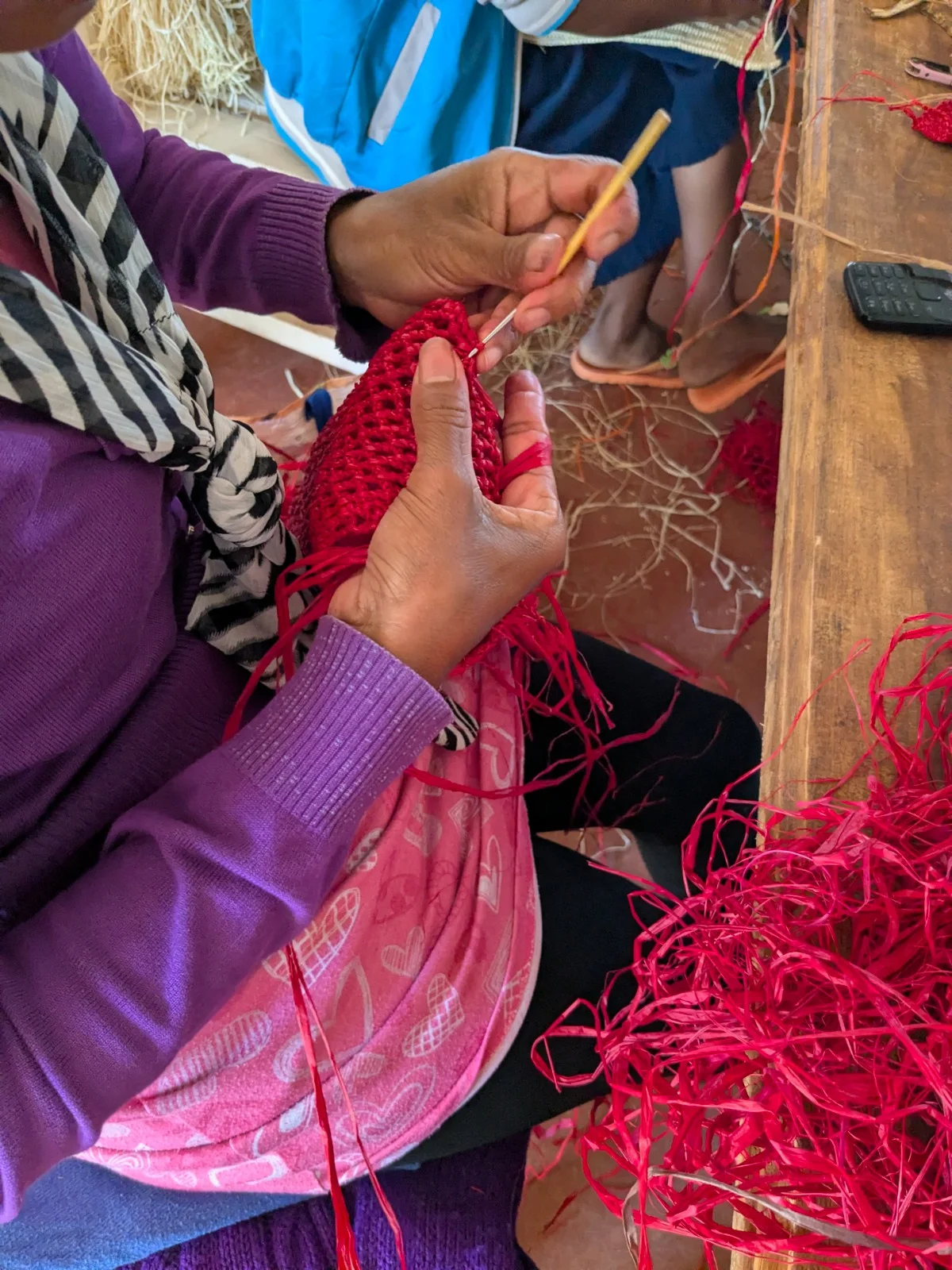
Before comparing, let’s recall what braiding is. It involves intertwining several strands or fibers to form a structure that is both attractive and sturdy.
The process may seem simple, but it hides many subtleties : the material chosen (raffia, natural fibers, leather, cotton, polyester, etc.), its thickness, and the precision of the movements directly influence the final result.
In short, technique matters, but it is only one piece of the puzzle.
Spiral weaving
As the name suggests, spiral weaving wraps strands around a central axis, creating an elegant helical pattern.
This style has several advantages. First, it distributes tension evenly across the entire structure, preventing weak points. Second, it withstands twisting very well, which is an advantage for handles or ropes subjected to repeated movements. Finally, it remains flexible enough to conform to rounded shapes.
On the other hand, this technique requires more precision and time. And if the strands are not tightly woven, the braid may loosen over time.It is therefore mainly found on the handles of bags, handles, or decorative ropes, where its flexibility and strength work wonders.


Flat braiding
Flat weaving, on the other hand, crosses the strands flat, often in a checkerboard or herringbone pattern. The result is a smooth, wide surface that is ideal for distributing weight along its entire length.
It is also appealing due to its stability, provided that the tension remains consistent during production. In terms of learning, it is much more accessible than spiral braiding.
However, it is less suited to rounded shapes and more vulnerable to twisting, which can eventually cause it to become deformed. This is why it is mainly used for the bases of baskets, rugs, belts, and straps.
Other factors that influence strength
Choosing the right technique is essential, but it is not enough. The quality of the material plays a decisive role : well-prepared raffia thread or high-quality synthetic rope will last much longer.
The thickness of the strands also affects strength : the thicker they are, the stronger the braid will be… But also the stiffer.
And let’s not forget the consistency of the technique : consistent workmanship ensures uniform strength, while the finishes (knots, seams, varnish, or treatment) extend the life of the piece.
Conclusion
In summary, spiral braiding is ideal for rounded shapes and objects subject to twisting, while flat braiding excels for flat surfaces and distributed loads.
The right choice therefore depends mainly on the end use and the stresses that the object will have to withstand. And, regardless of the technique used, good materials and careful workmanship remain the best guarantees of strength.

Strength, finishing and durability: BLESSED’s perspective on artisanal quality
In a world dominated by mass production and fast fashion,…
The benefits of buying ethical accessories instead of fast fashion
Faced with the omnipresence of fast fashion, more and more…
Why a handmade bag costs more: quality, durability and craftsmanship?
When compared with low-cost, mass-produced accessories, a handmade bag may…