How to overcome the challenges facing the raffia sector in Madagascar? Raffia is an integral part of everyday life in Madagascar. It spans generations, accompanies ceremonies, supports thousands of families and carries a strong artisanal identity. At BLESSED, it is at the heart of our creations, but also at the centre of many realities that cannot be ignored. Understanding these challenges means honouring them more fully and better preparing for the future.
Understanding the challenges: issues facing Malagasy raffia
The raffia sector in Madagascar, rich in a unique artisanal tradition, plays a vital role in the local economy and in promoting cultural heritage. Yet, despite its potential, it faces numerous challenges that hinder its development. It is therefore essential to understand these challenges, particularly the key issues affecting Malagasy raffia.
1. A precious but fragile natural resource
Raffia grows mainly in the wetland areas of the East Coast. However, these ecosystems are now under increasing pressure.
Deforestation, bush fires and climate change are leading to the degradation of growing areas. As a result, raffia has become a precious yet fragile natural resource.
But behind this observation lies a deeper reality: preserving raffia means protecting a heritage.
This is why many initiatives are beginning to emerge, including controlled plantations, wetland regeneration and local awareness programmes.
For us, as committed brands, this means encouraging and supporting this ecological transition.
2. A rich but still fragile artisanal value chain
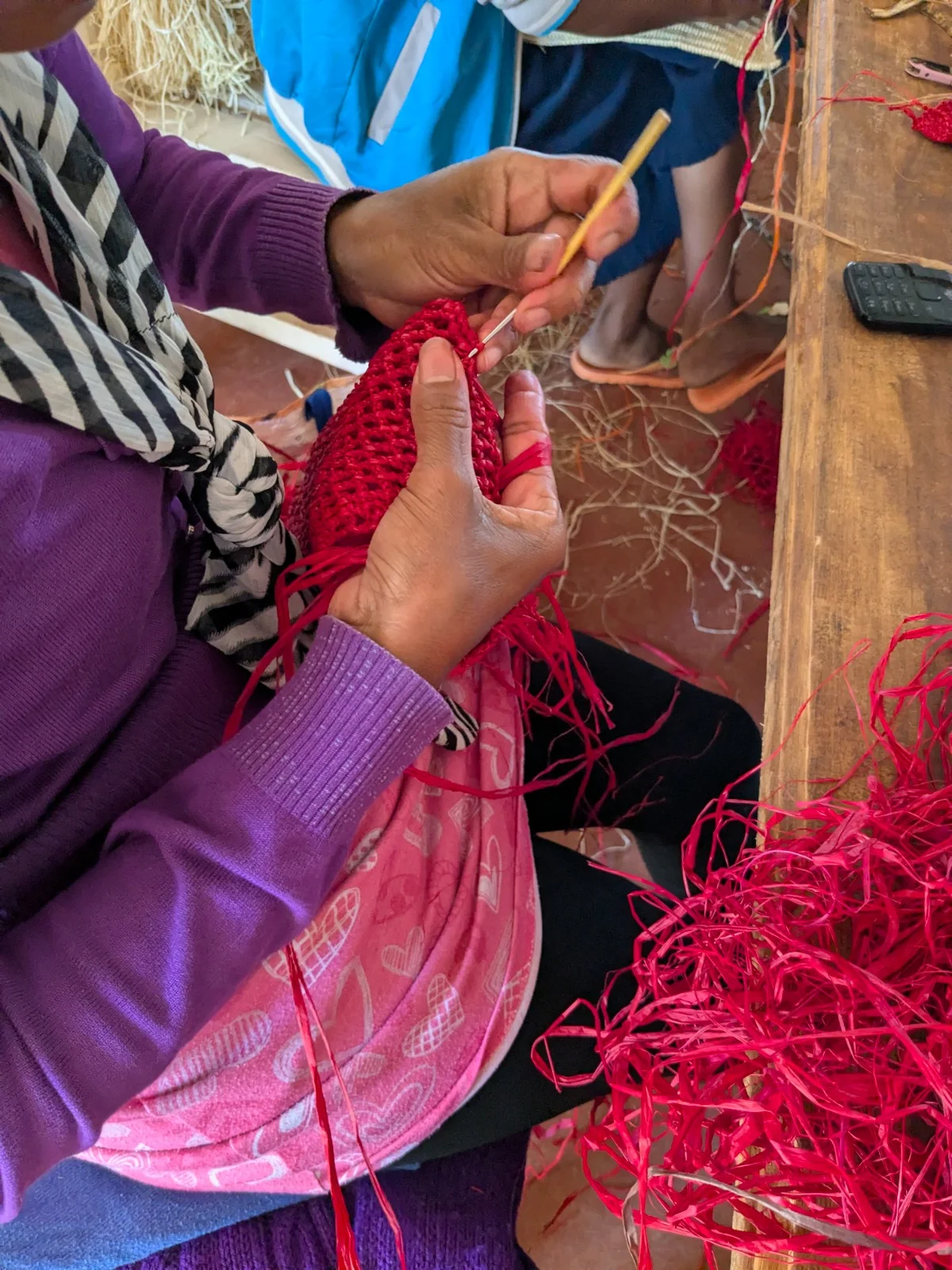
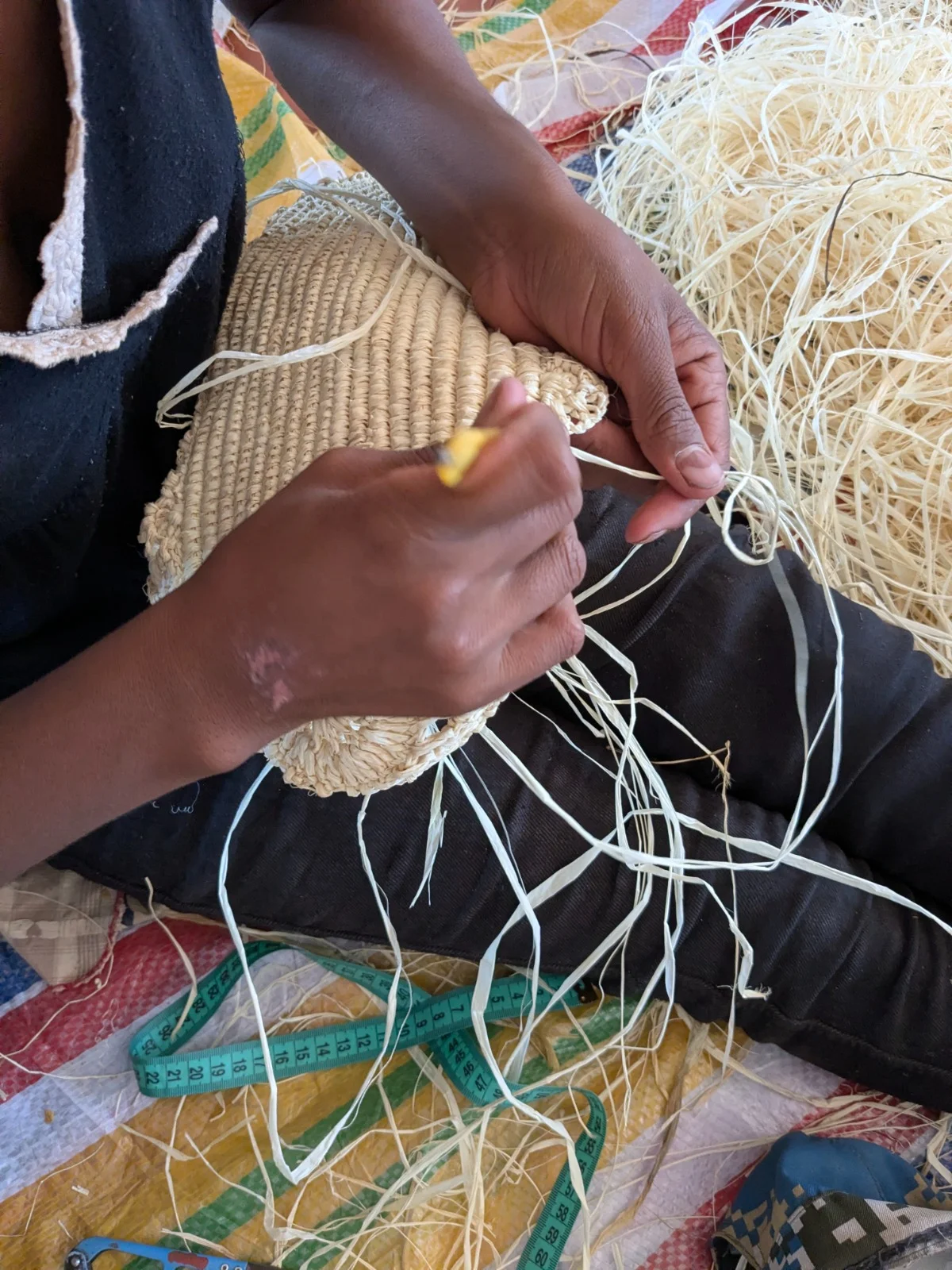
When we talk about raffia, we are talking about artisans. Skilled hands that select, cut, weave, dye and transform the fibre.
Yet their work is not always valued as it should be.
Insufficient training, unstable incomes and limited access to modern tools… the challenges are numerous. This situation means that raffia remains a rich artisanal value chain, but one that is still fragile.
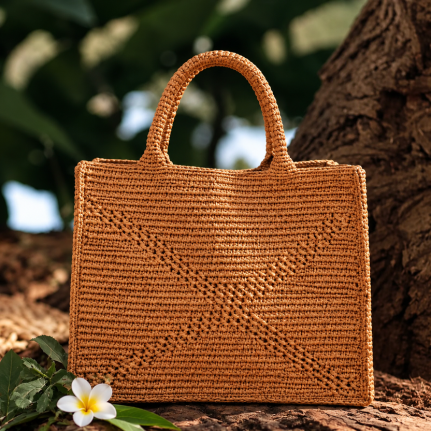
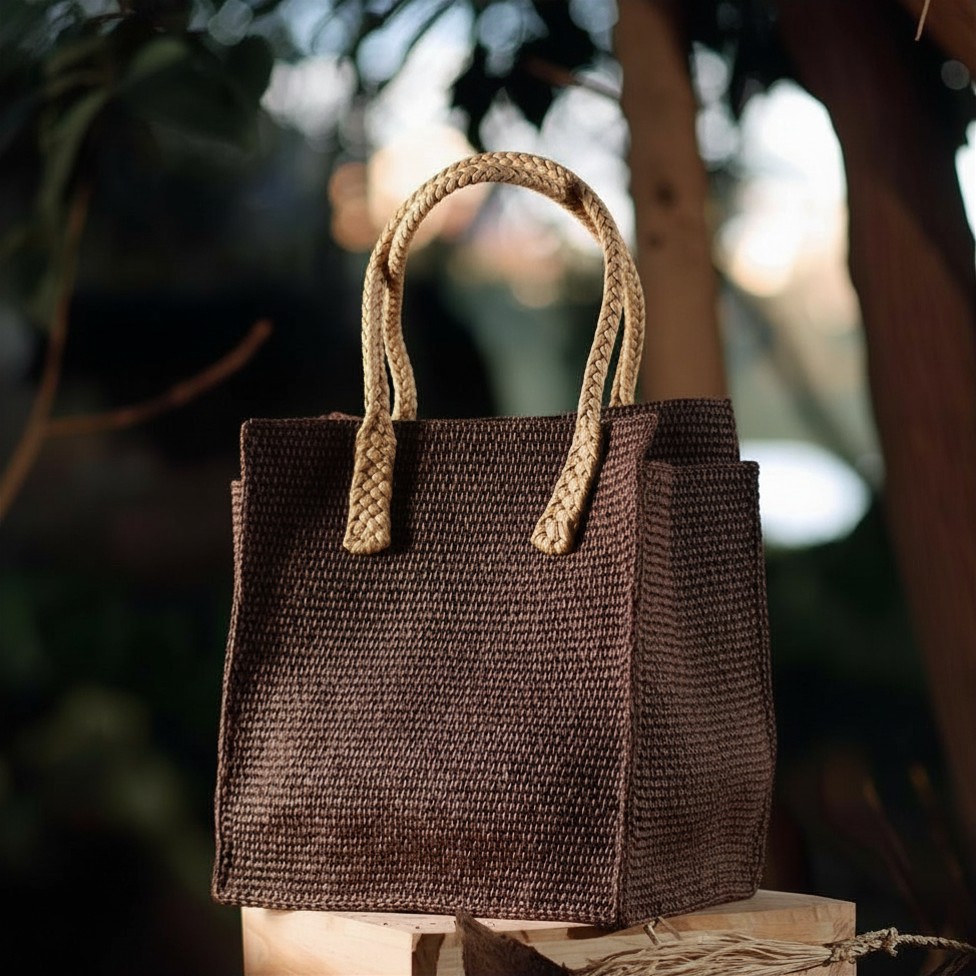
However, every encounter with an artisan reminds us of the same thing: behind every BLESSED bag, there is a story, a craft and a sense of pride.
This is the value the sector must strengthen, by further professionalising the trade and ensuring stable working conditions.
3. Limited infrastructure slowing down the entire sector
Transporting raffia from rural areas, accessing markets, unstable road conditions…
These logistical constraints increase costs and slow down production.
Yet more than obstacles, they represent opportunities to rethink the sector.
Decentralising certain workshops, bringing processing closer to harvesting areas, modernising tools…
Each small improvement helps ease the burden on artisans and enhance the final quality of the products.
At BLESSED, we believe that modernisation does not erase tradition — on the contrary, it strengthens it.
Ultimately, facing limited infrastructure that slows down the entire sector also hinders local economic development.
4. Price fluctuations that weaken artisans and brands
International demand for raffia is strong and continues to grow.
However, this popularity comes with price instability that affects the entire value chain: harvesters, artisans, dealers and brands.
In the face of price fluctuations that weaken both artisans and brands, it becomes essential to build more sustainable partnerships:
– stable contracts,
– fair remuneration,
– support during quieter periods,
– direct purchasing from communities.
->These commitments are what give the sector its stability… and our creations their authentic value.
Please consult the following articles to learn more about raffia pricing and more resilient brands:
5. How can we overcome these challenges together?
Despite the obstacles, Malagasy raffia remains a strength. Its value chain is a wealth unlike any other in the world. Overcoming the challenges facing the raffia sector in Madagascar can only be achieved through a collective effort. Every stakeholder, artisans, local communities, entrepreneurs, exporters, public authorities and partner organisations has an essential role to play. How, together, can we overcome these challenges?
To go further, several pathways are emerging:
Encouraging eco-responsible practices in harvesting areas;
Supporting the continuous training of artisans;
Strengthening cooperation between brands, NGOs and local communities;
Promoting transparency and traceability;
Enhancing the value of finished products in both national and international markets.
This is where we, BLESSED, wish to make our contribution.
By highlighting the work of artisans, celebrating Malagasy culture, and creating pieces that deeply respect nature and the people who transform it.
Conclusion
Raffia is not just a fibre.
It is a culture, a heritage, an economy, a source of pride.
By understanding the challenges surrounding this sector, we choose to take part in its preservation.
And at BLESSED, every creation is a promise:
a promise of valued artisans, respected resources, and a heritage that continues to thrive.