In Madagascar, textile craftsmanship is far more than an economic activity. It is a cultural, social and human pillar, carried through generations by women artisans whose expertise shapes the identity of the country.
Raffia weaving, crochet, sewing, embroidery… Behind every handcrafted piece lies a precise gesture, learned, passed down and refined over time. Today, as international fashion rediscovers craftsmanship and natural materials, the role of Malagasy women in this ecosystem is becoming more visible and more essential than ever.
At BLESSED, this commitment is not a marketing narrative, but a daily reality.
Textile craftsmanship in Madagascar: a female heritage
Expertise passed down from mother to daughter
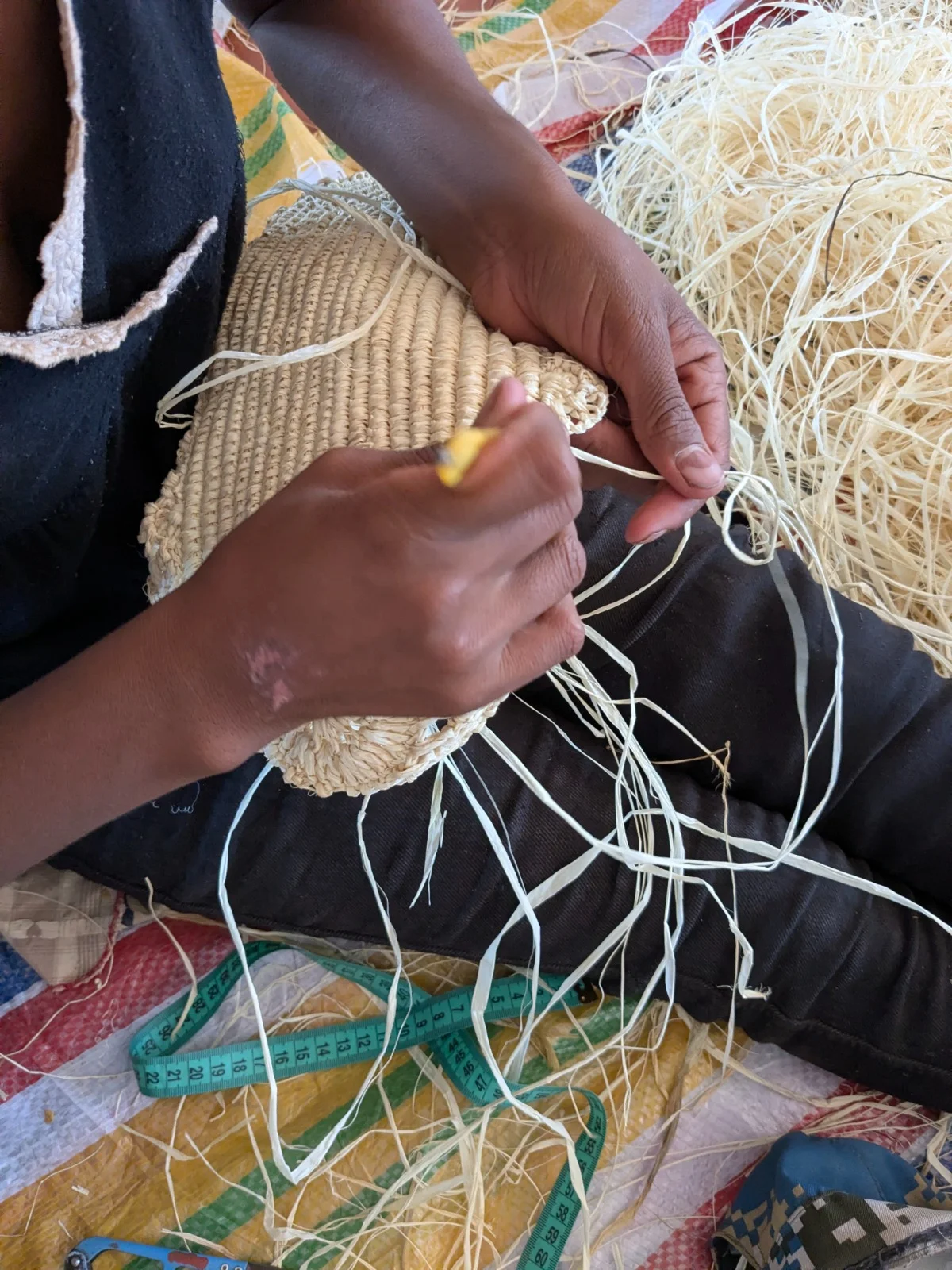
In many regions of Madagascar, textile techniques are transmitted orally and through practice. From a young age, girls observe, learn and reproduce the gestures of their elders.
This expertise includes:
. the preparation of natural fibers (raffia, cotton, sisal),
. weaving and crochet techniques,
. assembly and finishing.
These skills, long confined to the domestic sphere, now represent a cultural wealth recognised well beyond Malagasy borders.
Textile as cultural expression
The patterns, textures and techniques used tell a story: that of regions, communities and local traditions. Textile craftsmanship thus becomes a cultural language, primarily carried by women.
Women artisans: economic and social pillars
A Source of financial independence
For many Malagasy women, textile craftsmanship represents a concrete source of income. It enables them to:
. provide for household needs,
. finance their children’s education,
. gain economic independence.
In a context where access to formal employment remains limited, craftsmanship becomes a true lever for empowerment.
Balancing work, family and expertise
Textile craftsmanship also offers valuable flexibility. It allows women to work while remaining close to their families, without giving up their social and cultural roles within the community.
Malagasy raffia: a material at the heart of women’s work
A natural fiber crafted by hand
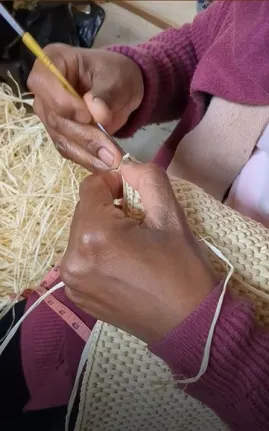
Raffia, emblematic of Madagascar, is primarily worked by women. From fiber preparation to final weaving, each stage requires:
. patience,
. precision,
. technical mastery.
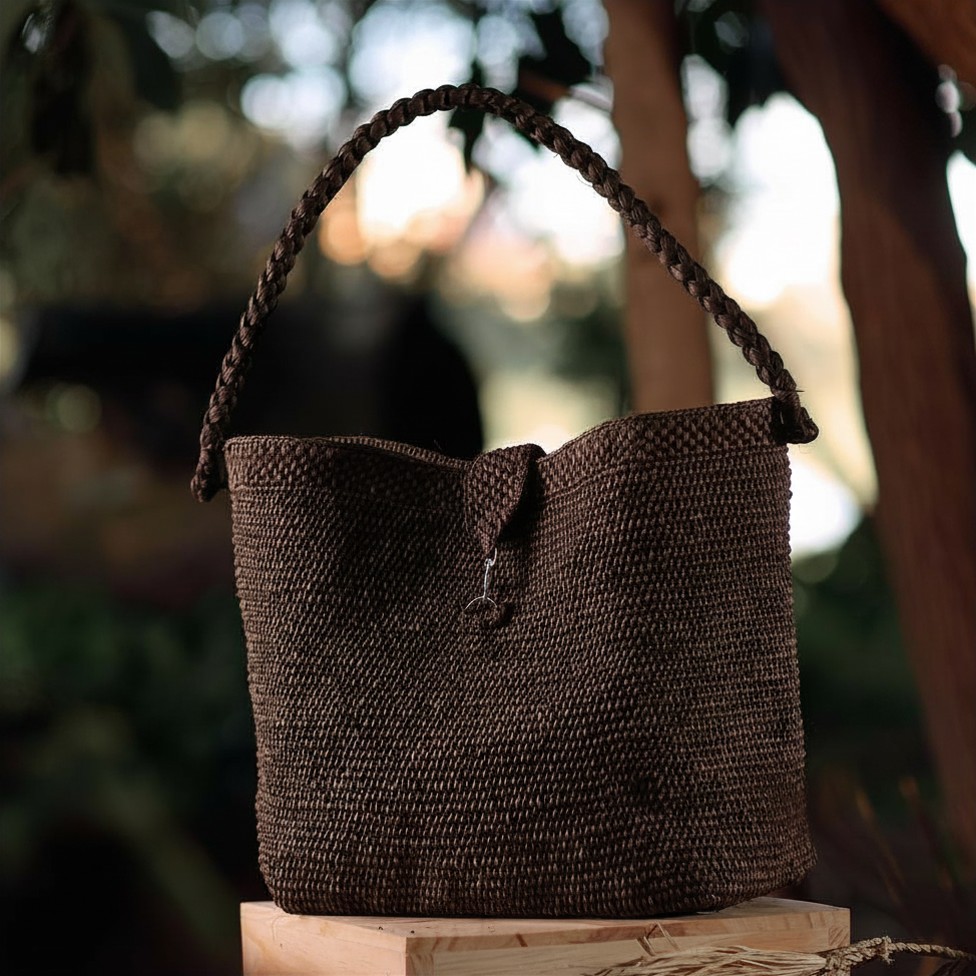
When expertly crafted, raffia becomes a strong, flexible and durable material, ideal for creating textile accessories.
A living heritage to preserve
This raffia expertise is a living heritage. Preserving it means recognising the value of the women’s work that sustains it.
BLESSED: valuing the work of malagasy women artisans
Collaboration built on respect and trust
At BLESSED, women artisans are at the heart of the project. The brand follows an approach that aims to:
. enhance existing skills,
. respect the rhythm of artisanal production,
. guarantee fairer remuneration.
-> Craftswomen and raffia: Madagascar crafts between tradition and modernity
-> From hand to hand: the link between artisans, brand and final customer
-> BLESSED, driving of female empowerment in Madagascar
Each BLESSED creation is the result of a human collaboration, founded on the recognition of manual work.
Meaningful creations
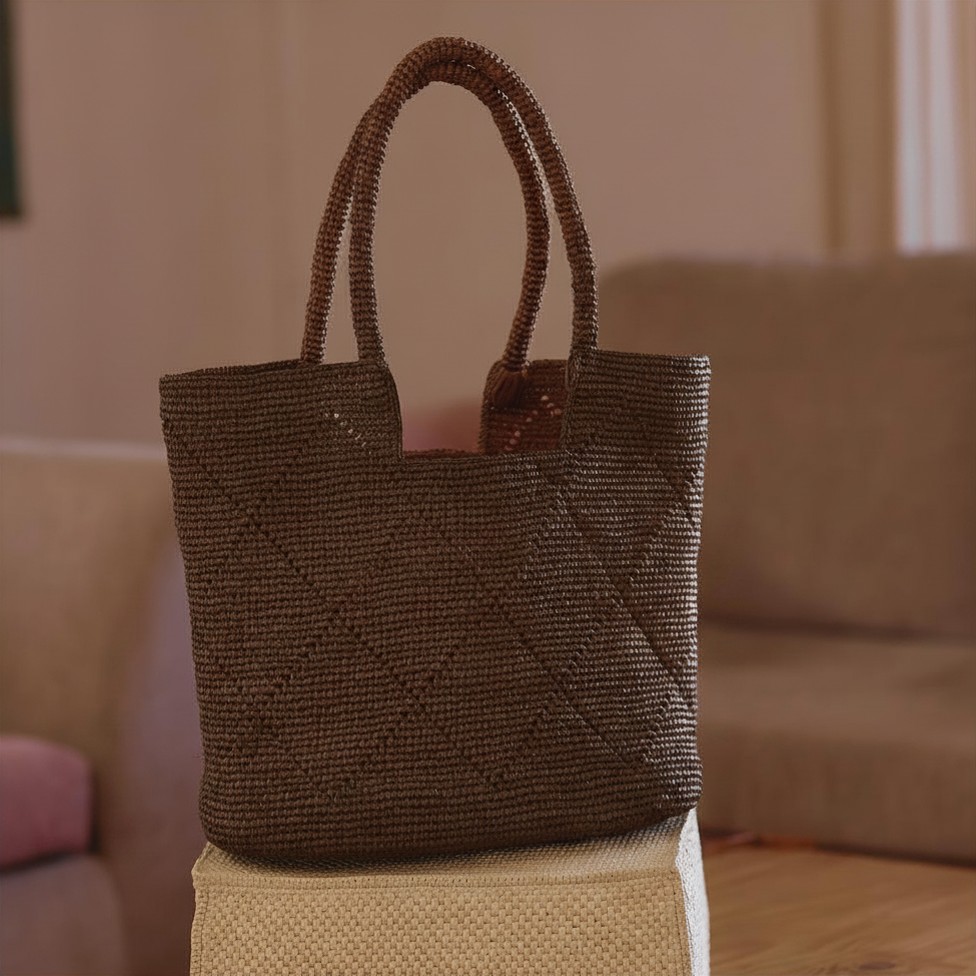
BLESSED accessories are not standardised products. They carry:
. the imprint of the hand that shaped them,
. a human story,
. a vision of more responsible fashion.
-> Raffia for women: how craftswomen transform fiber into freedom?
By choosing BLESSED, consumers directly support the work of women artisans in Madagascar.
Women’s craftsmanship and ethical fashion: a natural convergence
An alternative to fast fashion
Textile craftsmanship led by women stands in opposition to mass production logic. It prioritises:
. quality over quantity,
. durability over disposability,
. people over automation.
This approach fully aligns with the values of ethical fashion and slow fashion.
Restoring value to time and craft
Each handcrafted piece requires time. By recognising this value, consumers participate in a fairer economy, where price reflects real work rather than accelerated production.
Social impact beyond the product
Preserving traditional expertise
By supporting women-led textile craftsmanship, we contribute to the transmission of techniques threatened by industrialisation and standardisation.
Creating a virtuous circle
When the work of women artisans is recognised and valued, the impact goes beyond the object itself:
. local communities are strengthened,
. traditions endure,
. a new generation can project itself into this heritage with pride.
Why support committed brands like BLESSED?
Choosing a brand like BLESSED means:
. supporting the work of Malagasy women artisans,
. encouraging respectful and human-centred production,
. adopting durable and meaningful accessories,
. contributing to more conscious fashion.
Conclusion: women at the heart of Malagasy textile craftsmanship
The role of women in textile craftsmanship in Madagascar is fundamental. They are the guardians of expertise, the economic pillars of many families, and the driving forces behind more responsible fashion.
Through its commitment, BLESSED highlights these women and demonstrates that another vision of fashion is possible: one that respects time, material and, above all, people.