

Raffia is a natural fiber extracted from the leaves of palm trees of the genus Raffia, widely used in crafts, fashion and industry. However, not all raffia are created equal:their texture, their color and their strength vary according to species and region of origin.
From Madagascar to West Africa, via South America, each type of raffia has unique properties that make it suitable for specific uses. Let’s explore these differences together to better understand which one best suits your needs.
Madagascar raffia: a renowned craft
Among the different types of raffia, that from Madagascar is one of the most prized due to its exceptional quality and refined craftsmanship.
Origin and characteristics
Madagascar’s raffia (raphia farinifera) is one of the most famous in the world. It comes mainly from the island’s coastal regions, where it is grown and harvested by hand. It is therefore the fruit of traditional cultivation and unique know-how.
Long, supple fibers
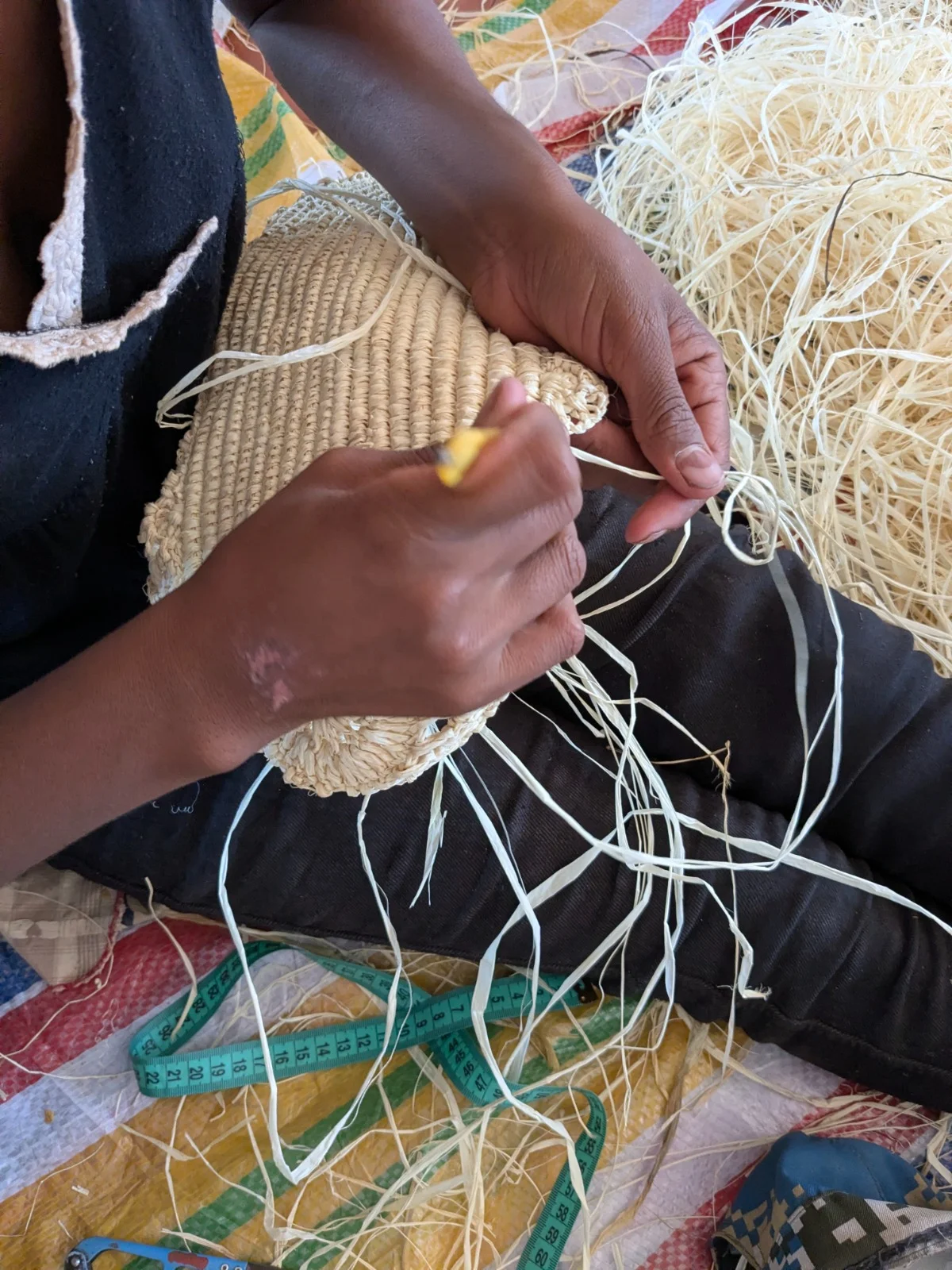
What makes Madagascar raffia so famous are its long, supple and resistant fibers. These qualities make it a perfect choice for handicrafts, especially basketry. These fibers allow great creative freedom while being robust and easy to handle.
Natural cream or light beige color
In addition to its exceptional texture, it is distinguished by its natural color, which varies between cream and light beige. This neutral hue not only gives it an elegant appearance; it also allows for infinite possibilities in terms of staining and customization, for even more unique creations.
Main uses
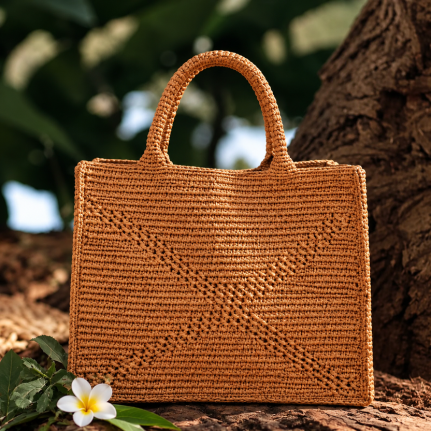
It’s no coincidence that Madagascar raffia is widely used for creations as diverse as bags, hats, rugs, and fashion accessories. It’s also becoming increasingly popular for making ecological packaging, a perfect solution for those looking to combine aesthetics with respect for the environment.
So, what are the advantages and special features of this raffia ?
Well, here’s the icing on the cake: this raffia is biodegradable and environmentally friendly, making it an ideal material for eco-responsible projects. And for those who like to personalize their creations, Madagascar raffia is also easy to dye and work. This allows great flexibility in creating unique objects. Finally, it is in high demand on the international market, proof of its quality and worldwide appeal.

African raffia: a variety with many uses
While Madagascar raffia is particularly sought-after for its flexibility, another, more robust variety, widespread in several African countries, has characteristics that make it ideal for more technical uses.
Origin and characteristics
African raffia is found in several African countries, including Nigeria, Cameroon, the Democratic Republic of Congo and Côte d’Ivoire. It generally comes from the raffia vinifera and raffia hookeri palms.
- Shorter, stiffer fibers : Unlike Madagascar raffia, African raffia fibers are generally thicker and less flexible.
- Natural brownish hue : Some varieties of African raffia have a darker color, giving them a rustic appearance.
- Main uses : ropes, traditional roofing, fabrics, baskets, fishing nets.
Advantages and special features
- More resistant and durable
- Use in construction (raffia roofing)
- Less expensive than Madagascar raffia
Palm raffia: tropical and exotic varieties
Outside Africa, other varieties of raffia are developing in various tropical regions, offering fibers adapted to a variety of uses.
Origin and characteristics
The term“palm raffia”designates the different varieties of palms in the genus raffia found in the tropical regions of South America, Asia and Africa.
- Different species : Some species, such as raffia taedigera (South America) and raffia australis (Mozambique, South Africa), produce fibers with specific characteristics.
- Fibers are sometimes stiffer or shorter : depending on the species, the quality and use of raffia can vary.
- Main uses : building materials, roofing, basket-making, handicrafts.
Advantages and special features
- Various sources depending on region
- Adapted to tropical climates
- Traditionally used in local cultures
Comparing the different types of raffia
In short, each type of raffia has its own distinct advantages, suited to a variety of uses. Here’s an overview of the main differences between these natural fibers :
| Type of raffia | Origin | Main characteristics | Main uses |
| Raffia from Madagascar | Madagascar | Long, soft, easy-to-dye fibers | Handicrafts, fashion, decoration |
| Raffia from Africa | West and Central Africa | Thicker fibers, brownish hue | Ropes, baskets, roofing |
| Palm raffia | South America, Asia, Africa | Various fibers according to species | Textiles, constructions, baskets |
Whether you’re looking for supple raffia for handcrafted creations or a more robust fiber for traditional uses, there’s a variety to suit your needs. Madagascar raffia remains the preferred choice for luxury handicrafts, while African raffia stands out for its robustness and use in construction.
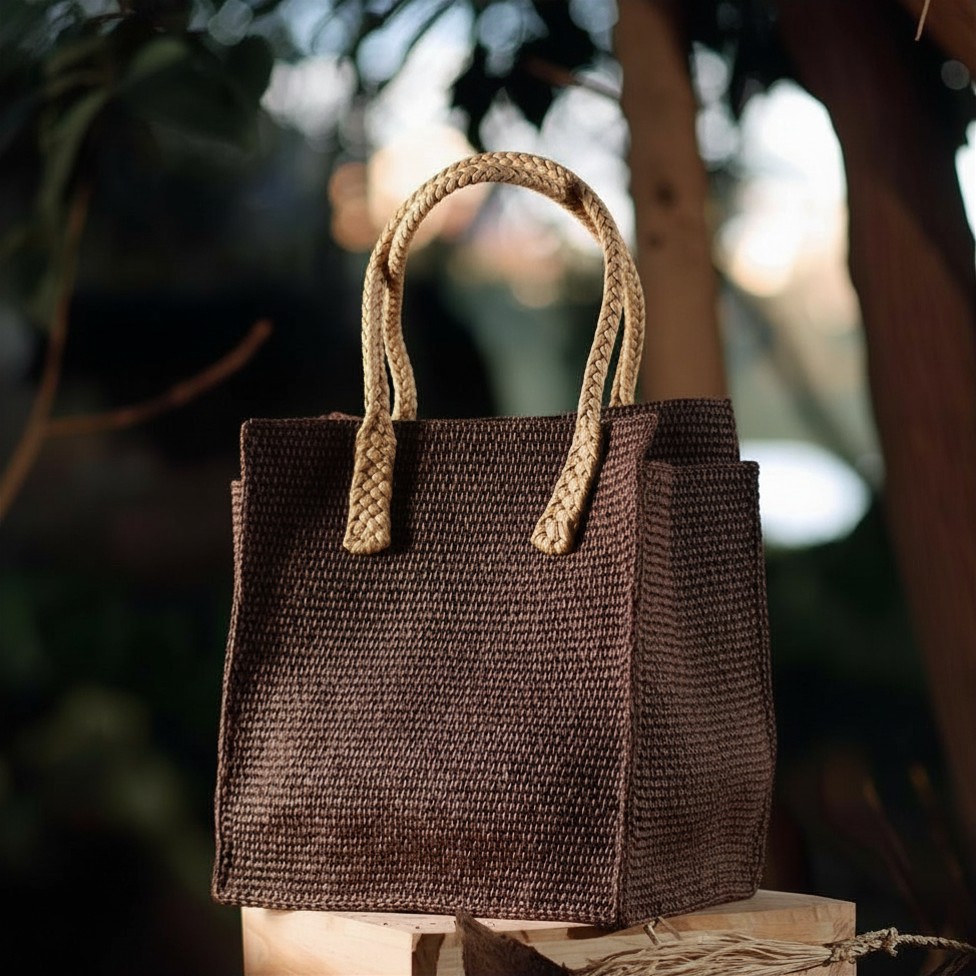
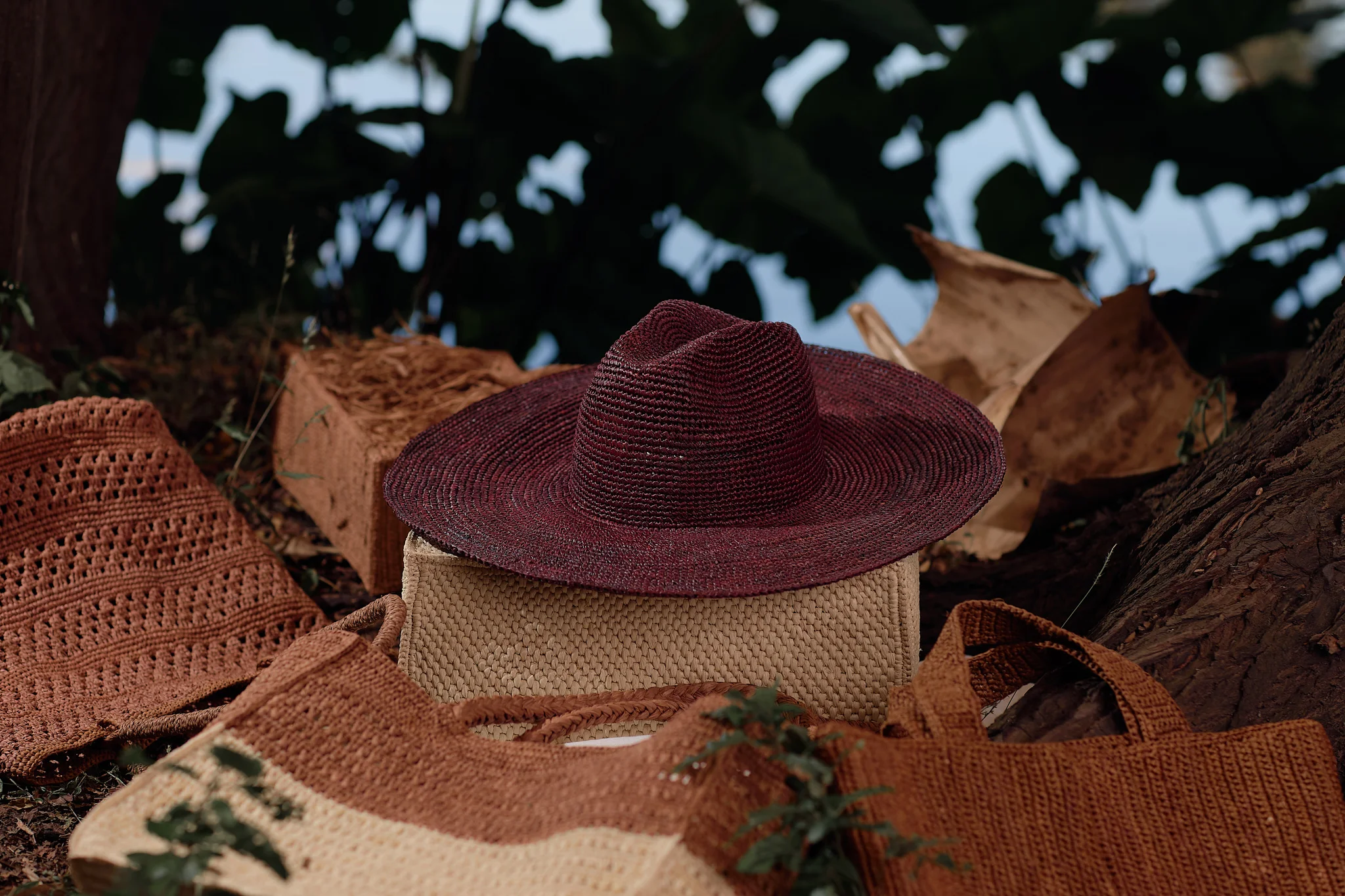
Why is raffia making a strong comeback in international fashion in 2026?
Long associated with local craftsmanship or summer accessories, raffia is…
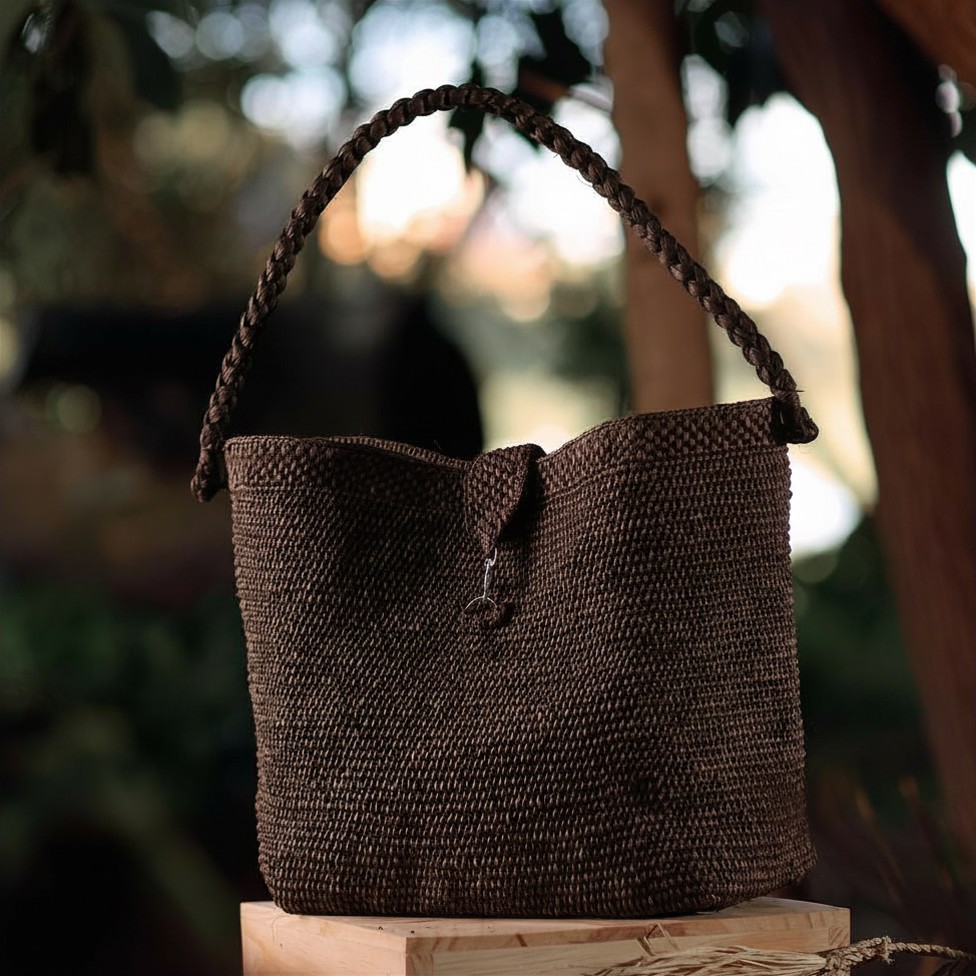
Behind a BLESSED accessory: the hands that create
Before becoming a bag, a basket or an accessory, every…
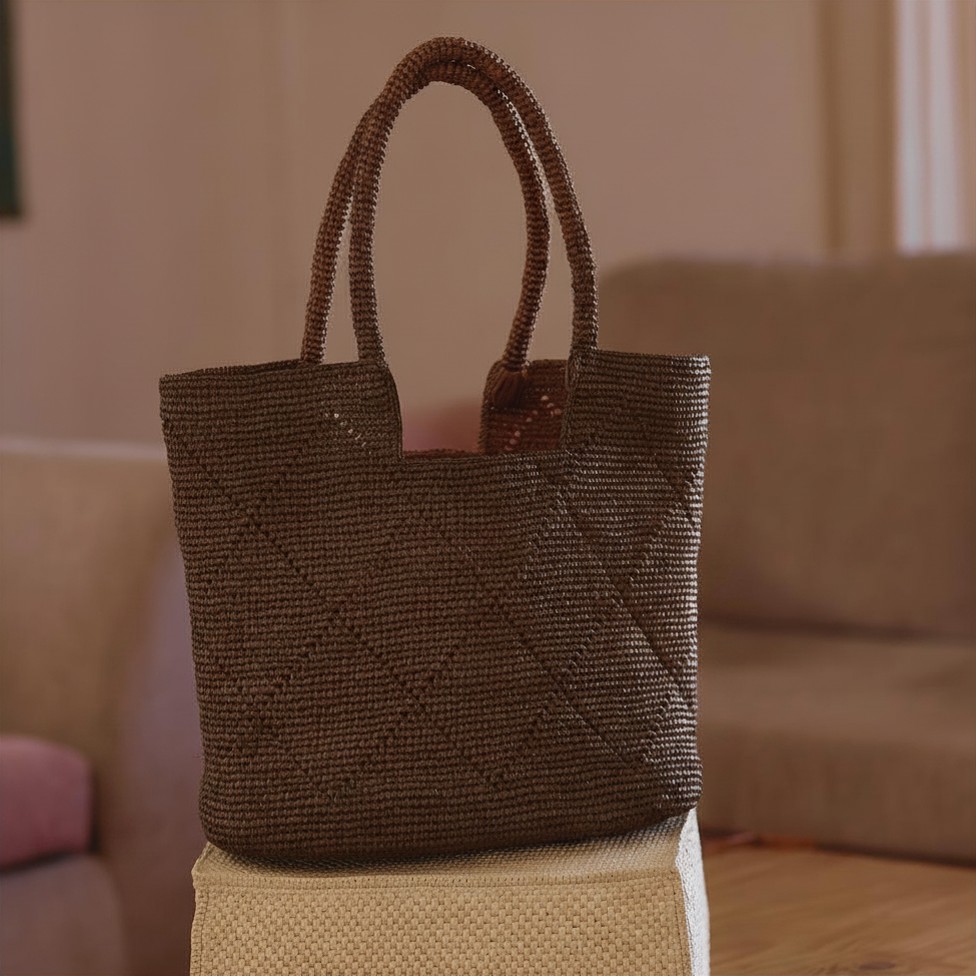
Handmade or machine-made: what consumers should know
In a world where everything moves fast, where industrial production…