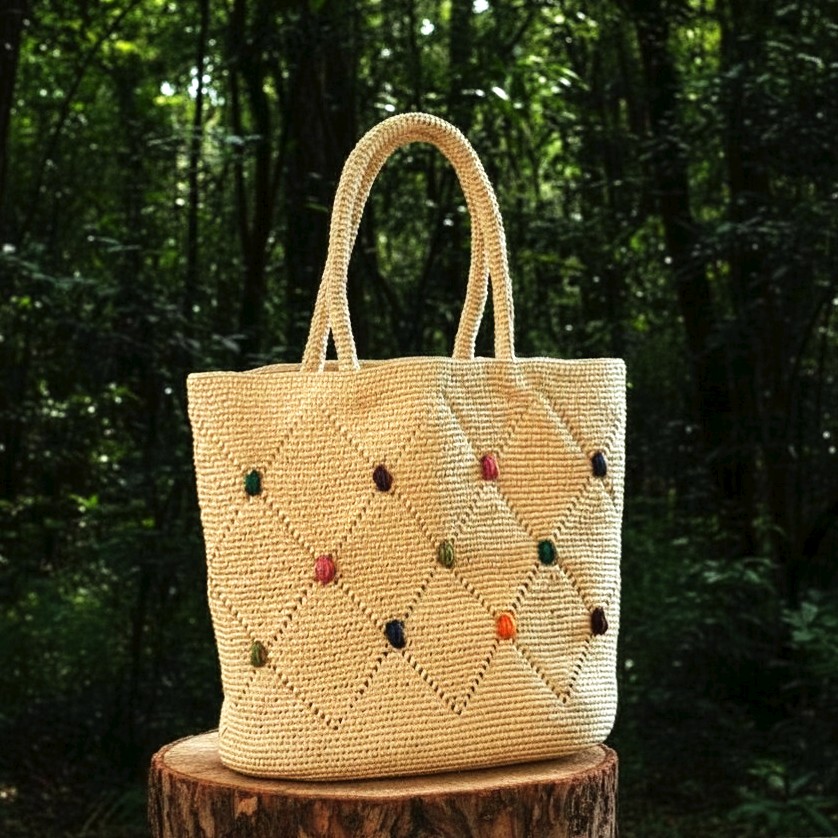
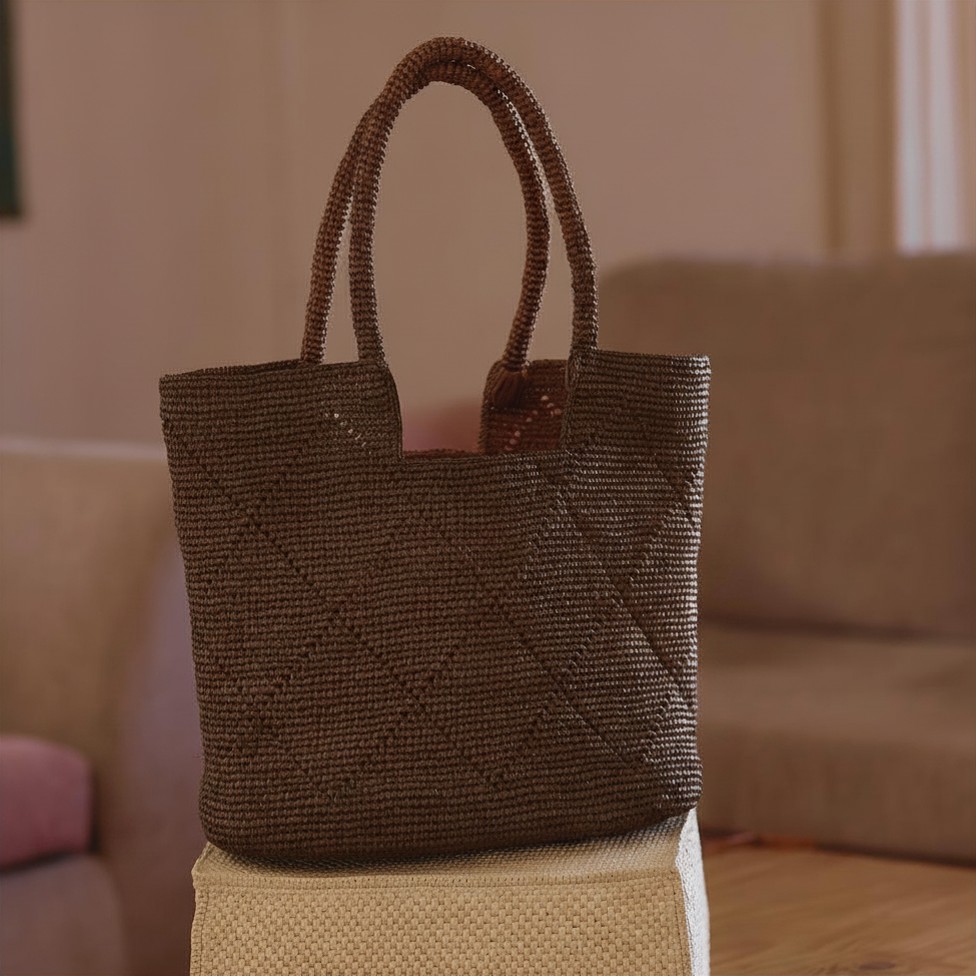
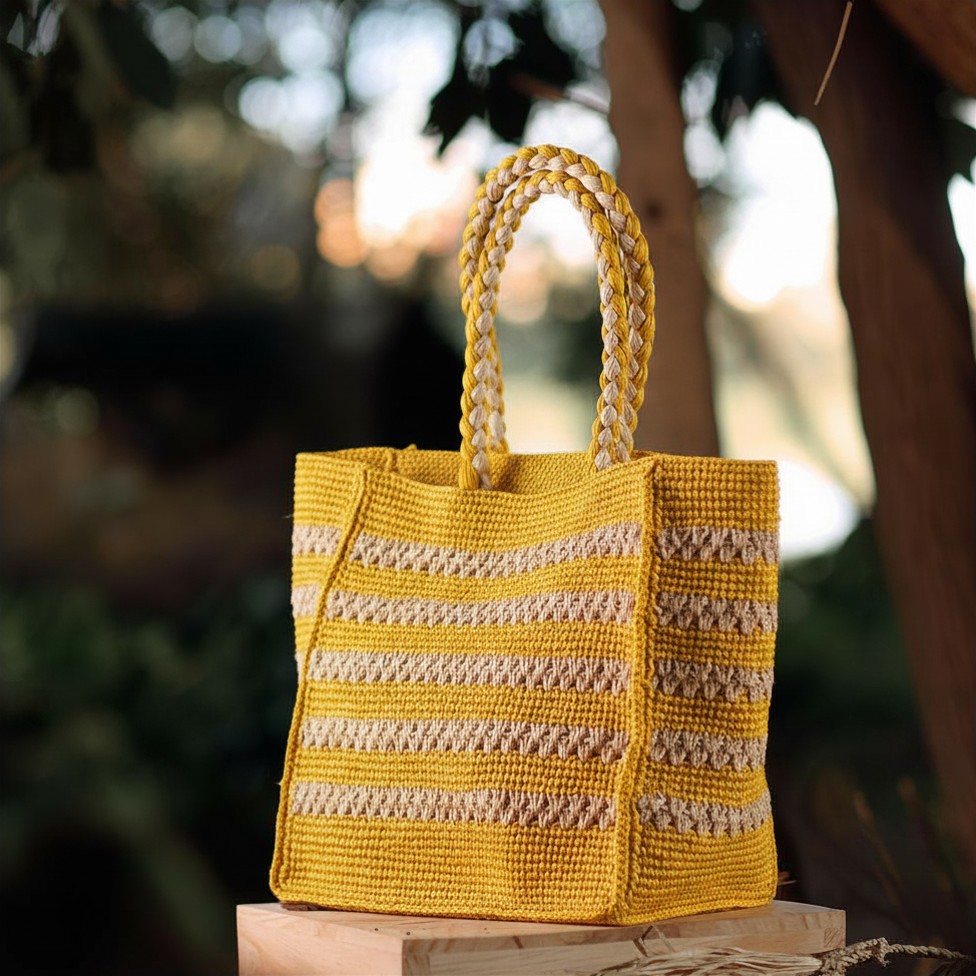
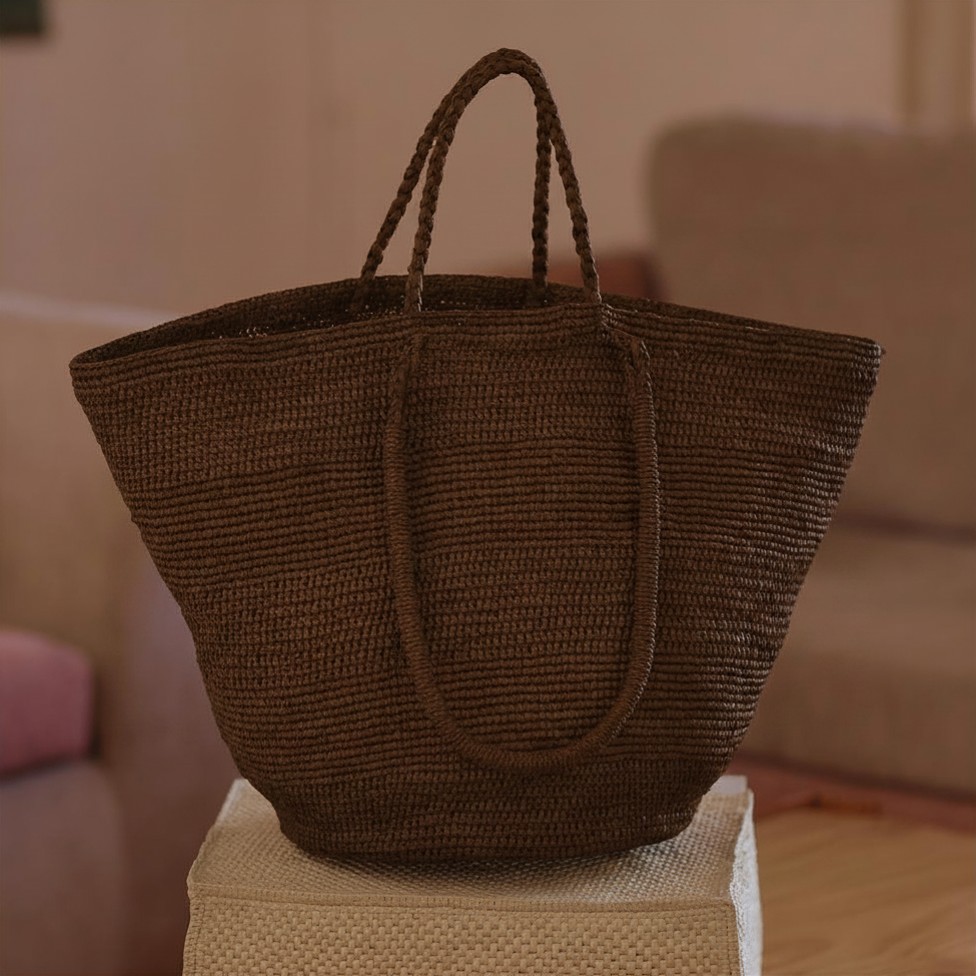
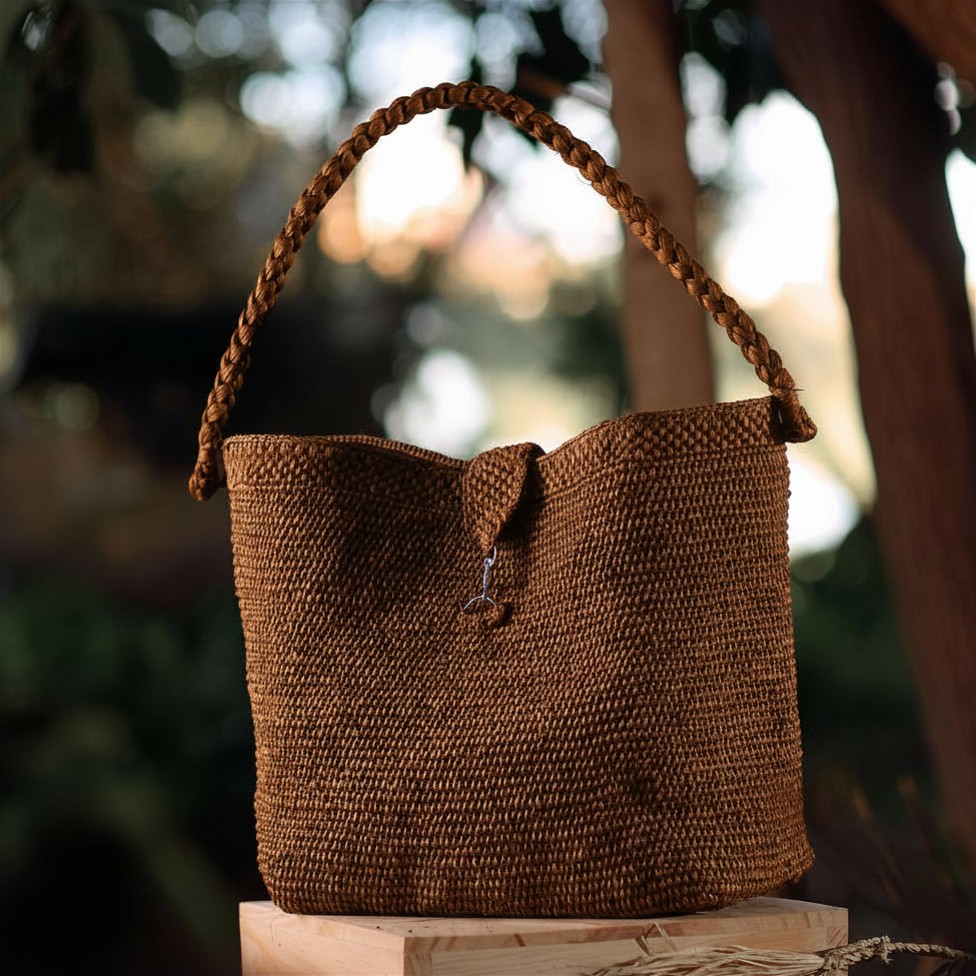
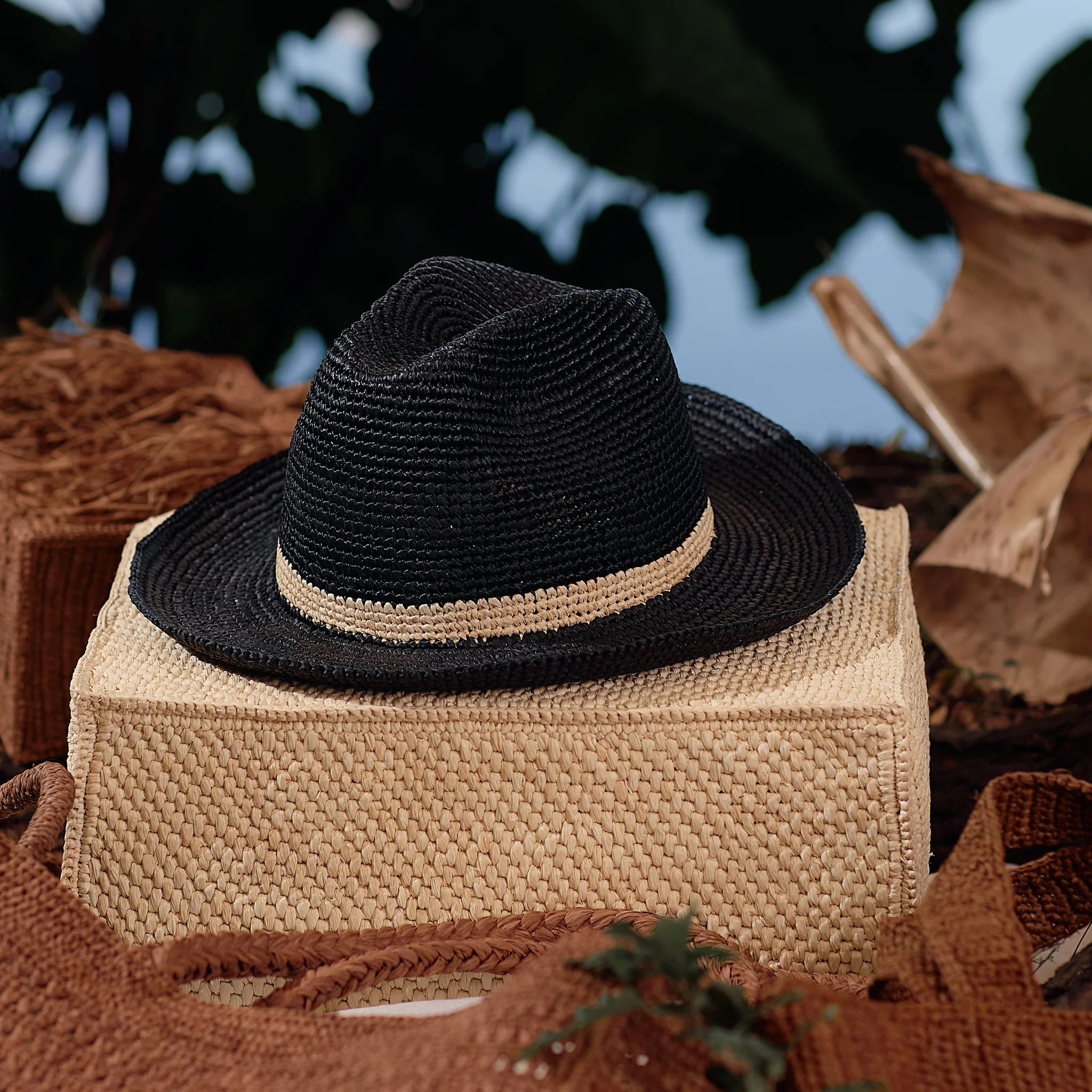
Increasingly present in the world of responsible fashion and craftsmanship, rabane is gaining attention for its raw, natural and elegant appearance. Often confused with raffia or sisal, it nevertheless has its own distinct characteristics, both in terms of origin and usage.
Understanding what rabane is also means better appreciating the value of handmade accessories and the importance of natural materials in a sustainable approach.
What is rabane?
Rabane is a natural plant fiber derived from tropical plants, traditionally used in artisanal weaving. It is distinguished by a more rigid and structured texture than raffia, while remaining lightweight and durable.
Highly valued for its structure and authentic finish, rabane is now used in the creation of handcrafted accessories, as well as in decoration and furniture.
Origins and history of rabane
A material rooted in artisanal traditions
Rabane has been used for generations in various parts of the world, particularly in tropical regions such as Madagascar, East Africa and certain islands of the Indian Ocean. It was originally part of everyday life, used to make baskets, mats and utilitarian bags.
The transmission of ancestral know-how
Working with rabane relies on traditional weaving techniques passed down from generation to generation. Each piece reflects mastery of artisanal gestures, as well as the patience and precision required to transform raw material into a functional and aesthetic object.
The specific characteristics of rabane
A naturally durable fiber
Unlike some softer fibers, rabane offers excellent structure and hold. It is ideal for creating structured accessories such as:
- rigid bags
- woven tote bags
- urban baskets
- hats with defined shapes
A raw and elegant aesthetic
Rabane stands out for its:
- natural and authentic look
- slightly textured finish
- timeless appeal
It fits perfectly into minimalist, bohemian or contemporary styles, without unnecessary embellishment.
A breathable and lightweight material
Despite its relative rigidity, rabane remains comfortable to wear, particularly for summer accessories. It allows air to circulate and retains its shape over time.
Uses of rabane in craftsmanship
Fashion accessories made from rabane
Today, rabane is widely used to create:
- woven rabane bags and totes
- structured pouches
- hats and visors
- hybrid accessories combining rabane, plant-based leather or fabric
These creations combine functionality, durability and style.
Rabane in artisanal decoration
Beyond fashion, rabane is also found in:
- decorative baskets
- storage items
- handcrafted lighting
- natural furniture elements
It brings a warm, organic touch to interior spaces.
Rabane, raffia and sisal: what are the differences?
Rabane vs raffia
- Rabane: more rigid and structured, ideal for defined shapes
- Raffia: softer and more flexible, perfect for crochet and fine details
-> Here are our creations made from raffia and those crafted from rabane.
Rabane vs sisal
- Rabane: lighter with a more natural appearance
- Sisal: thicker and extremely robust fiber, often used for very sturdy baskets
-> Below are our woven sisal accessories.
These materials are often complementary in high-end craftsmanship.
Why rabane fits perfectly into sustainable fashion?
A natural and biodegradable material
Rabane is a plant-based fiber that requires no heavy chemical processing, making it an environmentally friendly material.
Low-impact artisanal production
Its transformation relies mainly on manual labour, reducing carbon footprint while promoting a local and solidarity-based economy.
An ethical and responsible choice
Choosing rabane accessories means:
- reducing dependence on synthetic materials
- supporting local artisans
- encouraging a more conscious approach to fashion
Rabane at BLESSED
At BLESSED, rabane is valued as a noble material at the heart of an ethical approach. Each creation highlights:
BLESSED rabane accessories are designed to last, transcend seasons and tell a meaningful story.
Conclusion
Rabane is far more than a simple natural fiber. It embodies an artisanal heritage, a timeless aesthetic and a concrete response to the challenges of sustainable fashion.
Thanks to its specific qualities—durability, structure and natural elegance—it stands out as a material of choice for responsible and authentic accessories.
Choosing rabane means embracing a fashion that makes sense: respectful of people, craftsmanship and nature.