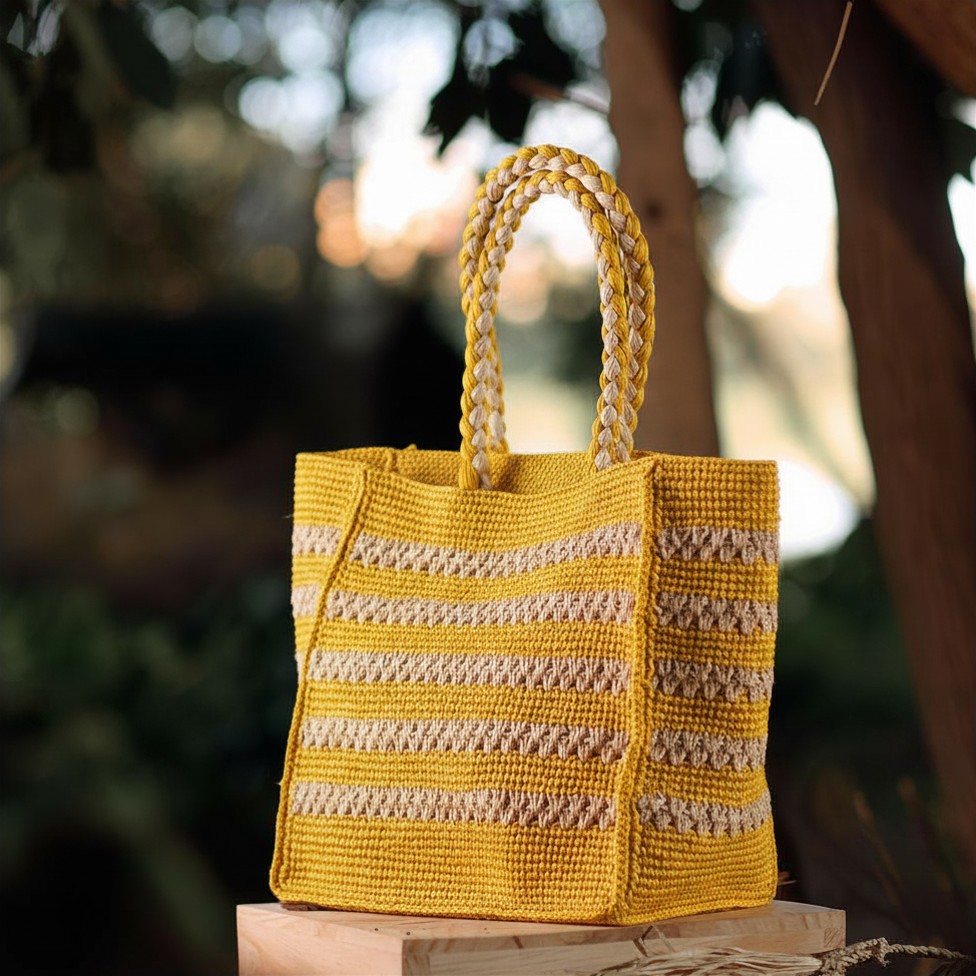
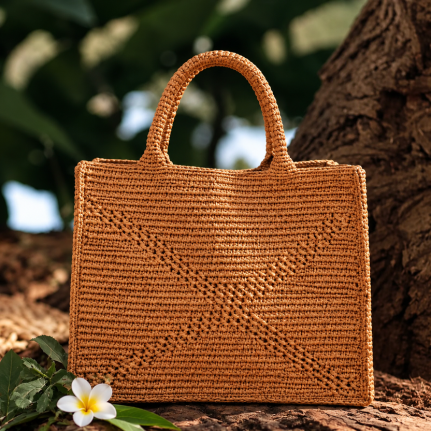
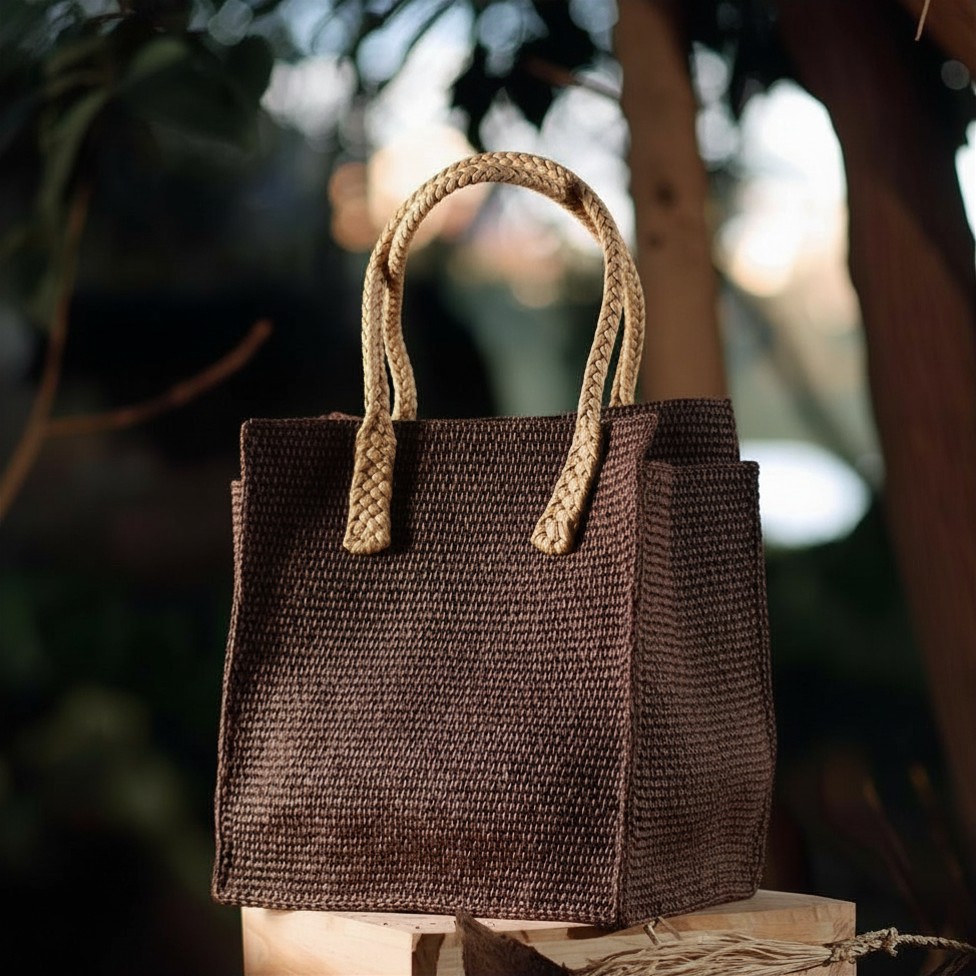
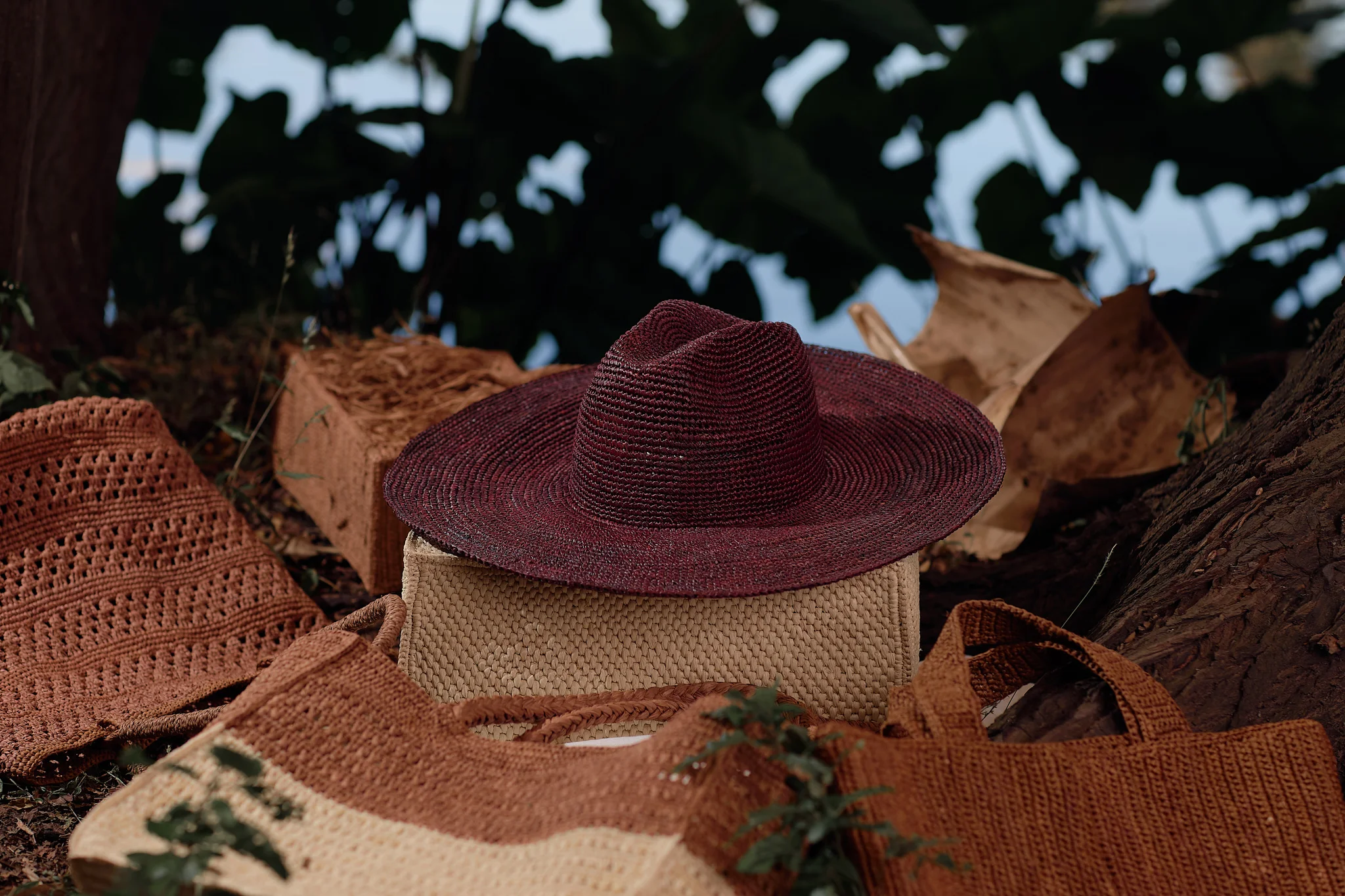
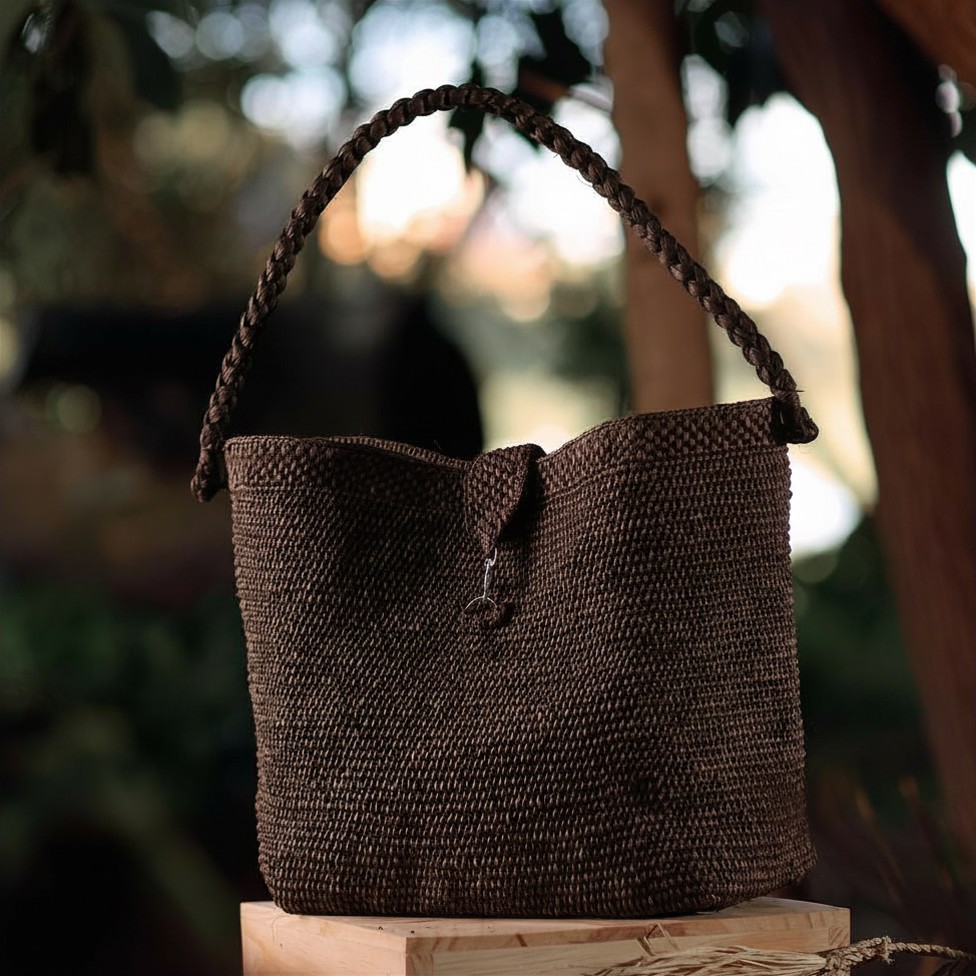
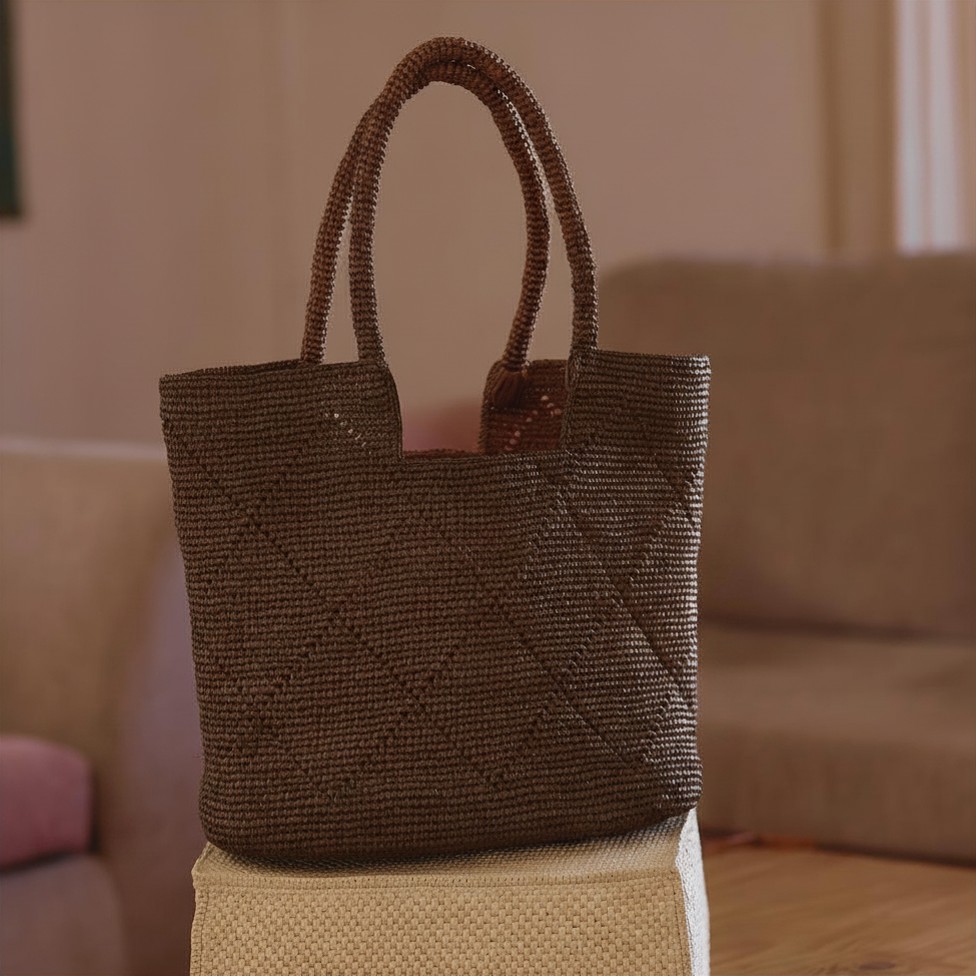
Before becoming a bag, hat, or clutch, every handmade accessory begins as raw, natural and living material. Behind each handcrafted piece lies a long journey, marked by time, patience, and the skill of the artisans.
In a world dominated by industrial production, understanding the creation process of a handmade accessory helps restore value to everyday objects and encourages more conscious, respectful consumption. This raises the question: Raffia in Madagascar: a strategic asset on the global market?
Raw material: the starting point of every creation
Natural fibers from nature
The journey begins with selecting the raw material. Raffia, sisal, rush, or local plant fibers are chosen for their natural qualities:
- strength
- flexibility
- durability
- low environmental impact
-> The nature fiber – raffia – from Madagascar
These fibers are renewable and biodegradable, unlike synthetic fibers derived from petrochemicals
Respectful harvesting
Natural fibers, particularly raffia, are harvested carefully to protect both the plant and its ecosystem. Leaves are taken without destroying the tree, ensuring a sustainable and responsible resource.
Preparing the material: invisible but essential work
Drying and sorting
After harvesting, the fibers are:
- sun-dried naturally
- sorted according to quality, length, and colour
This step determines the strength and appearance of the final accessory.
Softening and dyeing
The fibers are then softened to facilitate artisanal work. Some may be dyed with natural pigments, while others retain their raw shade to preserve authenticity
-> The different techniques for working with raffia
Artisanal techniques: the heart of the process
Traditional handcrafting
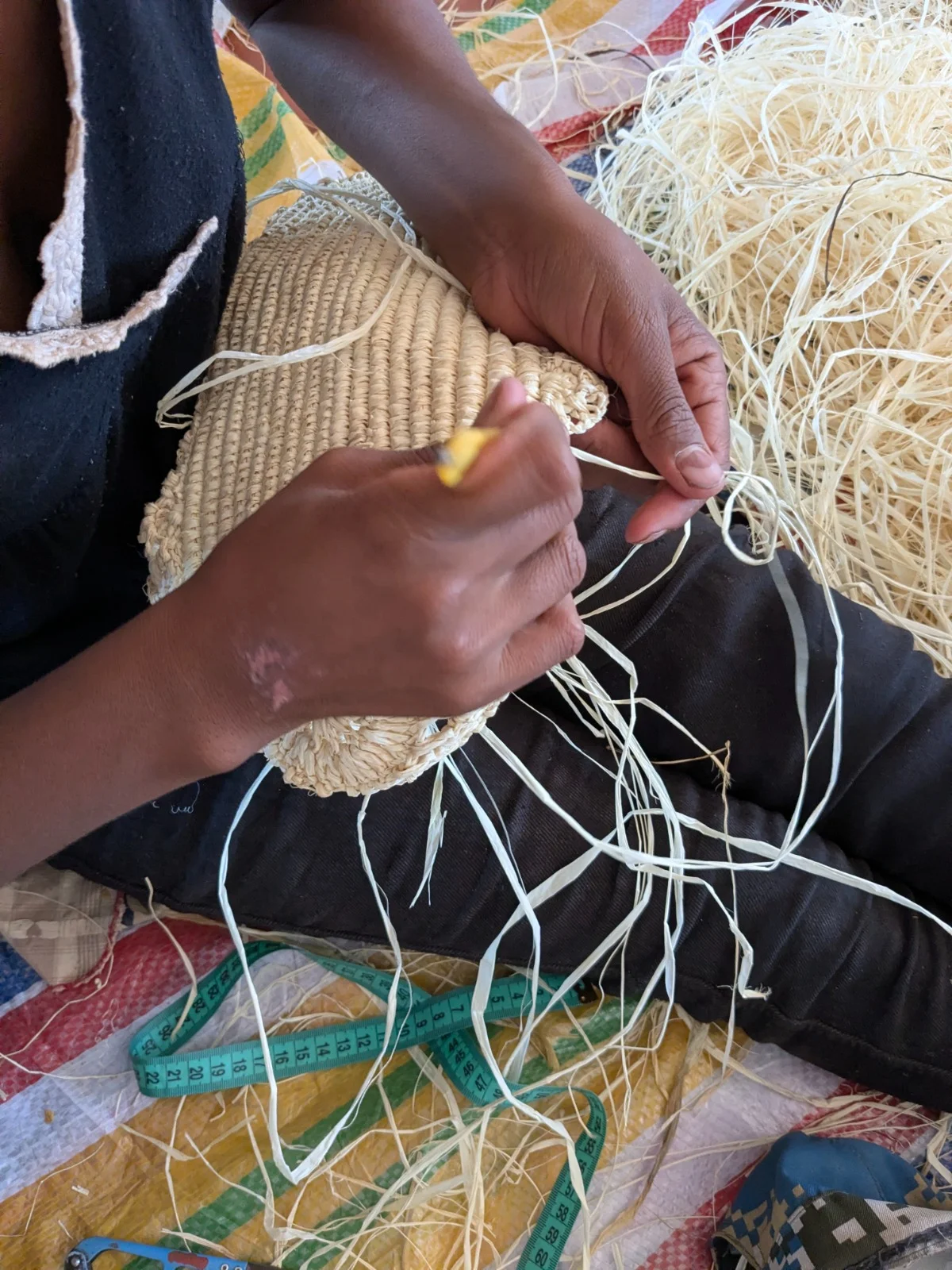
This is where raw material takes shape. Artisans employ ancestral techniques such as:
Each movement is precise, repeated, and passed down through generations. No two accessories are exactly alike.
Time as a value
Unlike industrial production, time is an ally. Crafting a handmade accessory can take several days, or even longer depending on the complexity.
This time investment ensures:
- greater durability
- meticulous finishing
- a functional, long-lasting piece
Raffia and storytelling: when a material becomes a selling point at BLESSED.
Assembly and finishing: bringing the accessory to life
Structure and assembly
Once woven or crocheted, the components are assembled:
- handles or straps attached
- textile linings added
- fastenings or buttons integrated
Every detail balances aesthetics with practicality.
Artisanal finishing
Finishing touches make all the difference. Edges, reinforced stitching, decorative knots — they enhance longevity and highlight the beauty of the fiber.
Quality control: an artisan requirement
Before sale, each accessory is inspected:
- handle strength
- weaving consistency
- shape and stitch balance
This step guarantees a reliable product ready for daily use.
A unique piece
Despite quality checks, every accessory retains slight natural variations, hallmarks of handmade creation. These nuances prove its authenticity.
From workshop to everyday life
An accessory full of meaning
Once complete, the accessory leaves the workshop to enter your life. It becomes:
- a practical item
- a style element
- a symbol of responsible consumption
Each use prolongs the story of the material and artisanal craft.
A sustainable alternative
Choosing an accessory made through such a journey means:
- supporting local craftsmanship
- preserving natural resources
- promoting slower, more human-centred fashion
Why this journey change our perspective on fashion?
Understanding the path from raw material to finished accessory allows us to:
- better appreciate a product’s value
- move beyond disposable thinking
- build a more sustainable relationship with our belongings
Discover how to choose the right handbag for your style and body type?
Conclusion
From raw material to finished accessory, every step in artisanal creation honours time, skill, and nature. Behind each handmade bag, hat, or basket lies a patient, rich, and respectful process.
Choosing a handmade accessory is embracing conscious, sustainable, and deeply human fashion — fashion that tells a story, fiber by fiber.