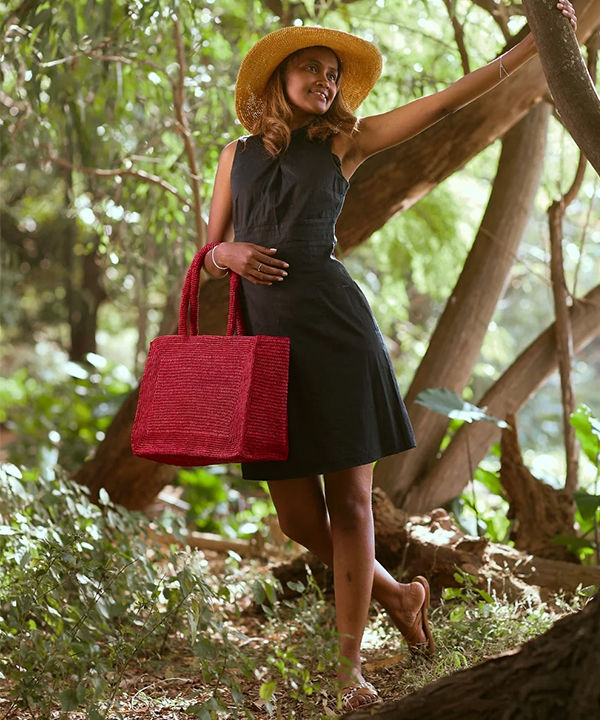
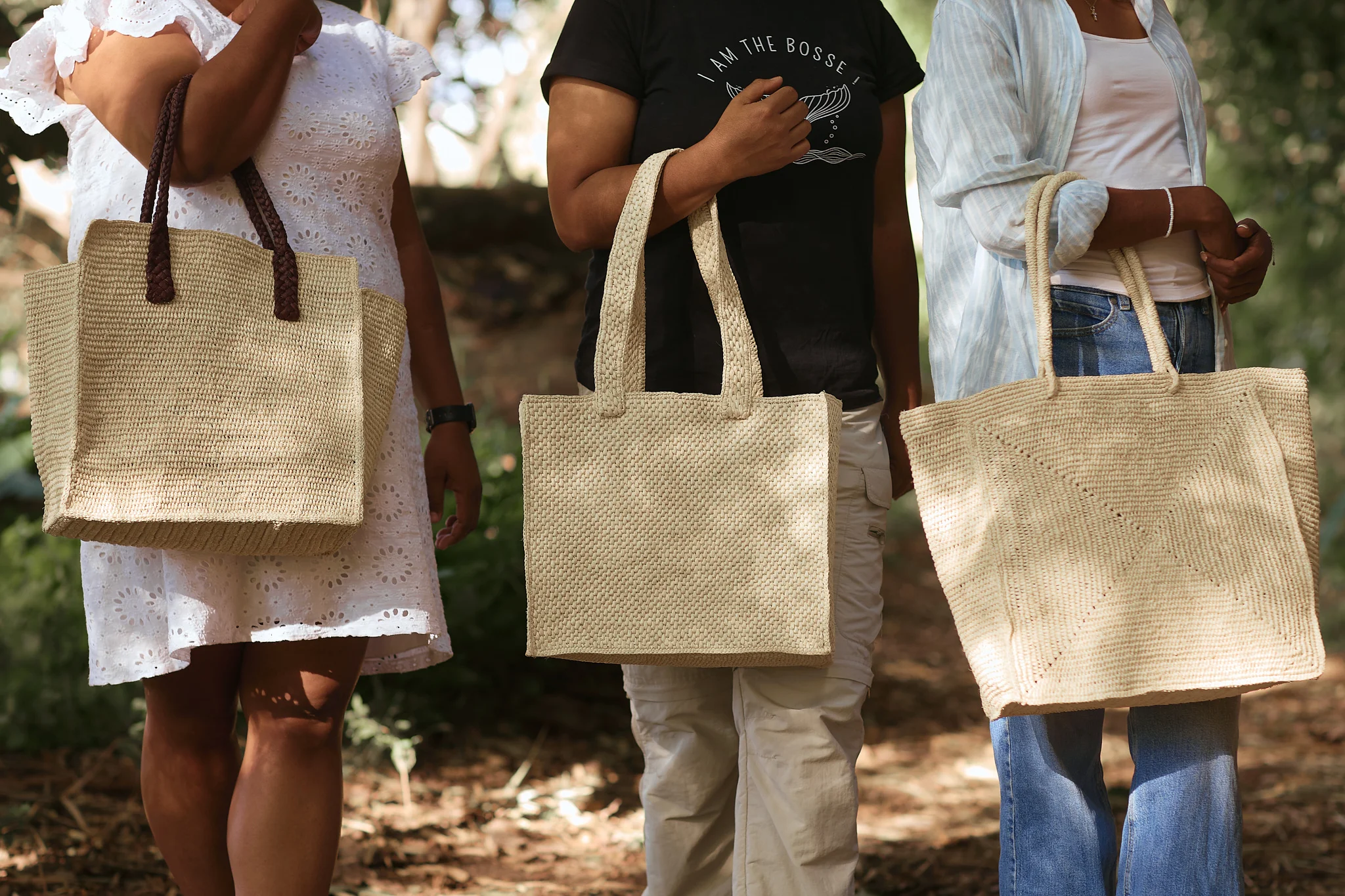
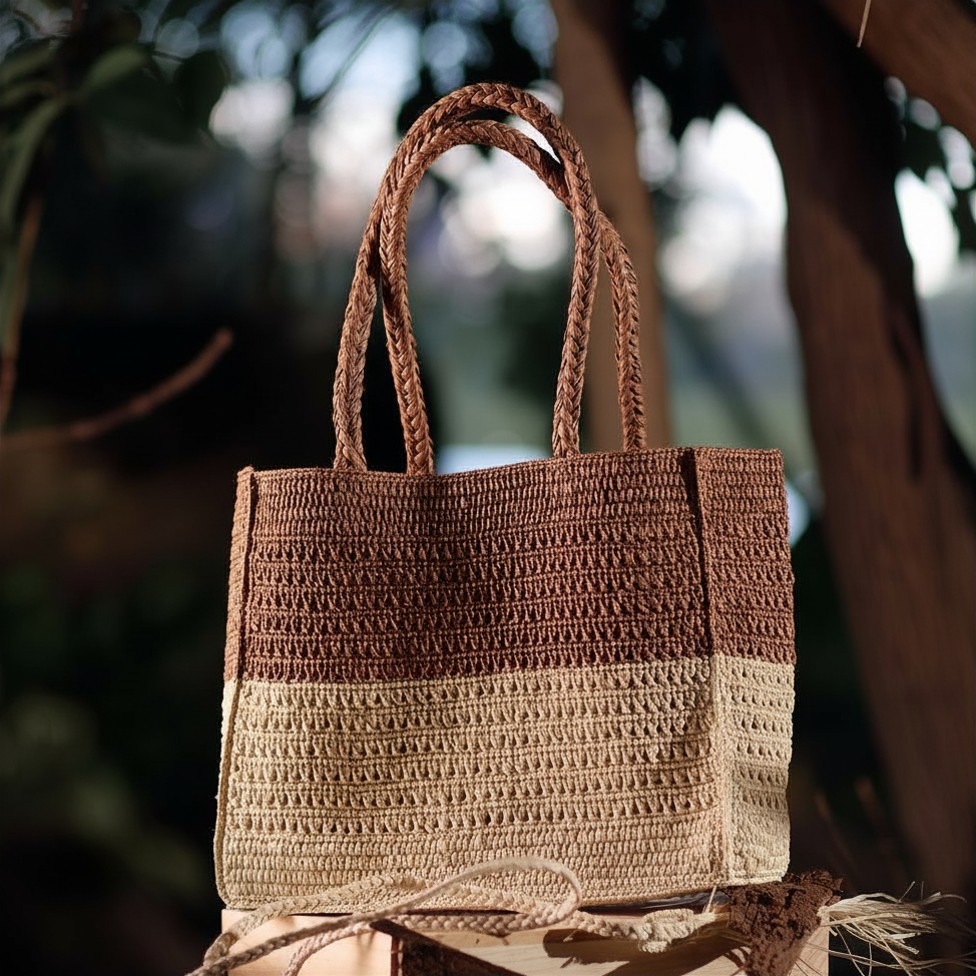
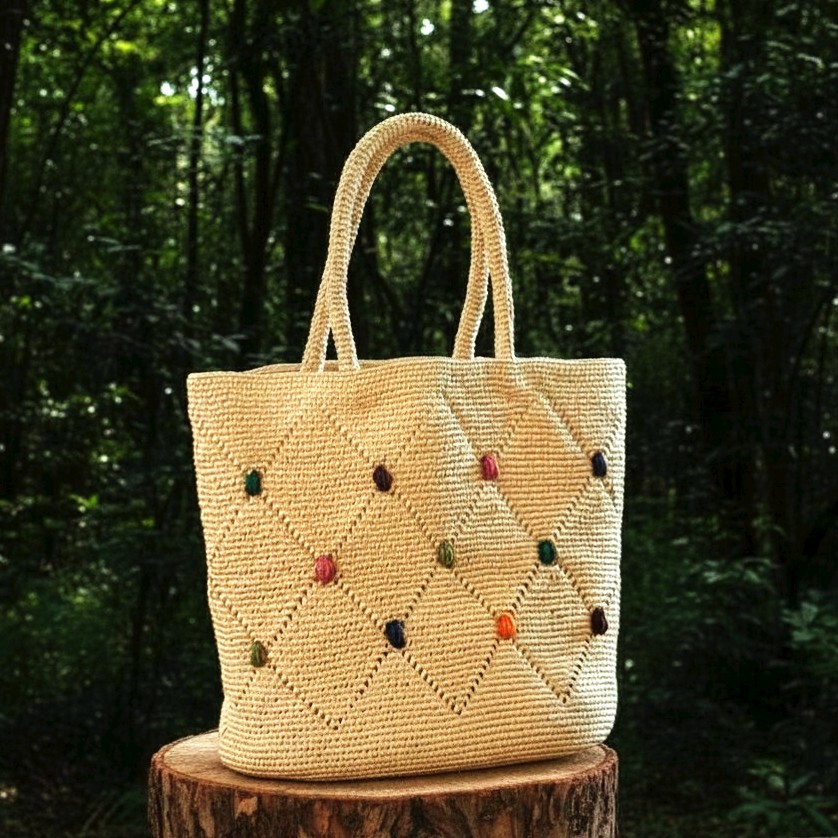
Crochet is currently enjoying a real revival in fashion and accessories. Long associated with traditional craftsmanship, it now appeals to a growing audience in search of authenticity, durability and meaning.
However, not all crocheted products are created equal. Behind sometimes similar appearances lie two very different realities: handmade crochet and industrial crochet.
So what are the real differences? And why do committed brands such as BLESSED choose artisanal crochet?
Two approaches, two visions of crochet
Handmade crochet
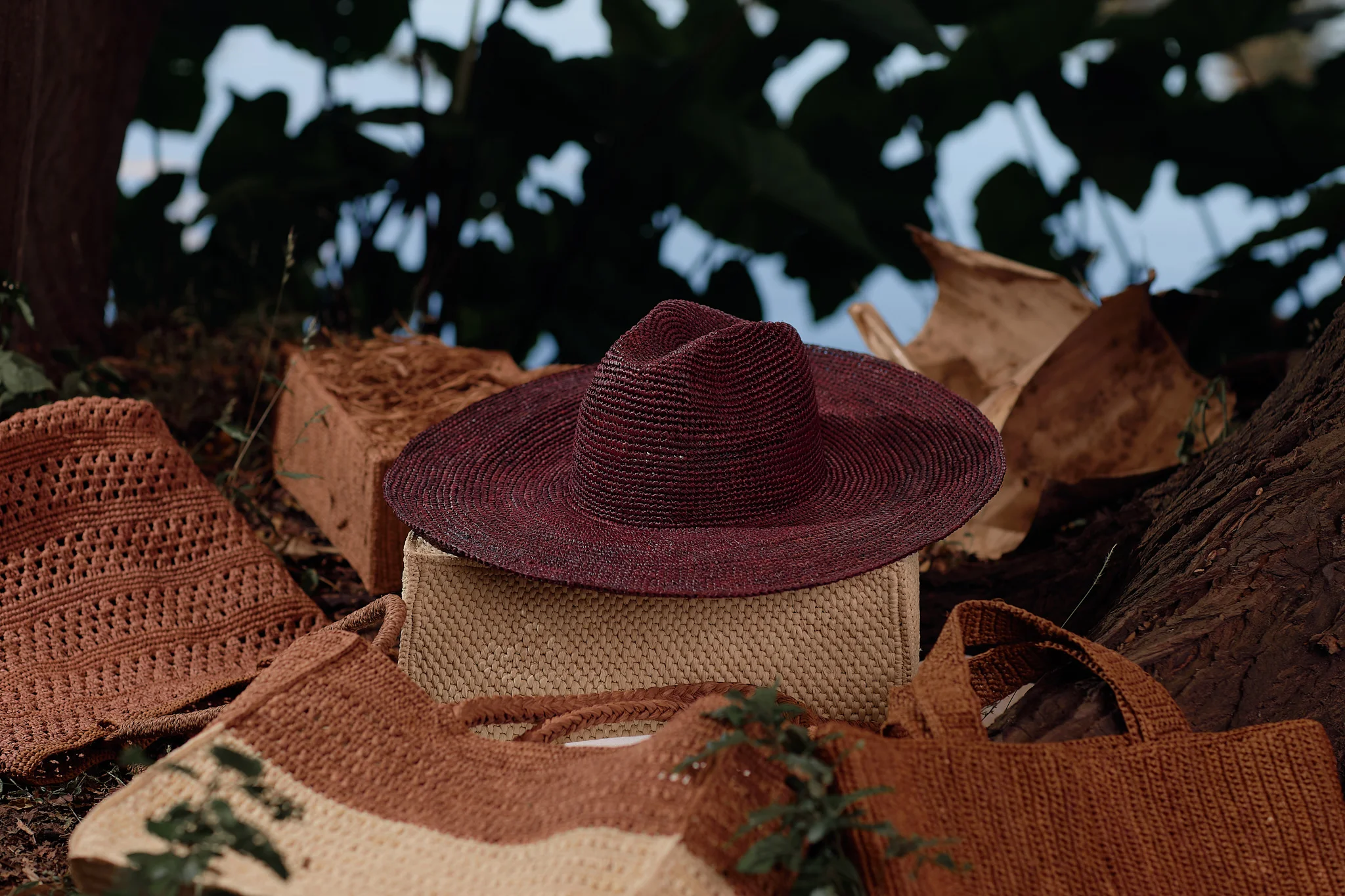
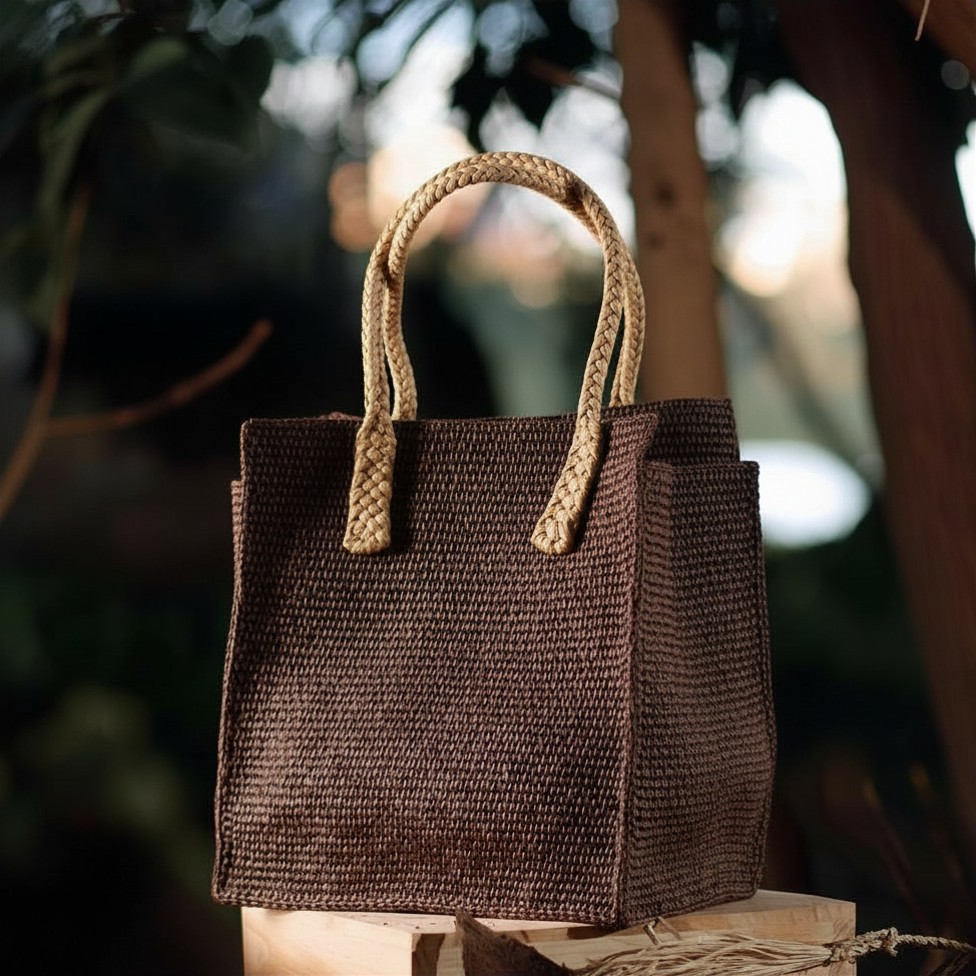
Handmade crochet is based on entirely manual work. Each piece is created stitch by stitch, by hand, using know-how passed down from generation to generation.
This method requires:
- time,
- patience,
- great precision,
- strong human involvement.
In Madagascar, artisanal crochet is deeply rooted in local culture and represents a true heritage. It is also:
Industrial crochet
Industrial crochet is produced using machines capable of quickly reproducing standardised patterns. This method enables large-scale production at lower cost.
While it meets volume-driven objectives, it significantly limits the uniqueness of each piece.
Differences in quality and finishing
The controlled irregularity of handmade work
In artisanal crochet, each creation shows slight variations. Far from being flaws, these differences are the hallmark of human craftsmanship and of a truly unique piece.
Finishes are often:
- better adapted to the material used.
At BLESSED, each accessory is carefully checked to ensure long-lasting quality. Discover how our artisans transform fiber into freedom.
The standardisation of industrial crochet
Industrial crochet offers perfect uniformity, but often at the expense of product character. Finishes are quicker and sometimes less suited to natural fibers.
Impact on durability and longevity
Crochet designed to last
Handmade crochet is generally more robust. Artisans adjust yarn tension, reinforce key areas and adapt the work to the intended use of the accessory.
The result: pieces designed to stand the test of time. Visit our shop!
A lifespan that is often shorter
Industrial crochet prioritises speed. Durability may be affected by:
- uniform tension not adapted to the material,
- lower-quality fibers,
- production optimised for cost rather than longevity.
A major difference in human and social impact
Valuing artisanal work
Choosing handmade crochet means supporting:
- traditional skills,
- local communities,
- a more human-centred economy.
At BLESSED, Malagasy artisanal crochet is at the heart of our approach, helping to preserve ancestral techniques while creating sustainable economic opportunities.
Industrial production and human disconnection
By contrast, industrial crochet often reduces human involvement to machine supervision, distancing the product from its cultural and social origins.
Aesthetics and identity: the soul of the product
Each piece tells a story
Handmade crochet has a soul. Each stitch reflects the artisan’s gesture, rhythm and sensitivity, giving rise to unique accessories with a strong identity.
Interchangeable products
Industrial crochet, while visually appealing, produces identical pieces with no real story or individuality.
Why BLESSED prioritises handmade crochet
Consistency with ethical fashion
BLESSED is rooted in a vision of ethical and sustainable fashion, prioritising:
- manual craftsmanship,
- natural fibers,
- small-scale, human-sized production.
Malagasy artisanal crochet allows us to offer accessories that carry meaning beyond their purely aesthetic function.
Durable and timeless creations
By choosing handmade crochet, BLESSED offers pieces designed to last through seasons, far removed from fleeting trends and mass production.
How to recognise high-quality handmade crochet
Quality artisanal crochet can be identified by:
- naturally consistent stitches,
- strong finishing,
- a pleasant feel to the touch,
- durability suited to its intended use.
These criteria are essential when investing in a long-lasting accessory. Read more on how to recognise high-quality handmade crochet.
Conclusion: a choice that goes beyond aesthetics
The difference between handmade and industrial crochet goes far beyond appearance. It affects quality, durability, human impact and the overall value of the product.
By choosing artisanal crochet, as BLESSED does, you opt for a more conscious form of fashion — one that respects craftsmanship and carries meaning. A choice that transforms a simple accessory into a unique piece, rich in history and authenticity.