



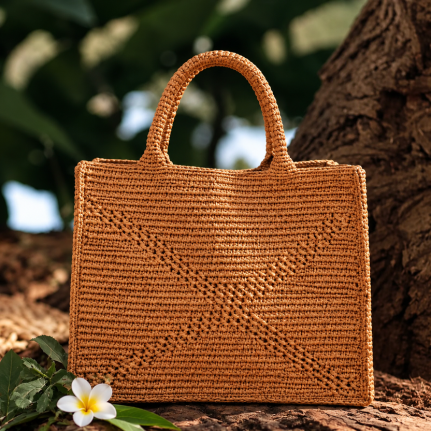
The raffia palm, a tropical plant native to Africa and Asia, is well known for its long, strong fibers used to make craft items such as bags, hats and baskets. If you love exotic plants and want to grow this beautiful plant at home, this article is for you!
Find out how to grow a raffia palm in your garden or indoors, and learn how to care for this fascinating plant that provides the raw material for your favourite handicrafts.
What is a raffia palm ?
The raffia palm (Raphia farinifera) is a tropical palm that can reach up to 25 metres in height in its natural habitat. Its very broad and long leaves produce fibers that are harvested to make handicrafts. Raffia fibers are extremely strong and versatile, making them ideal for creations such as bags, baskets, and other accessories.
It is particularly valued in many cultures, notably in Madagascar, where it is used in high-quality traditional and handicraft products.
Why grow a raffia palm at home ?
You’re probably wondering why you should grow a raffia palm at home. The reasons are many and varied. Firstly, its large leaves add an elegant, tropical aesthetic touch to your garden or interior. Secondly, by growing a raffia palm, you are contributing to the preservation of a precious plant species, often used by artisan communities for their creations.
Finally, for those who love crafts, harvesting the fibers yourself to create raffia objects becomes a rewarding and creative experience.
What climate and soil for the raffia palm ?
To ensure optimum growth for your raffia palm, it’s important to recreate the climate and soil conditions suited to its needs. This tropical plant prefers an average temperature of between 20°C and 30°C and requires a humid environment, especially if you are planting it indoors. The soil should be well-drained, rich in organic matter and slightly acidic to neutral. Don’t hesitate to enrich the soil with compost to ensure healthy, vigorous growth.


How do you plant a raffia palm ?
Once you’ve created a suitable environment for growing the palm tree, it’s time to plant it. Here are the steps to follow :
- Seed selection : Buy quality seeds from a reputable seller or specialist nursery.
- Soil preparation : Choose a sunny spot and prepare rich, well-drained soil.
- Planting : Plant the seeds about 5 cm deep and space them far enough apart to allow them to develop.
- Watering : Water regularly to keep the soil moist, but avoid standing water.
- Patience : Germination can take several weeks, so be patient. Once the plant is well established, it will start to grow rapidly.
Maintenance and growth
Once your raffia palm is in place, it will require regular maintenance to flourish fully :
- Watering : Be sure to water frequently, especially in hot weather, but make sure the water doesn’t stagnate.
- Exposure to the sun : The palm tree loves the sun, so place it in a bright spot or outside so it can take advantage of the light it needs to grow.
- Pruning : Remove dead or yellowed leaves to encourage healthy new growth.
Harvesting raffia fibers (optional)
If you’re interested in harvesting raffia fibers for your craft creations, here’s how to go about it :
- Allow the plant to mature : Wait until the leaves are long and sturdy enough before cutting them.
- Harvest the fibers : Use a sharp knife to cut the leaves and extract the fibers.
- Dry the fibers : Allow the fibers to dry before using them to make bags, baskets or other handicrafts.
Raffia crafts: from plant to object
At BLESSED, we value traditional craftsmanship and handwork. Every product made from raffia is meticulously handcrafted, using natural fibers from sustainably grown raffia palms. By buying our products, you’re not only supporting local artisans, but you’re also owning unique objects made with care and passion. Raffia handicrafts are much more than just manufacturing: they’re a true testament to culture and know-how.
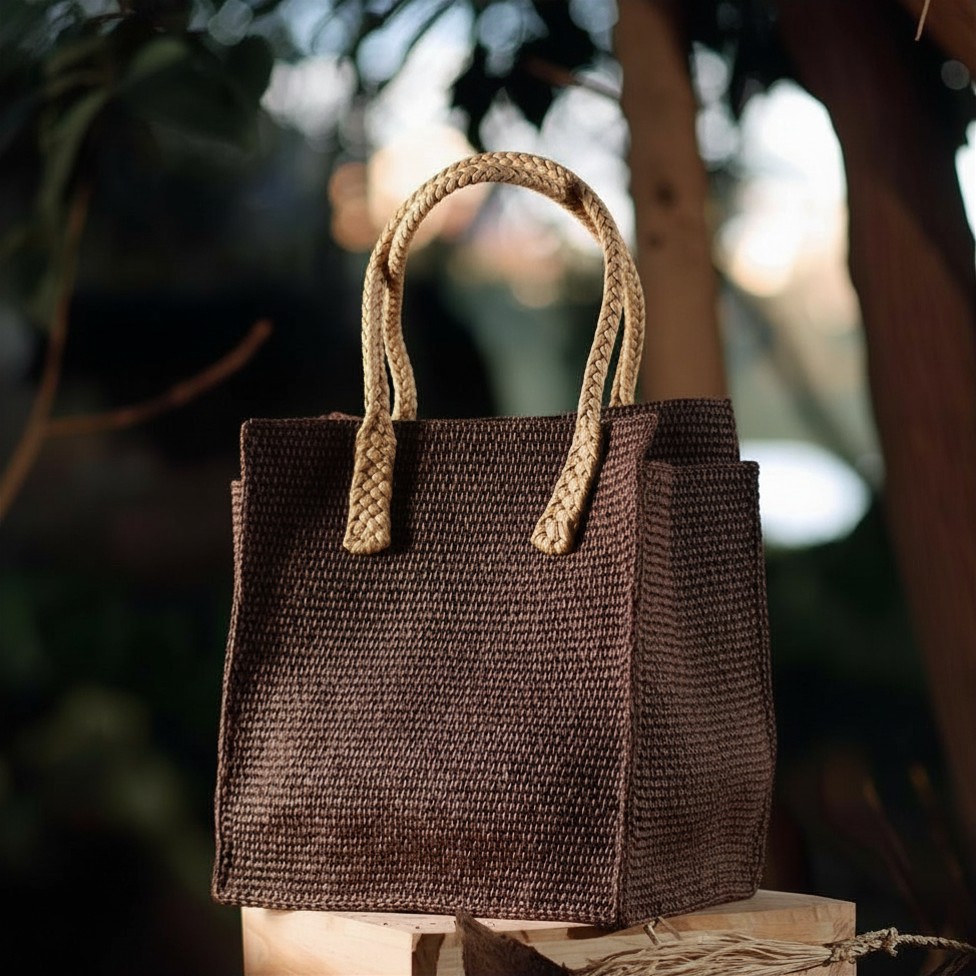
Why is raffia making a strong comeback in international fashion in 2026?
Long associated with local craftsmanship or summer accessories, raffia is…
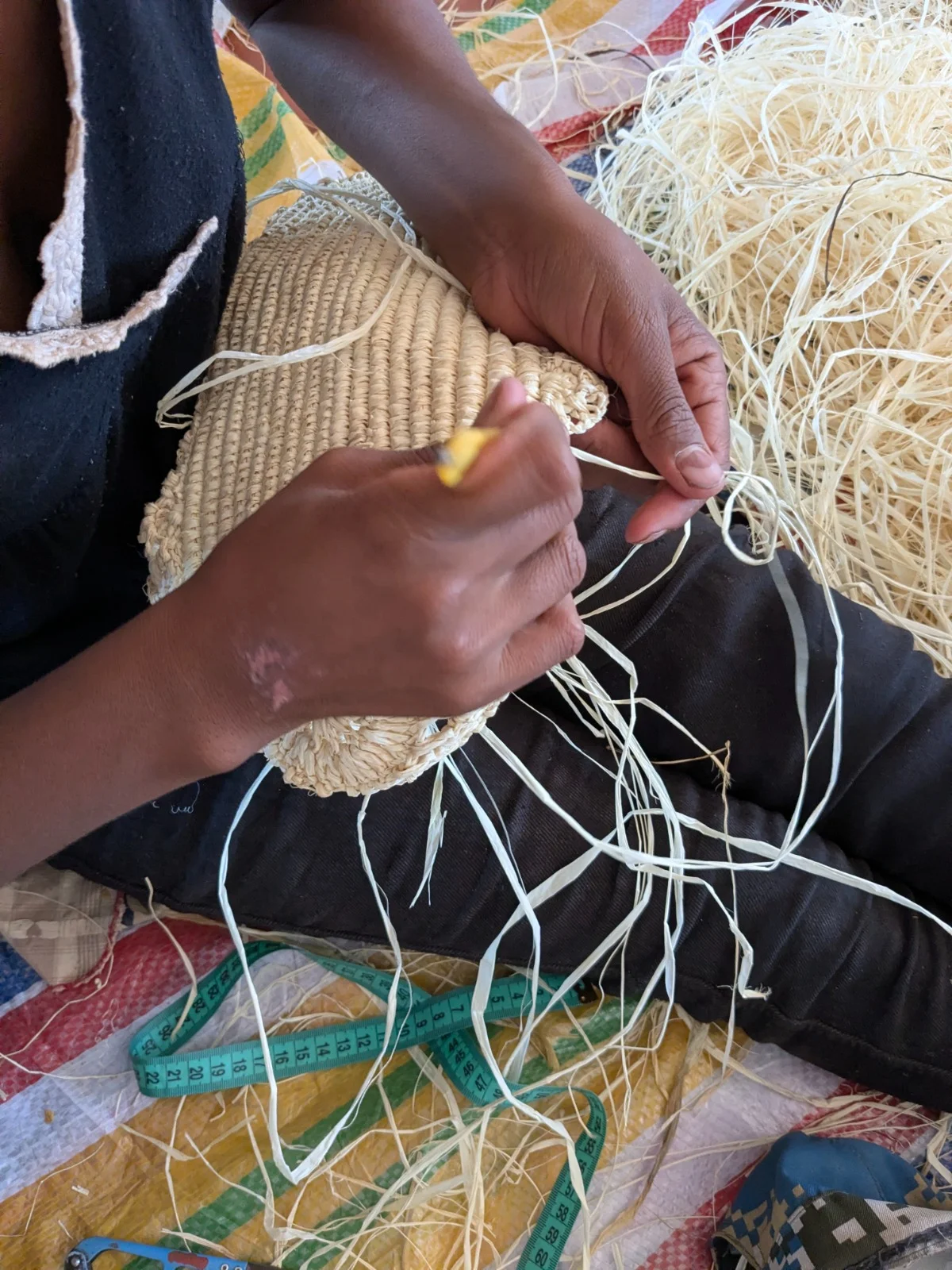
Behind a BLESSED accessory: the hands that create
Before becoming a bag, a basket or an accessory, every…
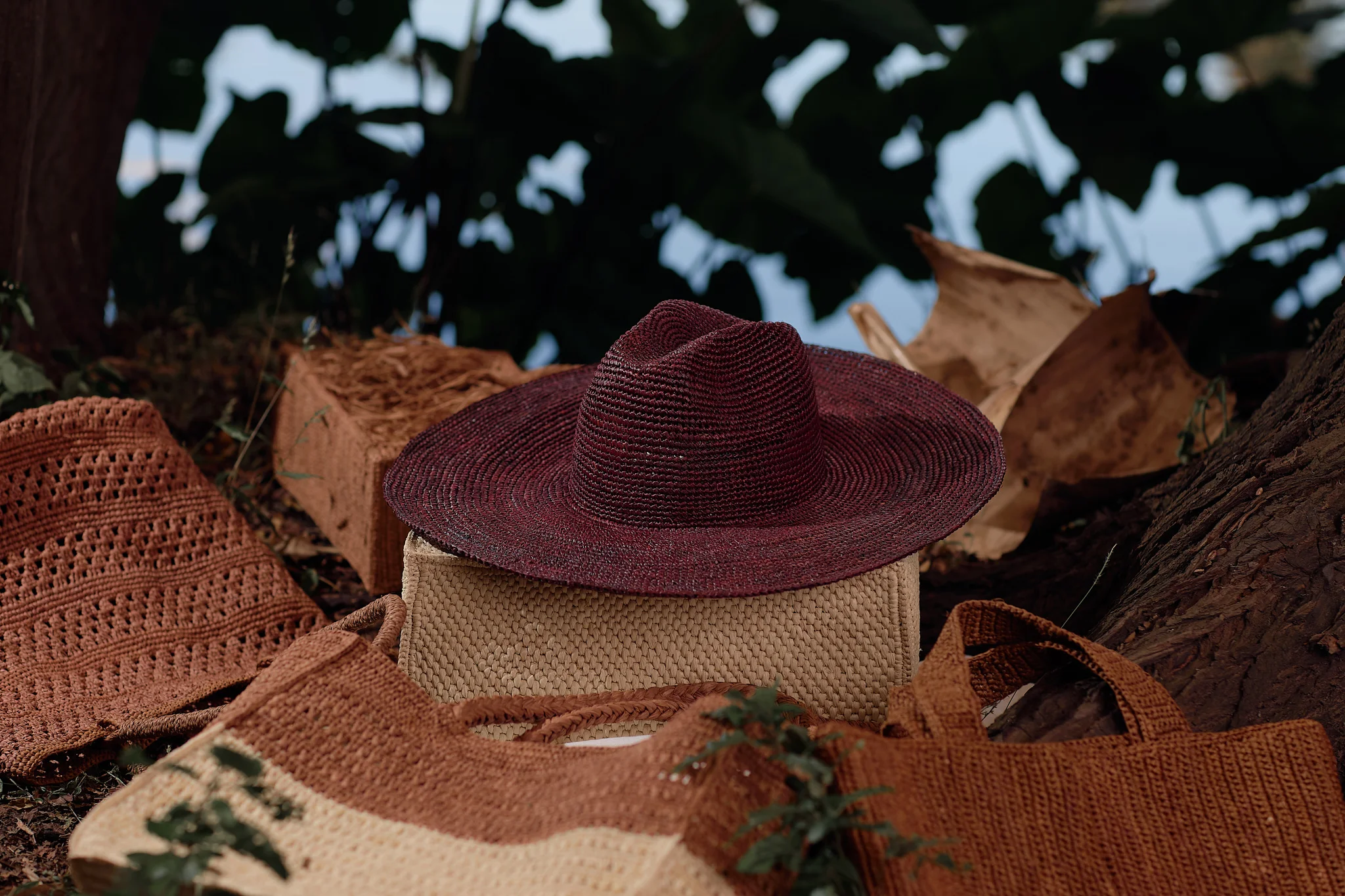
Handmade or machine-made: what consumers should know
In a world where everything moves fast, where industrial production…