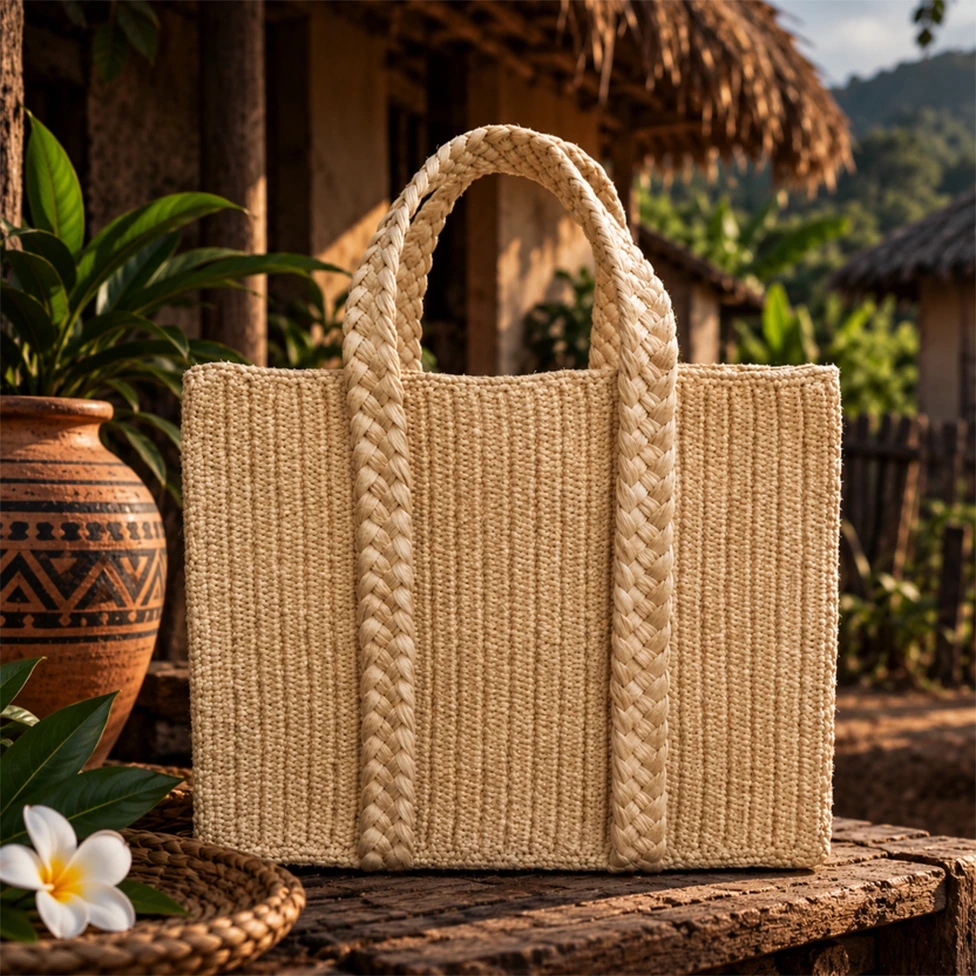
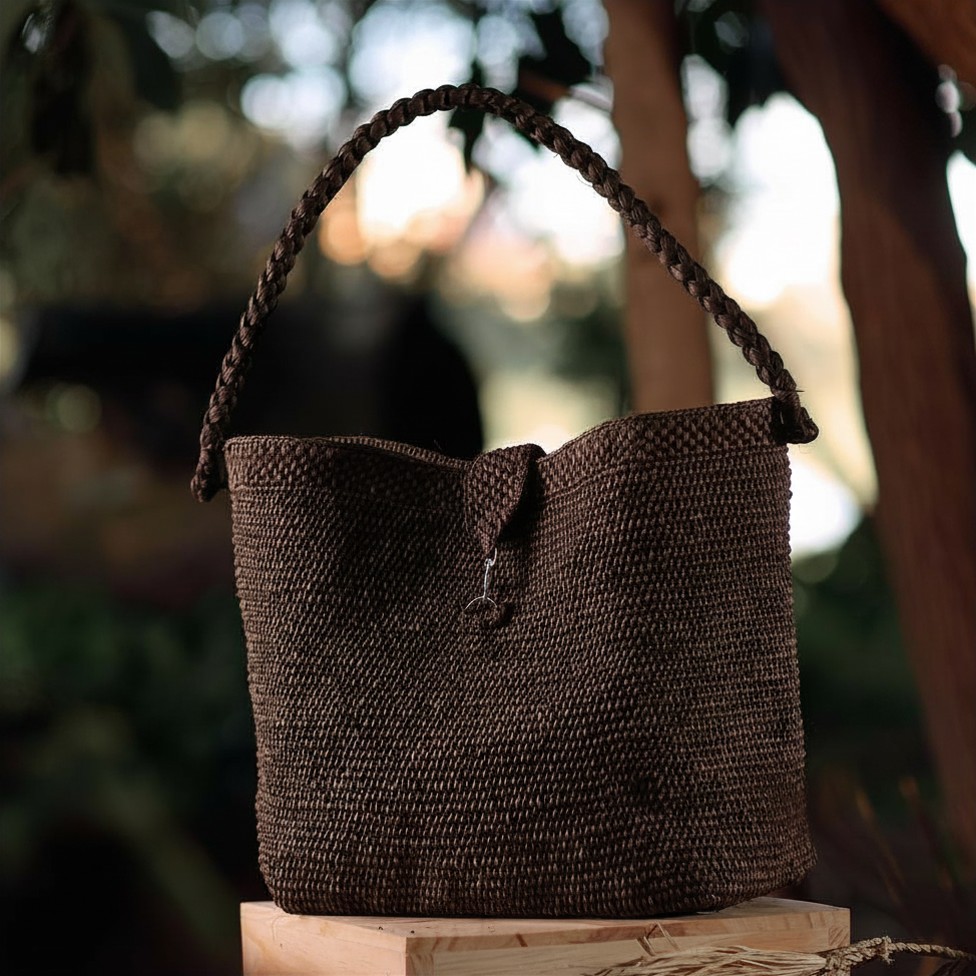
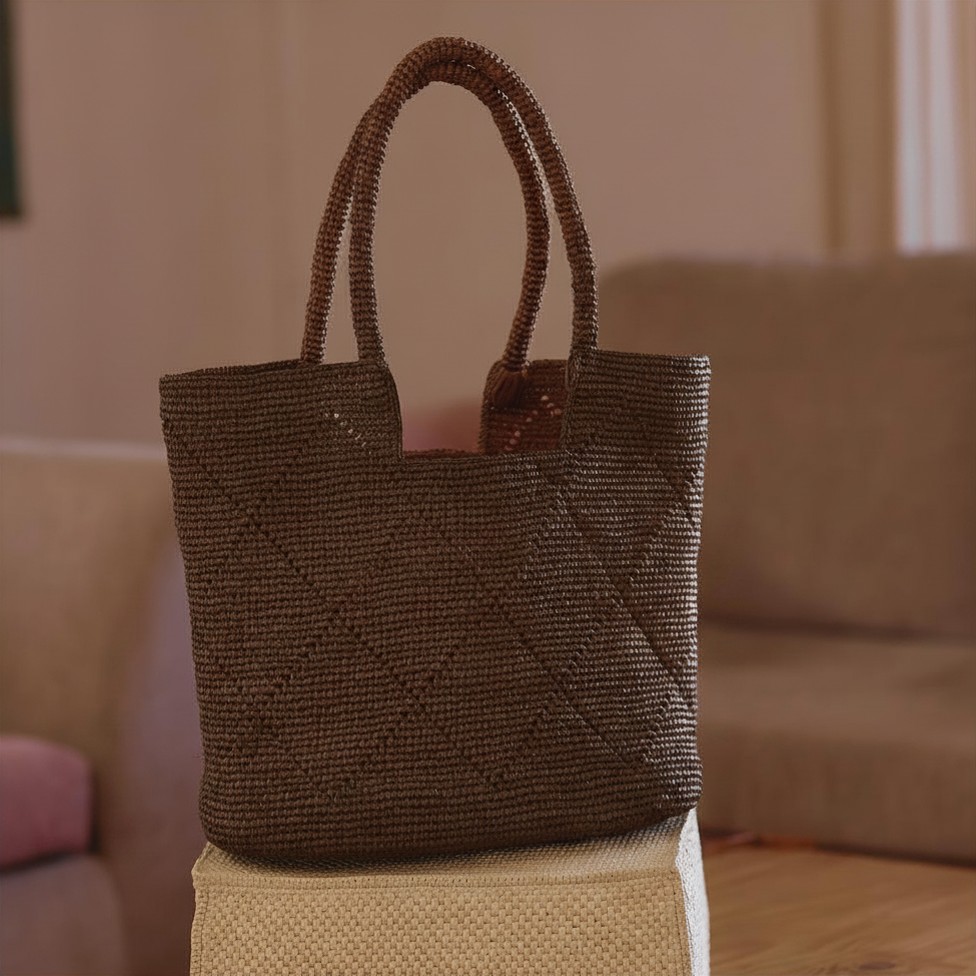
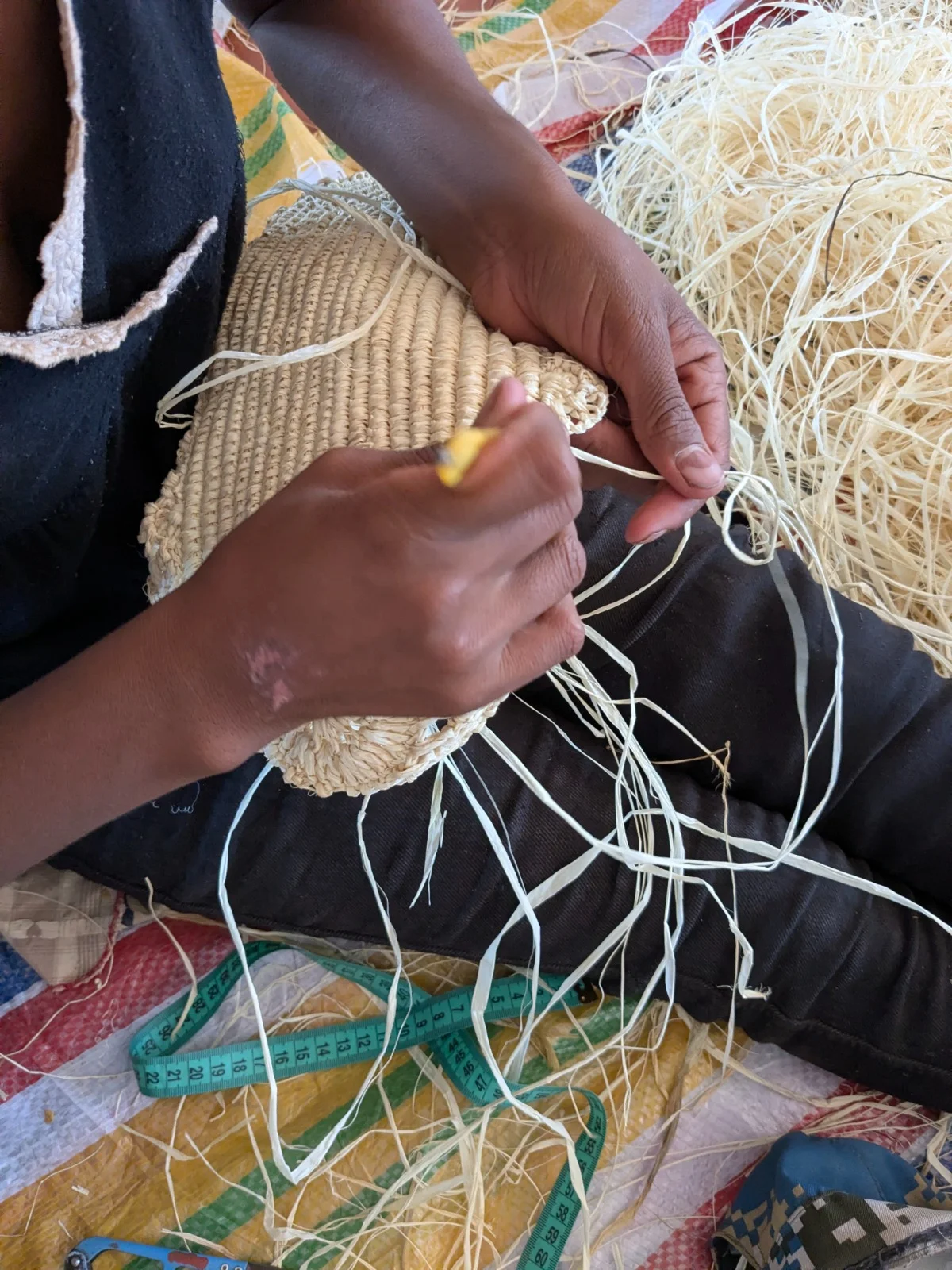
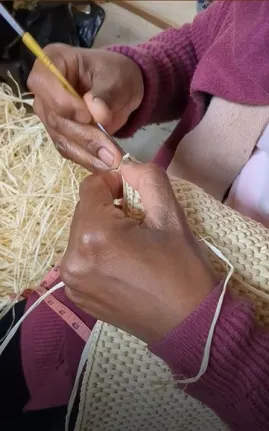
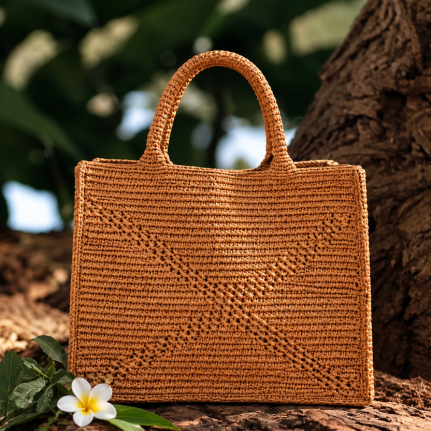
Malagasy craftsmanship fascinates with its richness, authenticity and deep connection to nature. Behind every raffia bag, woven basket or handmade accessory lies a human story, ancestral expertise and a delicate balance between tradition and modernity.
But when we speak of fair trade, an essential question arises: what is the reality of fair trade in Malagasy craftsmanship today?
At BLESSED, this question is not theoretical. It lies at the heart of every decision, every collaboration and every creation.
Malagasy craftsmanship: a living heritage
In Madagascar, craftsmanship is not merely an economic activity. It is a cultural heritage deeply rooted in daily life.
Expertise passed down through generations
the work of raffia, rabane and other natural plant fibers is passed down within families and communities. The gestures are precise, mastered and patiently repeated.
Each technique — weaving, crochet, assembly — is the result of decades, sometimes centuries, of experience.
An intimate relationship with nature
The plant fibers used in Malagasy craftsmanship come from local resources. Their transformation requires a refined understanding of the material:
. when to harvest,
. how to dry,
. how to work the fiber without altering its integrity.
This craftsmanship relies on a subtle balance between people and their environment. Raffia as intangible heritage: should it be protected? Raffia and textile sovereignty: a strategic issue for producing countries
Fair trade: what are we really talking about?
Fair trade goes far beyond a label or a marketing argument. It is based on several fundamental principles:
. fair remuneration for artisans,
. decent working conditions,
. sustainable commercial relationships,
. respect for artisanal production rhythms,
. transparency throughout the production chain.
In reality, these principles can be difficult to implement, particularly in fragile economic contexts.
The realities and challenges of fair trade in Madagascar
Strong price pressure
The international market often imposes low prices, pushing some actors to cut costs at the expense of artisans:
. underpayment,
. accelerated production,
. loss of quality,
. excessive standardisation.
The invisibility of artisans
In many cases, the artisan disappears behind the product. The final consumer does not know:
. who made the accessory,
. under what conditions,
. with what real impact.
This disconnection weakens the human value of craftsmanship.
BLESSED: a committed approach to fair trade
At BLESSED, fair trade is not an abstract concept. It takes concrete form in the way the brand works with Malagasy artisans.
Human and long-term partnerships
BLESSED prioritises:
. long-term collaborations,
. human-scale production,
. ongoing dialogue with artisans.
The goal is not to produce more, but to produce better. This is why partnering with BLESSED represents a genuine strength in the world of raffia craftsmanship.
Fair and transparent remuneration
The price of a BLESSED accessory reflects:
. the actual time spent crafting it,
. the quality of the plant fibers,
. artisanal expertise,
. respectful remuneration.
This transparency helps restore value to handmade work.
Ethical craftsmanship and responsible fashion: an obvious connection
Malagasy craftsmanship naturally aligns with responsible fashion and slow fashion principles.
Producing less, but with meaning
Unlike industrial fashion, craftsmanship prioritises:
. limited series,
. durable pieces,
. non-standardised production.
Each accessory is designed to last, not to follow a fleeting trend.
Valuing natural materials
Raffia and rabane are:
. biodegradable,
. renewable,
. minimally processed.
When used responsibly, these plant fibers have a reduced environmental impact.
The consumer’s role in fair trade
Fair trade cannot exist without a conscious and informed consumer.
Choosing a handcrafted accessory means:
. supporting local employment,
. encouraging the transmission of expertise,
. rejecting anonymous and standardised production,
. giving meaning to one’s purchasing decision.
Each purchase becomes an act of commitment.
Why BLESSED embodies a new vision of Malagasy craftsmanship
BLESSED does not simply sell accessories. The brand tells:
. human stories,
. ancestral gestures,
. a different way of producing and consuming.
By highlighting artisans, respecting materials and valuing handmade work, BLESSED helps redefine fair trade as a relationship built on trust rather than a simple commercial argument.
Conclusion: towards fairer and more sustainable malagasy craftsmanship
Malagasy craftsmanship and fair trade are closely intertwined. But for this relationship to be sincere and sustainable, it must be based on concrete actions, not promises.
By choosing committed brands such as BLESSED, consumers contribute to:
. preserving a living heritage,
. supporting artisan communities,
. promoting more human and responsible fashion.
To consume fairly is to choose another vision of the world —
a vision in which every accessory has an origin, a face and real value.