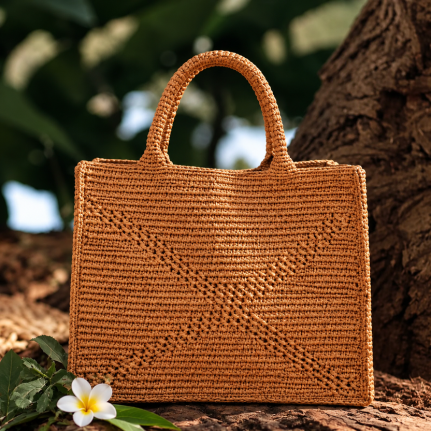
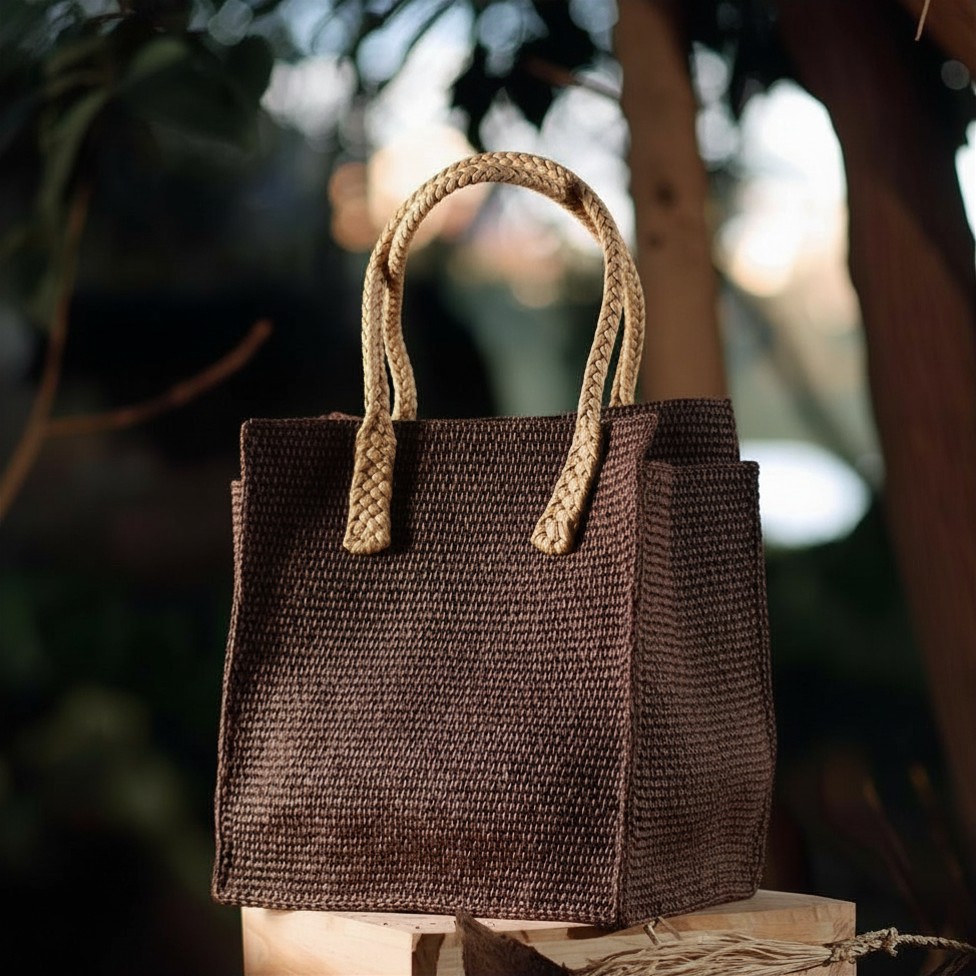
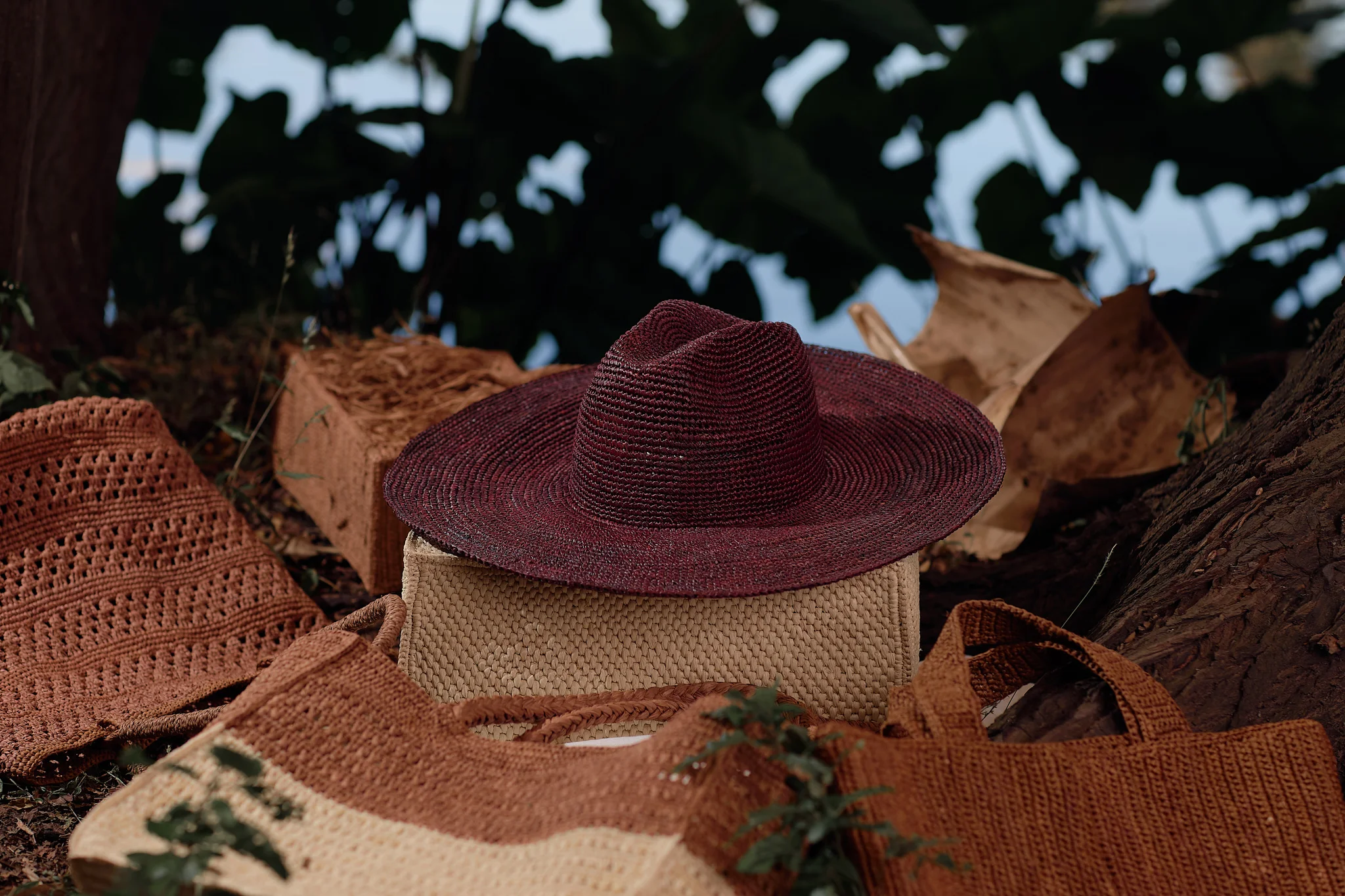
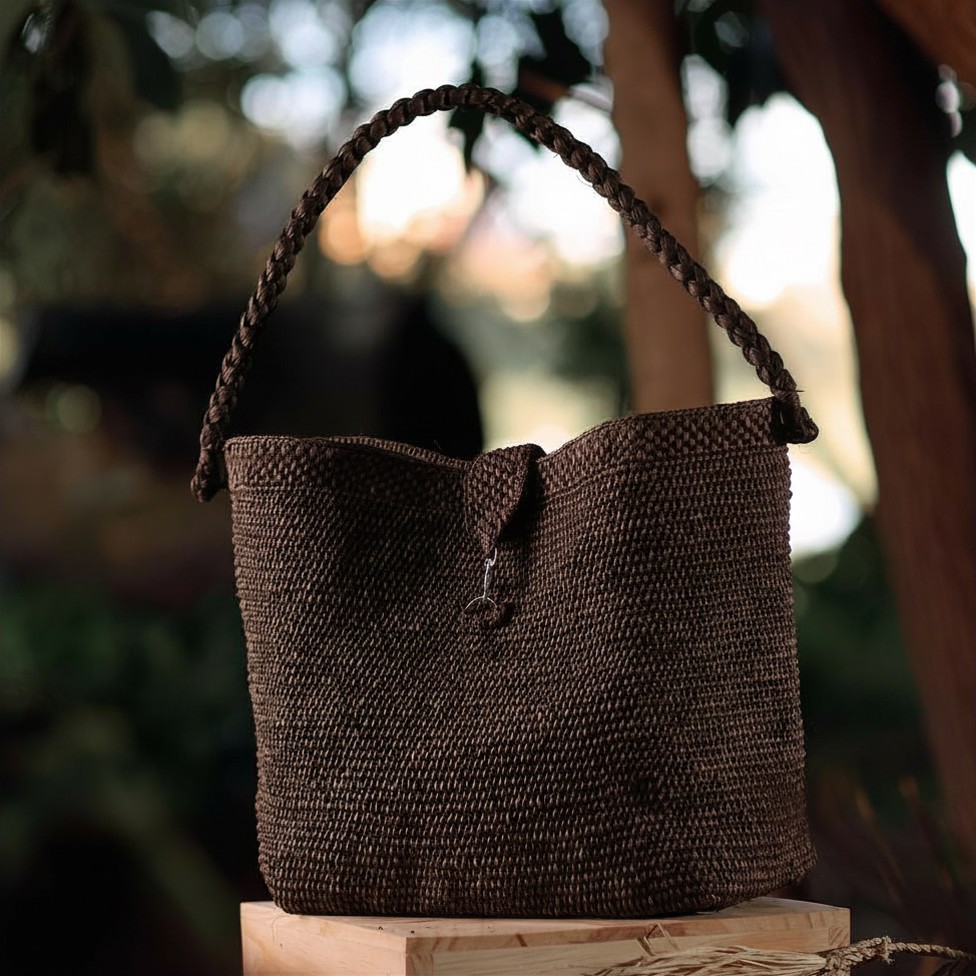
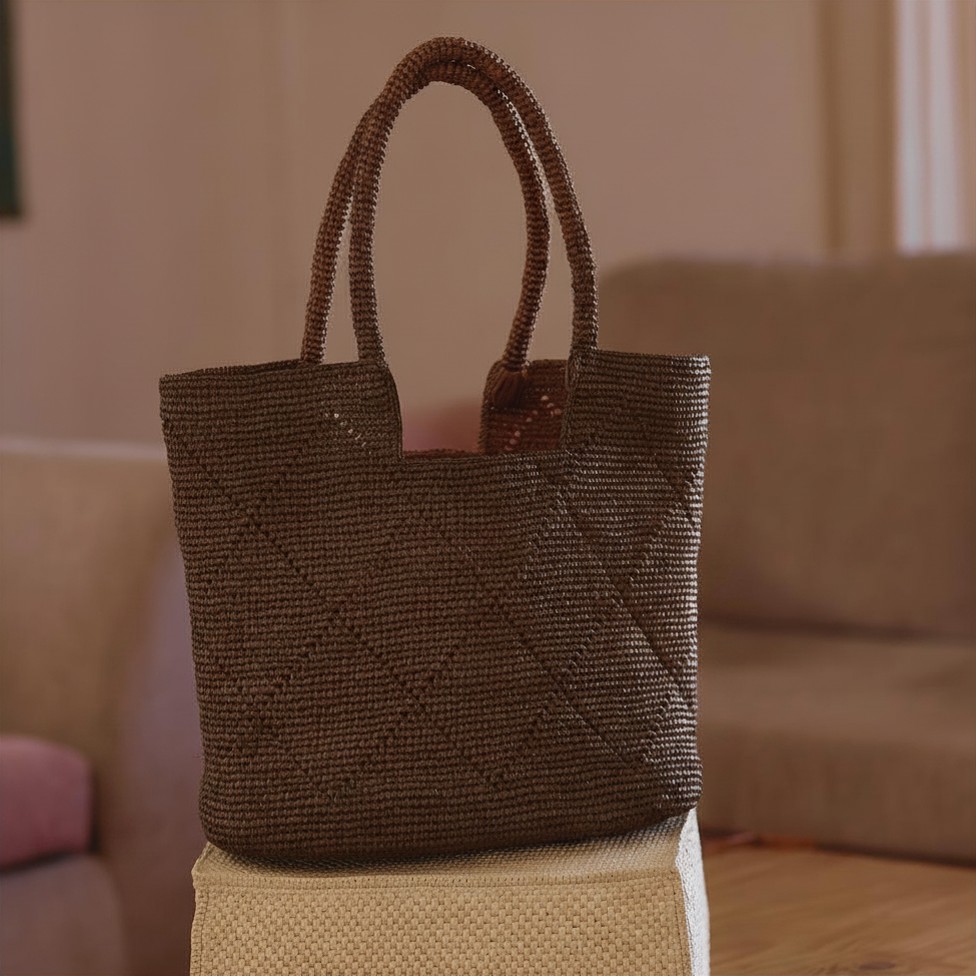
At BLESSED, we see raffia as much more than just a natural fiber: it represents craftsmanship, a unique cultural history and a strong commitment to the environment.
Whether you are a buyer or a reseller, understanding this material is essential to avoiding mistakes that could compromise the quality or value of the product.
Here is a practical guide to mastering best practices for working with raffia and getting the most out of this noble material.
Guide to mastering best practices for raffia
Raffia, a symbol of authentic craftsmanship and traditional expertise, is attracting more and more enthusiasts of interior design, fashion and unique accessories. But buying or reselling a raffia product cannot be improvised: the quality, origin and care taken in each creation make all the difference.
In this guide, we reveal best practices for mastering the art of raffia: how to choose durable and attractive pieces, avoid common mistakes when buying or reselling, and add value to your creations if you are a craftsperson.
Learning to distinguish between natural and synthetic raffia
The first step in buying or reselling raffia is knowing how to recognise genuine raffia. Natural raffia is flexible, slightly shiny, and has a subtle vegetal scent, while synthetic raffia, which is often cheaper, lacks durability and authenticity.
Natural raffia can also vary depending on its origin (Madagascar, Ivory Coast, Philippines), which affects its texture and colour.
At BLESSED, we select only high-quality natural raffia for the creation of unique bags and accessories. Knowing how to identify genuine fiber allows you to recognise craftsmanship and avoid disappointment when purchasing.
Promoting craftsmanship
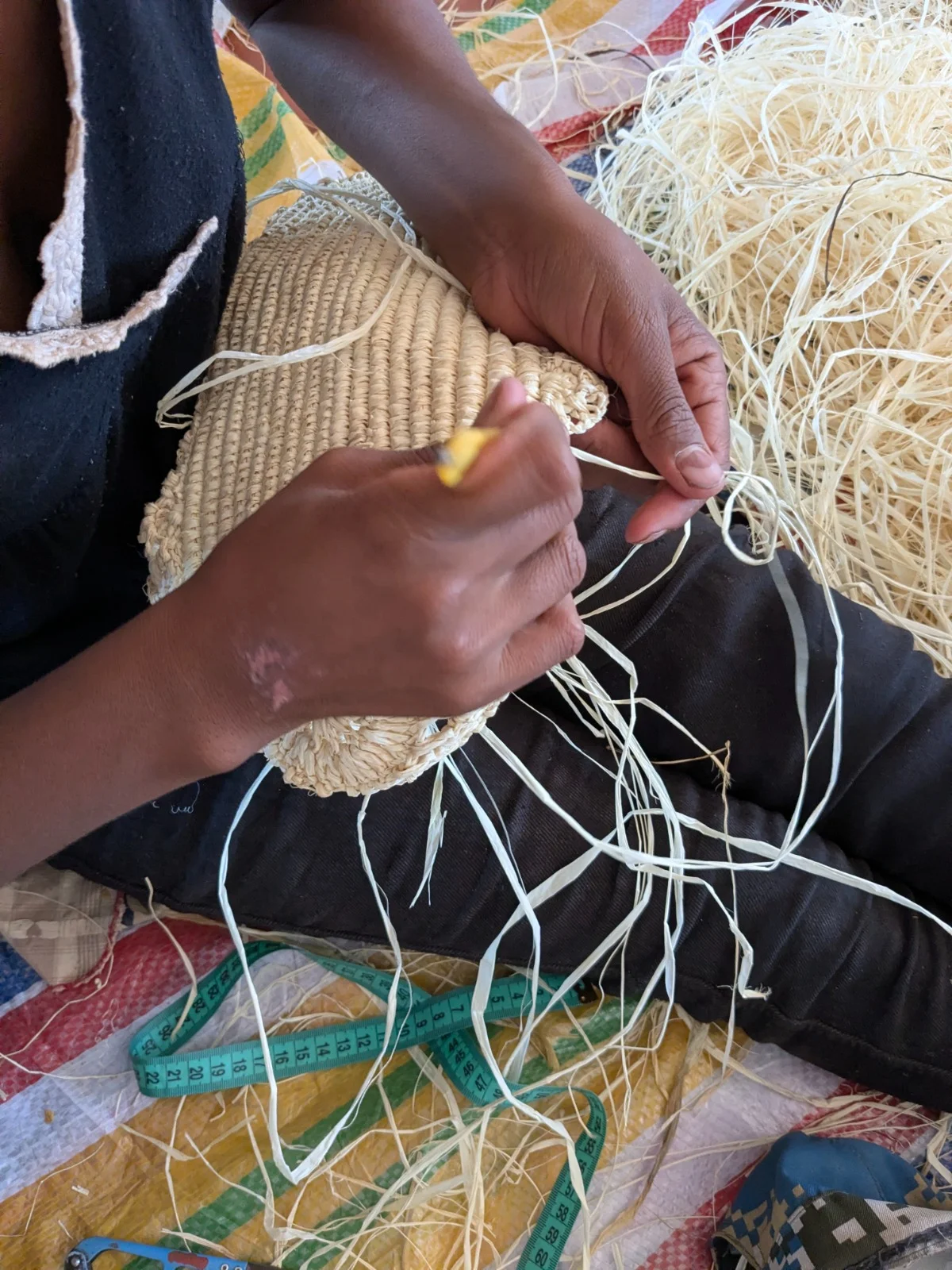
Each raffia creation is not just a simple product: it is the result of several days of manual labour carried out by passionate artisans.
Failing to recognise this value means missing out on the very essence of raffia: its authenticity, finesse and history.
Practical tip: Find out about the origin of each piece and the techniques used. The more you understand the craft process, the better you can promote your products when reselling them.
Maintaining and storing raffia correctly
Despite its robustness, raffia remains sensitive to humidity, sunlight and insects. Inadequate storage can cause its colours to fade or the fiber to become distorted.
A few simple steps are all it takes to prolong the life and shine of your products:
- Store in a dry place away from direct light.
- Clean gently with a soft cloth.
- Avoid chemical insecticides that could damage the fiber.
Taking good care of your items not only preserves their beauty, but also ensures a more attractive and sustainable resale value.
Check the origin and ethical standards of the product
It is important to know where raffia comes from and how it is processed. Some commercial channels do not respect the environment or local artisans.
At BLESSED, we prioritise responsible production: carefully selected fibers, respectful craftsmanship and support for local communities.
Tip: Before purchasing or reselling, always request information about the production chain and the associated social and environmental commitments. This enriches the story of your product and enhances its value in the market.
Knowing how to assess resale value
Reselling raffia products requires a good knowledge of the market and trends. The quality of the fiber, the fineness of the weave, the originality of the design and the story you tell about the product greatly influence its price.
At BLESSED, we offer dedicated spaces for retailers, with exclusive collections and personalised advice to ensure successful resale while maximising customer satisfaction.
Evaluating a raffia product before purchase or resale: opinion of BLESSED RAFFIA
At BLESSED RAFFIA, we understand how buying or reselling a raffia product can be both an emotional and financial investment. Each piece tells a story and represents unique craftsmanship, but not all products are created equal.
Before you begin, it is essential to know how to correctly assess the quality, authenticity, and durability of a raffia product. Whether you are an enthusiast looking for the perfect piece or a retailer wishing to offer reliable and valuable creations, our expertise will guide you step by step to make the right choices and avoid unpleasant surprises.
-> With that said, we invite you to find out more through these articles:
Conclusion
Buying or reselling raffia means, above all, honouring a heritage of craftsmanship and supporting skilled artisans.
Every BLESSED bag or accessory tells a story: one of fine materials, authentic craftsmanship and a sustainable approach.
By avoiding these five mistakes, you are contributing to ethical, responsible and prosperous trade, and allowing raffia to reveal its full beauty and potential.