At a time when industrial fashion is increasingly criticised for its high ecological footprint, handmade accessories are emerging as a credible, sustainable and human alternative.
But what is the real environmental impact of artisanal accessories? Are they always more eco-friendly than mass-produced items?
Understanding their life cycle helps explain why handmade products lie at the heart of more responsible fashion.
Handmade accessories vs industrial production
Low-carbon production
Unlike industrial accessories, which are mass-produced and often manufactured offshore, handmade accessories rely on:
This significantly reduces emissions linked to transport, energy use and industrial machinery.
Less overproduction, less waste
Craftsmanship favours limited quantities and thoughtful production. Each piece is made to order or in small batches, avoiding:
- large volumes of unsold stock
- stock destruction
- waste of raw materials
The role of natural materials in environmental impact
Natural and biodegradable fibers
Handmade accessories mainly use natural materials such as:
Discover how can raffia can be used in smart biotextiles?
Raffia and bioplastics: towards alternatives to polluting packaging?
These fibers are biodegradable, renewable and far less polluting than synthetic materials derived from petrochemicals.
Respectful processing of materials
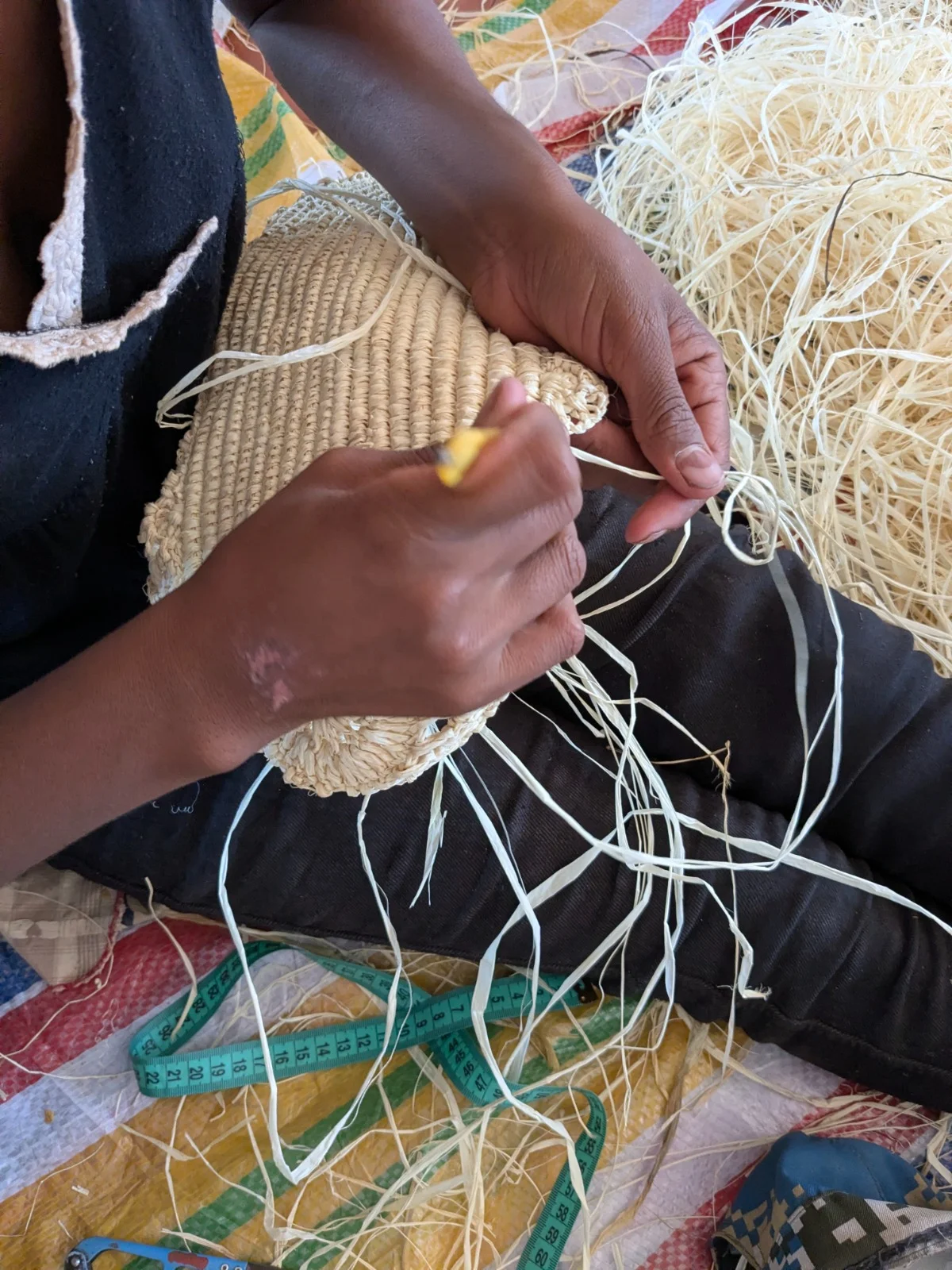
Artisanal techniques preserve the integrity of the fiber:
- little or no chemical treatment
- traditional dyes or gentle colouring
- manual drying and weaving
Discover, for example:
–DIY: Turn your old raffia bag into a trendy accessory
– Home décor ideas with raffia accessories
This helps limit water and soil pollution.
A longer and more responsible life cycle
Accessories designed to last
A handmade accessory is designed to be strong and durable. The time dedicated to each piece ensures:
- higher-quality finishes
- increased resistance to wear
- potential for repair
A product that lasts is a product that pollutes less. Learn more about raffia through this article:The different types of raffia and their uses
Repair rather than discard
Unlike industrial accessories that are often disposable, handcrafted creations can be:
- repaired
- adjusted
- maintained
This approach extends their lifespan and reduces waste.
Craftsmanship as a socially and environmentally positive model
Valuing human labour
Environmental impact is not limited to ecology alone. Handmade accessories promote:
- local employment
- transmission of skills
- economic autonomy for artisans
At BLESSED, craftsmanship is a powerful driver of women’s empowerment in Madagascar.
A more human and fair economy
Far removed from mass exploitation, craftsmanship is based on:
- fair wages
- dignified working conditions
- recognition of artisanal skill
Responsible fashion is also ethical fashion.
The limits and realities of handmade accessories
The myth of “100% eco-friendly”
even handmade accessories have an impact:
- export-related transport
- water consumption
- fiber dyeing
However, their footprint remains significantly lower than that of industrial production.
Consuming less, but better
The goal is not to consume more artisanal accessories, but to:
- choose durable pieces
- invest in quality
- support committed brands
See this article: How to choose quality products?
Why choose handmade accessories today?
Choosing handmade accessories means:
- reducing your environmental impact
- supporting craftsmanship and local communities
- embracing more conscious and sustainable fashion
It is a simple act, but one full of meaning.
BLESSED’s commitment to responsible fashion
At BLESSED, every accessory is the result of a respectful process:
- carefully selected natural materials
- small-scale artisanal production
- quality control and durability
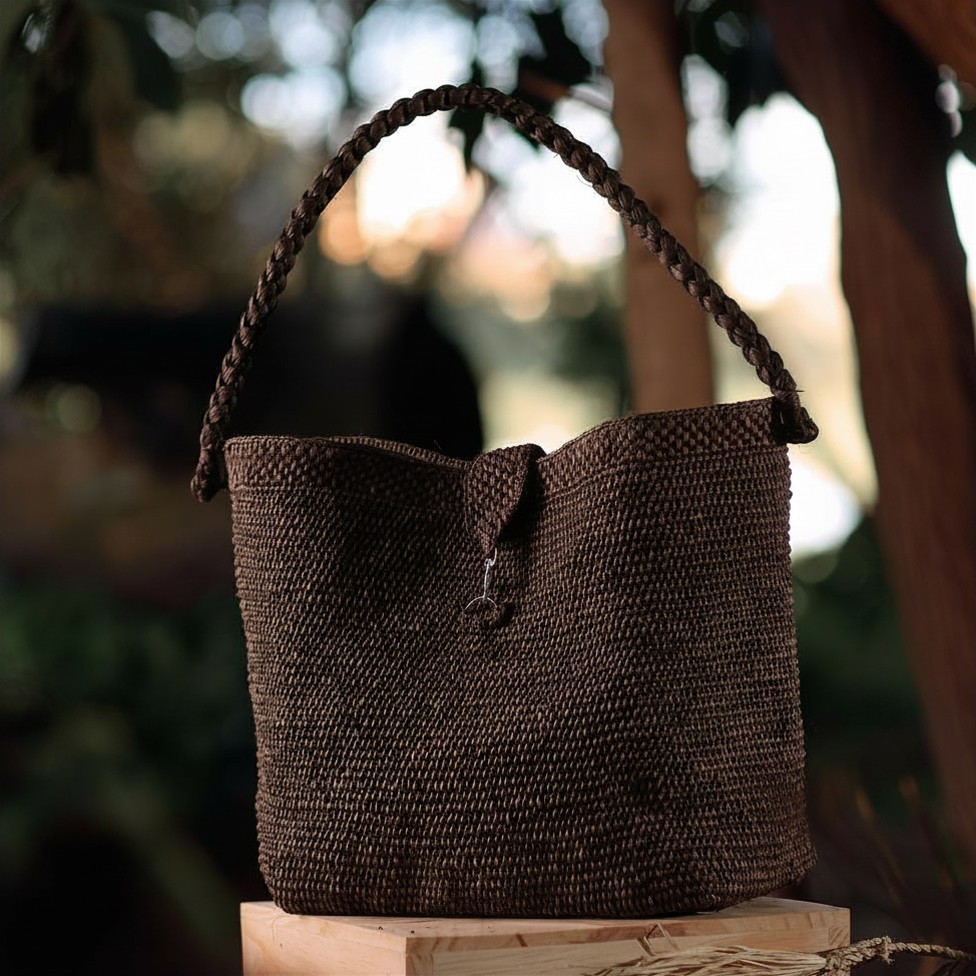
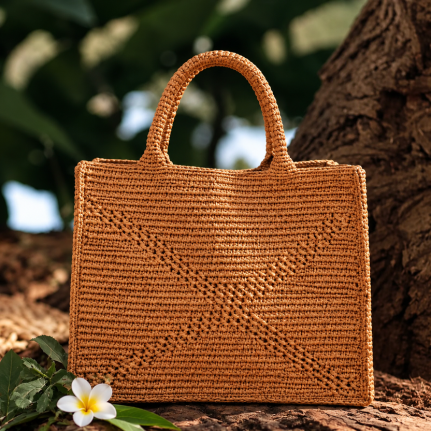
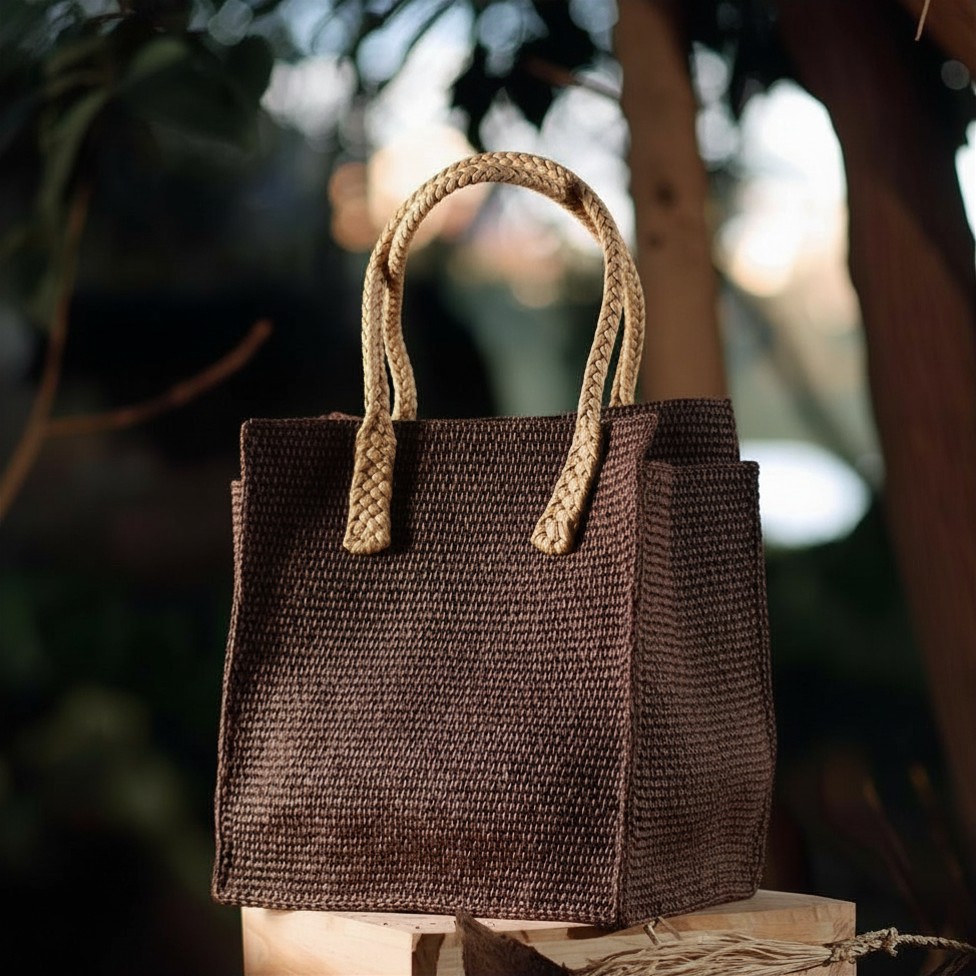
Our creations tell a story : one of nature, craftsmanship and humanity. This is why our raffia bags become essential companions for your everyday adventures.
Conclusion
Handmade accessories offer a concrete response to the environmental challenges facing contemporary fashion.
By prioritising natural materials, artisanal know-how and thoughtful production, they contribute to building a fashion industry that is more sustainable, more ethical and more respectful of the planet.
Choosing handmade means choosing fashion that truly makes sense, today and for the future.